
'%3e%3cpath%20d='M12.0979%2019.9987C10.6974%2019.9987%209.29703%2019.4657%208.2309%2018.3995L1.60176%2011.7704C0.568828%2010.7375%200%209.36414%200%207.9034C0%206.44262%200.568828%205.06934%201.6018%204.03641C2.51562%203.12254%204.00258%203.12262%204.91633%204.03637L7.12605%206.2461C8.03988%207.15992%208.03988%208.6468%207.12605%209.56067C6.97848%209.70821%206.89723%209.90442%206.89723%2010.1131C6.89723%2010.3218%206.97848%2010.5179%207.12602%2010.6655L9.33574%2012.8752C9.48328%2013.0228%209.67949%2013.1041%209.88816%2013.1041C10.0969%2013.1041%2010.293%2013.0228%2010.4406%2012.8753C11.3545%2011.9614%2012.8414%2011.9614%2013.7552%2012.8753L15.9649%2015.085C16.8787%2015.9988%2016.8787%2017.4857%2015.9649%2018.3995C14.8987%2019.4657%2013.4983%2019.9987%2012.0979%2019.9987ZM3.25906%204.91281C3.05898%204.91281%202.85895%204.98895%202.7066%205.14129C1.96883%205.87906%201.5625%206.86%201.5625%207.9034C1.5625%208.9468%201.96883%209.92774%202.7066%2010.6655L9.33574%2017.2947C10.8587%2018.8177%2013.337%2018.8177%2014.86%2017.2947C15.1646%2016.99%2015.1646%2016.4944%2014.86%2016.1898L12.6503%2013.9801C12.5028%2013.8325%2012.3066%2013.7513%2012.0979%2013.7513C11.8892%2013.7513%2011.693%2013.8325%2011.5455%2013.98C10.6316%2014.8939%209.14473%2014.8939%208.23086%2013.98L6.02117%2011.7703C5.57852%2011.3277%205.33473%2010.7391%205.33473%2010.113C5.33473%209.48703%205.57852%208.89844%206.02117%208.45578C6.16875%208.30824%206.25%208.11203%206.25%207.90336C6.25%207.69469%206.16875%207.49852%206.02117%207.35094L3.81148%205.14121C3.65918%204.98899%203.4591%204.91281%203.25906%204.91281Z'%20fill='black'/%3e%3cpath%20d='M9.5448%209.3168C9.25285%209.1959%209.0625%208.91102%209.0625%208.59504V0.782539C9.0625%200.351055%209.41227%200.00128937%209.84375%200.00128937H19.2188C19.6502%200.00128937%2020%200.351055%2020%200.782539V7.03254C20%207.46402%2019.6502%207.81379%2019.2188%207.81379H11.7298L10.3962%209.14746C10.1728%209.3709%209.83676%209.43773%209.5448%209.3168ZM10.625%201.56379V6.70895L10.8538%206.48012C11.0003%206.33359%2011.199%206.25129%2011.4062%206.25129H18.4375V1.56379H10.625Z'%20fill='black'/%3e%3cpath%20d='M12.9688%204.68879C13.4002%204.68879%2013.75%204.33901%2013.75%203.90754C13.75%203.47607%2013.4002%203.12629%2012.9688%203.12629C12.5373%203.12629%2012.1875%203.47607%2012.1875%203.90754C12.1875%204.33901%2012.5373%204.68879%2012.9688%204.68879Z'%20fill='black'/%3e%3cpath%20d='M16.0938%204.68879C16.5252%204.68879%2016.875%204.33901%2016.875%203.90754C16.875%203.47607%2016.5252%203.12629%2016.0938%203.12629C15.6623%203.12629%2015.3125%203.47607%2015.3125%203.90754C15.3125%204.33901%2015.6623%204.68879%2016.0938%204.68879Z'%20fill='black'/%3e%3c/g%3e%3cdefs%3e%3cclipPath%20id='clip0_6353_9'%3e%3crect%20width='20'%20height='20'%20fill='white'/%3e%3c/clipPath%3e%3c/defs%3e%3c/svg%3e)
'%3e%3cpath%20d='M10%2020C13.8389%2020%2017.0312%2018.3836%2017.0312%2016.0938C17.0312%2015.4405%2016.7592%2014.8022%2016.2444%2014.2478C15.9508%2013.9316%2015.4565%2013.9132%2015.1403%2014.2068C14.8241%2014.5004%2014.8058%2014.9947%2015.0994%2015.3109C15.3444%2015.5749%2015.4687%2015.8383%2015.4687%2016.0938C15.4687%2017.2001%2013.13%2018.4375%209.99996%2018.4375C6.86996%2018.4375%204.53121%2017.2001%204.53121%2016.0938C4.53121%2015.8382%204.65547%2015.5749%204.90055%2015.3109C5.19414%2014.9947%205.17582%2014.5004%204.85965%2014.2068C4.54348%2013.9133%204.04914%2013.9316%203.75555%2014.2477C3.24082%2014.8021%202.96875%2015.4405%202.96875%2016.0938C2.96875%2018.3803%206.15578%2020%2010%2020Z'%20fill='black'/%3e%3cpath%20d='M8.13172%2015.9465C8.57285%2016.5282%209.27023%2016.875%2010%2016.875C10.7298%2016.875%2011.4271%2016.5282%2011.8683%2015.9466L15.6293%2011.2402C16.5465%2010.0163%2017.0312%208.5609%2017.0312%207.03125C17.0312%203.15422%2013.877%200%2010%200C6.12297%200%202.96875%203.15422%202.96875%207.03125C2.96875%208.56094%203.45352%2010.0164%204.37063%2011.2402L8.13172%2015.9465ZM10%201.5625C13.0155%201.5625%2015.4688%204.01578%2015.4688%207.03125C15.4688%208.21648%2015.0944%209.34434%2014.386%2010.2938C14.386%2010.2938%2010.6309%2014.9924%2010.626%2014.9989C10.4766%2015.1982%2010.2484%2015.3125%2010%2015.3125C9.75156%2015.3125%209.5234%2015.1982%209.37402%2014.9989C9.36914%2014.9923%209.36418%2014.9859%209.3591%2014.9796L5.61395%2010.2937C4.90559%209.34434%204.53125%208.21652%204.53125%207.03125C4.53125%204.01578%206.98453%201.5625%2010%201.5625Z'%20fill='black'/%3e%3cpath%20d='M10%2010.9375C12.1539%2010.9375%2013.9062%209.18516%2013.9062%207.03125C13.9062%204.87734%2012.1539%203.125%2010%203.125C7.84609%203.125%206.09375%204.87734%206.09375%207.03125C6.09375%209.18516%207.84609%2010.9375%2010%2010.9375ZM10%204.6875C11.2923%204.6875%2012.3438%205.73891%2012.3438%207.03125C12.3438%208.32359%2011.2923%209.375%2010%209.375C8.70766%209.375%207.65625%208.32359%207.65625%207.03125C7.65625%205.73891%208.70766%204.6875%2010%204.6875Z'%20fill='black'/%3e%3c/g%3e%3cdefs%3e%3cclipPath%20id='clip0_6353_60'%3e%3crect%20width='20'%20height='20'%20fill='white'/%3e%3c/clipPath%3e%3c/defs%3e%3c/svg%3e)

'%3e%3ccircle%20cx='321'%20cy='321'%20r='276'%20transform='matrix(-1%200%200%201%20481%200)'%20stroke='%23E5DFD3'%20stroke-width='90'/%3e%3c/g%3e%3cdefs%3e%3cclipPath%20id='clip0_6046_3421'%3e%3crect%20width='481'%20height='413'%20fill='white'%20transform='matrix(-1%200%200%201%20481%200)'/%3e%3c/clipPath%3e%3c/defs%3e%3c/svg%3e)
Does Tirzepatide Cause Constipation?
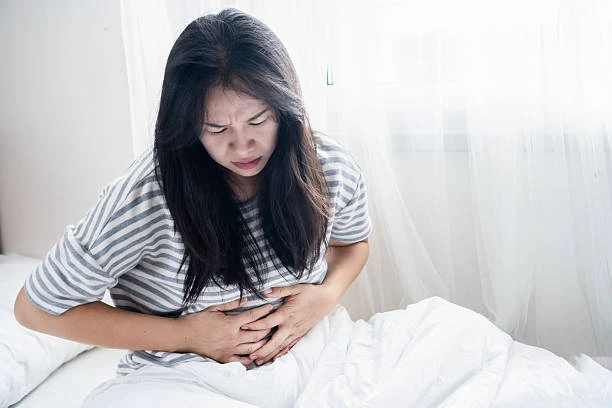
Tirzepatide is a popular choice for medical weight loss and managing metabolism, but many people have questions about its side effects. One common question is “Does tirzepatide cause constipation?”, especially during the first weeks of treatment. Staying informed can help patients stick with their treatment plan while staying at ease. TrimBody M.D often comes up in these discussions as successful outcomes rely on the right dosage, proper guidance, and close medical care.
Key Takeaways:
- Constipation can happen, but it can be handled
- It occurs due to slower digestion
- Drinking water and eating fiber at the right times can help
- Adjusting the dose makes a difference.
- Following medical advice lessens discomfort.
Why Does Tirzepatide Cause Constipation?
To know does tirzepatide causes constipation, you need to see how it works on the digestive system. Tirzepatide triggers GLP-1 and GIP receptors. This slows down stomach emptying and gut movements. When food moves more slowly in your system, the colon takes in more water from waste. This makes stools drier and harder to pass.
The American College of Gastroenterology notes that medications that slow gastric emptying and intestinal motility commonly increase constipation risk, especially during early treatment and dose increases.
Other factors, like a smaller appetite and lower food intake, also play a role. Eating less reduces stool volume, which further slows digestion. These problems are worse when the dosage is increased, as the body is still getting used to the medication.
Most patients find that this adjustment phase gets better over time when they have proper support.
How Common Is Constipation With Tirzepatide?
Constipation happens less compared to nausea and diarrhea, but clinical trials and real-world data still report it. Higher doses and increasing the medication amount make constipation more likely.
Studies in recognized medical journals reveal that constipation caused by GLP-1–based treatments is mild or moderate and tends to improve as patients stay on the medication. Large clinical reviews tracked by the National Institutes of Health explain that digestive side effects are common but often temporary and manageable with basic treatments.
Personal risk is influenced by hydration, how much dietary fiber someone eats, their activity level, and any existing gut-related health problems.
What Early Signs Do Patients Notice?
Constipation from tirzepatide tends to build up over time instead of appearing. People might first observe going to the bathroom less often, stools becoming harder, or feeling bloated. Others might feel full but without pain. Signs that should prompt a doctor visit include:
- Going several days without a bowel movement
- Ongoing abdominal pain or uneasiness
- Struggling to pass stools but producing very little
- Increasing bloating or feeling sick
Catching these issues can stop them from getting worse.
How To Relieve Constipation on Tirzepatide?
Most people can ease constipation by making some specific changes to their daily habits. These adjustments tend to work better if started instead of waiting until the problem gets worse. Some useful tips are:
- Drinking water throughout the day instead of consuming a large amount at once
- adding more fiber to your diet, focusing on sources of soluble fiber
- Light physical activities like walking every day
- Eating meals at the same time to help keep your digestion regular
Magnesium-based supplements or stool softeners might help for short periods, but a healthcare provider should guide their use. Routine use of stimulant laxatives is not recommended.
Tirzepatide Constipation Treatment
When changing habits does not work, people may need a planned tirzepatide constipation treatment. Doctors design treatment plans depending on how severe and long-lasting the symptoms are. Doctors might recommend:
- increasing doses
- Pausing at a certain dose
- Using osmotic stool softeners for a short time
- Managing other digestive issues at the same time
Patients who have loose stools should learn about digestive patterns linked to tirzepatide such as how constipation is different from diarrhea.
The aim is to manage symptoms while keeping metabolic progress on track.
Food Choices to Keep Your Bowels Regular
Diet plays an important part in helping prevent constipation during tirzepatide use. A reduced appetite might lead to eating less fiber, which can make stools harder. Useful nutrition tips include:
- Eating more vegetables, berries, oats, and chia seeds
- Staying away from high-protein, low-fiber diets
- Adding healthy fats to help the stools pass
- Having smaller frequent meals instead of skipping meals
New patients often find it helpful to learn about tirzepatide injections and how their digestion might adjust during treatment.
How Hunger Changes Link to Constipation
Suppressing appetite can contribute to constipation because it reduces the amount and frequency of meals. Some patients also cut back too much on carbs or fiber.
Recognizing hunger signals plays a big role in breaking this cycle. To meet metabolic goals and support digestive health, managing issues tied to constant hunger cues while eating a balanced diet is key.
Eating the right balance of foods helps keep digestion regular without affecting your progress.
The TrimBody M.D. Clinical Method
At TrimBody M.D. clinic, achieving digestive comfort plays a key role in treatment success. Our doctors track symptoms, make precise dosage adjustments, and offer nutrition advice right from the start. With experience treating over 30,000 patients, our team spots patterns and takes action to prevent side effects from interfering with progress. Patients gain from:
- Personalized dose adjustment plans
- Nutrition tips focused on gut health
- Quick action when symptoms appear
- Continuous access to clinicians
- Research-backed side effect solutions
This method ensures steady progress and long-term results.
How This Shapes Your Treatment Experience
Tirzepatide might cause constipation, but it rarely leads to stopping treatment when managed correctly. Understanding does tirzepatide cause constipation helps patients recognize changes early, respond sooner, and continue care with medical guidance.
Staying hydrated, eating well, remaining active, and adjusting doses as needed can help the body adapt and improve bowel movements over time.
Schedule a free consultation to discuss symptoms, dosing, and personalized support with a qualified provider.
Disclaimer: This article is for informational and educational purposes. Treatment decisions are made during an individual medical evaluation with a licensed provider. We provide compounded tirzepatide and are not affiliated with or endorsed by the manufacturers of Zepbound® or Mounjaro®.
FAQs about Tirzepatide and Constipation
How Long Does Constipation Last On Tirzepatide?
Constipation often appears during the first few weeks, especially after dose increases. For most patients, bowel habits improve as the body adapts and dosing stabilizes under medical supervision.
Should I Stop Tirzepatide If Constipation Starts?
No, mild constipation alone is rarely a reason to stop treatment. Early management with hydration, diet adjustments, or dose pacing usually resolves symptoms without interrupting progress.
Does Increasing The Dose Make Constipation Worse?
Dose increases can temporarily worsen constipation because digestion slows further. This effect is typically short-term and improves once the body adjusts to the new dose level.
What Is The Best Time To Address Constipation Symptoms?
The best time is as soon as changes appear. Early action prevents symptoms from becoming persistent and reduces the need for medications or treatment interruptions.
Can Constipation Mean Tirzepatide Is Not Right For Me?
Not usually. Constipation is a known, manageable side effect and does not predict poor results or intolerance when addressed with proper medical guidance.
Let our team know how we can help with your goals!

Get In Touch With Us
Schedule Your Free Consultation — Take Your First Step Today
 Henderson
Let our team of Medical Professionals help you achieve your body goals. Contact us Today!