
'%3e%3cpath%20d='M12.0979%2019.9987C10.6974%2019.9987%209.29703%2019.4657%208.2309%2018.3995L1.60176%2011.7704C0.568828%2010.7375%200%209.36414%200%207.9034C0%206.44262%200.568828%205.06934%201.6018%204.03641C2.51562%203.12254%204.00258%203.12262%204.91633%204.03637L7.12605%206.2461C8.03988%207.15992%208.03988%208.6468%207.12605%209.56067C6.97848%209.70821%206.89723%209.90442%206.89723%2010.1131C6.89723%2010.3218%206.97848%2010.5179%207.12602%2010.6655L9.33574%2012.8752C9.48328%2013.0228%209.67949%2013.1041%209.88816%2013.1041C10.0969%2013.1041%2010.293%2013.0228%2010.4406%2012.8753C11.3545%2011.9614%2012.8414%2011.9614%2013.7552%2012.8753L15.9649%2015.085C16.8787%2015.9988%2016.8787%2017.4857%2015.9649%2018.3995C14.8987%2019.4657%2013.4983%2019.9987%2012.0979%2019.9987ZM3.25906%204.91281C3.05898%204.91281%202.85895%204.98895%202.7066%205.14129C1.96883%205.87906%201.5625%206.86%201.5625%207.9034C1.5625%208.9468%201.96883%209.92774%202.7066%2010.6655L9.33574%2017.2947C10.8587%2018.8177%2013.337%2018.8177%2014.86%2017.2947C15.1646%2016.99%2015.1646%2016.4944%2014.86%2016.1898L12.6503%2013.9801C12.5028%2013.8325%2012.3066%2013.7513%2012.0979%2013.7513C11.8892%2013.7513%2011.693%2013.8325%2011.5455%2013.98C10.6316%2014.8939%209.14473%2014.8939%208.23086%2013.98L6.02117%2011.7703C5.57852%2011.3277%205.33473%2010.7391%205.33473%2010.113C5.33473%209.48703%205.57852%208.89844%206.02117%208.45578C6.16875%208.30824%206.25%208.11203%206.25%207.90336C6.25%207.69469%206.16875%207.49852%206.02117%207.35094L3.81148%205.14121C3.65918%204.98899%203.4591%204.91281%203.25906%204.91281Z'%20fill='black'/%3e%3cpath%20d='M9.5448%209.3168C9.25285%209.1959%209.0625%208.91102%209.0625%208.59504V0.782539C9.0625%200.351055%209.41227%200.00128937%209.84375%200.00128937H19.2188C19.6502%200.00128937%2020%200.351055%2020%200.782539V7.03254C20%207.46402%2019.6502%207.81379%2019.2188%207.81379H11.7298L10.3962%209.14746C10.1728%209.3709%209.83676%209.43773%209.5448%209.3168ZM10.625%201.56379V6.70895L10.8538%206.48012C11.0003%206.33359%2011.199%206.25129%2011.4062%206.25129H18.4375V1.56379H10.625Z'%20fill='black'/%3e%3cpath%20d='M12.9688%204.68879C13.4002%204.68879%2013.75%204.33901%2013.75%203.90754C13.75%203.47607%2013.4002%203.12629%2012.9688%203.12629C12.5373%203.12629%2012.1875%203.47607%2012.1875%203.90754C12.1875%204.33901%2012.5373%204.68879%2012.9688%204.68879Z'%20fill='black'/%3e%3cpath%20d='M16.0938%204.68879C16.5252%204.68879%2016.875%204.33901%2016.875%203.90754C16.875%203.47607%2016.5252%203.12629%2016.0938%203.12629C15.6623%203.12629%2015.3125%203.47607%2015.3125%203.90754C15.3125%204.33901%2015.6623%204.68879%2016.0938%204.68879Z'%20fill='black'/%3e%3c/g%3e%3cdefs%3e%3cclipPath%20id='clip0_6353_9'%3e%3crect%20width='20'%20height='20'%20fill='white'/%3e%3c/clipPath%3e%3c/defs%3e%3c/svg%3e)
'%3e%3cpath%20d='M10%2020C13.8389%2020%2017.0312%2018.3836%2017.0312%2016.0938C17.0312%2015.4405%2016.7592%2014.8022%2016.2444%2014.2478C15.9508%2013.9316%2015.4565%2013.9132%2015.1403%2014.2068C14.8241%2014.5004%2014.8058%2014.9947%2015.0994%2015.3109C15.3444%2015.5749%2015.4687%2015.8383%2015.4687%2016.0938C15.4687%2017.2001%2013.13%2018.4375%209.99996%2018.4375C6.86996%2018.4375%204.53121%2017.2001%204.53121%2016.0938C4.53121%2015.8382%204.65547%2015.5749%204.90055%2015.3109C5.19414%2014.9947%205.17582%2014.5004%204.85965%2014.2068C4.54348%2013.9133%204.04914%2013.9316%203.75555%2014.2477C3.24082%2014.8021%202.96875%2015.4405%202.96875%2016.0938C2.96875%2018.3803%206.15578%2020%2010%2020Z'%20fill='black'/%3e%3cpath%20d='M8.13172%2015.9465C8.57285%2016.5282%209.27023%2016.875%2010%2016.875C10.7298%2016.875%2011.4271%2016.5282%2011.8683%2015.9466L15.6293%2011.2402C16.5465%2010.0163%2017.0312%208.5609%2017.0312%207.03125C17.0312%203.15422%2013.877%200%2010%200C6.12297%200%202.96875%203.15422%202.96875%207.03125C2.96875%208.56094%203.45352%2010.0164%204.37063%2011.2402L8.13172%2015.9465ZM10%201.5625C13.0155%201.5625%2015.4688%204.01578%2015.4688%207.03125C15.4688%208.21648%2015.0944%209.34434%2014.386%2010.2938C14.386%2010.2938%2010.6309%2014.9924%2010.626%2014.9989C10.4766%2015.1982%2010.2484%2015.3125%2010%2015.3125C9.75156%2015.3125%209.5234%2015.1982%209.37402%2014.9989C9.36914%2014.9923%209.36418%2014.9859%209.3591%2014.9796L5.61395%2010.2937C4.90559%209.34434%204.53125%208.21652%204.53125%207.03125C4.53125%204.01578%206.98453%201.5625%2010%201.5625Z'%20fill='black'/%3e%3cpath%20d='M10%2010.9375C12.1539%2010.9375%2013.9062%209.18516%2013.9062%207.03125C13.9062%204.87734%2012.1539%203.125%2010%203.125C7.84609%203.125%206.09375%204.87734%206.09375%207.03125C6.09375%209.18516%207.84609%2010.9375%2010%2010.9375ZM10%204.6875C11.2923%204.6875%2012.3438%205.73891%2012.3438%207.03125C12.3438%208.32359%2011.2923%209.375%2010%209.375C8.70766%209.375%207.65625%208.32359%207.65625%207.03125C7.65625%205.73891%208.70766%204.6875%2010%204.6875Z'%20fill='black'/%3e%3c/g%3e%3cdefs%3e%3cclipPath%20id='clip0_6353_60'%3e%3crect%20width='20'%20height='20'%20fill='white'/%3e%3c/clipPath%3e%3c/defs%3e%3c/svg%3e)

'%3e%3ccircle%20cx='321'%20cy='321'%20r='276'%20transform='matrix(-1%200%200%201%20481%200)'%20stroke='%23E5DFD3'%20stroke-width='90'/%3e%3c/g%3e%3cdefs%3e%3cclipPath%20id='clip0_6046_3421'%3e%3crect%20width='481'%20height='413'%20fill='white'%20transform='matrix(-1%200%200%201%20481%200)'/%3e%3c/clipPath%3e%3c/defs%3e%3c/svg%3e)
Zepbound Therapeutic Dose: What’s the Effective Amount?
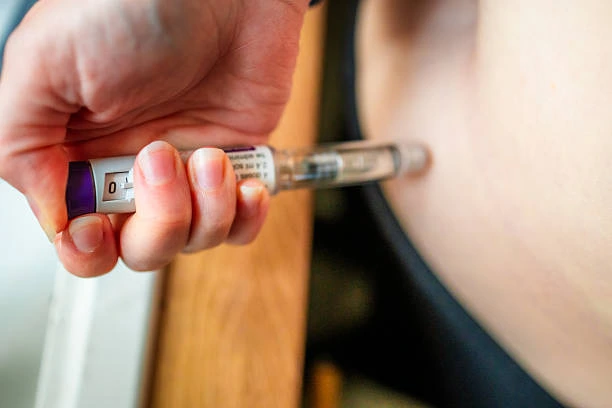
The Zepbound therapeutic dose refers to the medically guided weekly dose range used to manage appetite and support chronic weight management with tirzepatide. At Trim Body M.D., clinicians explain that treatment begins at a lower starting level and increases gradually until a stable maintenance dose produces consistent metabolic results.
This step-based approach helps the body adapt while maintaining safety and long-term treatment effectiveness. Book a medical weight loss consultation at TrimBody M.D. to determine the right Zepbound therapeutic dose for your treatment plan.
Key Takeaways:
- Zepbound therapeutic dose is adjusted gradually under medical supervision
- Weekly injections help maintain stable hormone activity
- Providers increase doses slowly to improve tolerance
- Maintenance dose depends on response and clinical evaluation
- Long-term success depends on consistent dosing and monitoring
Zepbound Therapeutic Dose and Its Function
The Zepbound therapeutic dose is the amount of medication that delivers noticeable metabolic benefits while staying safe over time. Tirzepatide triggers hormone pathways that manage appetite and control blood sugar levels.
These hormones play a role in how the body handles food, manages hunger, and signals when you’re full. When the medication reaches its effective range, the brain gets stronger signals of fullness, which can lower how much a person eats.
Tirzepatide is part of a group of drugs that imitate incretin hormones. These hormones help the digestive system and brain work together to balance hunger and energy use.
At the right dosages, this drug interaction slows down how the stomach empties and helps keep appetite signals steady. Food remains in the stomach a bit longer, giving hormones more time to signal that you are full during meals.
This bodily response explains why many patients notice a drop in appetite soon after reaching the correct dosage.
Eli Lilly prescribing guidance states that Zepbound uses a weekly dosing plan. This plan supports gradual dose increases to keep the treatment both effective and safe.
Since the medication works with intricate metabolic processes, doctors focus on adjusting doses instead of prescribing higher levels from the start.
Why Doctors Increase Zepbound Doses
Doctors reach the Zepbound therapeutic dose in the first week of treatment. They use a titration process to raise the medication dose over time.
Treatment often starts with a smaller weekly dose that lasts around four weeks. This time lets doctors check how the body reacts to tirzepatide before they decide to change the dose.
In this period, patients might start noticing changes like less appetite or fewer cravings. But the lower dose helps the body get used to the medication.
Once this initial phase ends, doctors check how well the patient is doing and how their body is handling the treatment. They then increase the dose step by step, making sure to watch for side effects and track metabolic changes each time.
Adjusting the dosage of tirzepatide matters because it has an impact on how the digestive system sends signals. Ramping up the dose too fast can cause stomach issues like nausea or upset stomach.
To minimize these problems while still advancing the treatment, doctors increase the dose after several weeks.
Many patients ask about which dosage gives the best outcome. The Zepbound effective dose guide explains how doctors determine the level where the treatment keeps appetite steady.
The goal is not just to max out the dose. Instead, doctors look for the smallest dose that delivers lasting effects.
Why Maintenance Dosing Matters in Long-Term Care
When patients achieve a steady response, doctors decide on a maintenance dose. This dose keeps appetite in check, supports metabolism, and helps sustain weight loss progress.
Maintenance therapy helps the body stay in a stable metabolic state instead of adapting to changing medication levels.
Some patients might need a moderate dose at this stage. Others could need a higher amount to keep seeing benefits.
Several things affect what the right dose is:
- how the body responds to tirzepatide
- changes in appetite control
- ability to tolerate the medication and any side effects
- progress in losing weight
- assessments made by the doctor during follow-ups
The article on Zepbound maintenance dose shares more about how doctors decide the long-term dose for this treatment.
Maintenance therapy helps patients keep getting metabolic benefits without the need to increase their doses.
Injection Method And How To Do It
Patients receive the Zepbound therapeutic dose once a week through an injection placed just under the skin. This type of injection is not delivered into the muscle.
You can use several spots to inject such as:
- the belly area
- the top part of the thigh
- the upper area of the arm
Changing the spot you use each week lowers the chance of irritation and aids in better absorption.
This under-the-skin approach allows tirzepatide to enter the bloodstream. This slow release helps the medicine remain active throughout the week.
Most people give themselves the injection on the same day each week. This keeps the level of the drug consistent.
If someone misses a dose, doctors advise taking it as soon as possible within a set timeframe. If too much time has gone by, they may suggest skipping the missed dose and continuing with the usual schedule.
This method avoids having two doses taken too together.
Things That Affect the Right Therapeutic Dose
The right Zepbound therapeutic dose is different for everyone since people have unique metabolisms and ways of responding to treatments.
Various biological and lifestyle factors help determine the right dose.
Things like body type, hormone levels, and metabolism speed can change how someone’s body reacts to tirzepatide.
For instance, people who feel fuller with lower doses might not need more, while others could need a slow increase to experience the same effects on metabolism.
Doctors think about tolerance and side effects when they adjust doses for patients. They make choices with the aim to create lasting changes in metabolism, not just quick fixes.
Medical check-ups let doctors look at these factors before making adjustments to treatments. Patients who want a planned treatment option can join tirzepatide injections programs where doctors oversee weight loss guided by medical advice.
Health checks help doctors tweak doses based on how patients react to the treatment.
Side Effects and the Right Dose
Tirzepatide, like other drugs that affect digestive hormones, might cause some stomach-related side effects on. These side effects are temporary.
Some common issues are:
- feeling sick
- minor stomach pain
- trouble going to the bathroom
- less hunger
Most of the time, these problems get better once the body gets used to the medicine.
Steadily adjusting the dosage helps lower these effects. Raising doses gradually gives the digestive system time to adjust before higher amounts are added.
Doctors keep a close watch on symptoms during follow-up visits. They may delay or slow changes to the dose if a patient’s body requires more time to adapt.
Titration aims to find the right balance between getting results and avoiding side effects.
This method ensures patients stay on treatment long enough to see lasting improvements in their metabolism.
How Our Clinics Ensure Safe Zepbound Use
At Trim Body M.D., doctors oversee how doses are given to ensure patients reach an effective Zepbound therapeutic dose. We have worked with over 30,000+ patients to help them manage weight using proven medical methods.
Every treatment starts with a full review of metabolic health, lifestyle habits, and goals for treatment. Doctors then assist patients with a planned dosing process that prioritizes both safety and results.
Patients receive help through a doctor-led approach that offers:
- a complete check of their metabolic health before beginning medication
- careful dose changes based on how their body responds
- regular tracking of hunger levels and metabolism shifts
- medical supervision to handle side effects or reactions
- plans to manage weight over time
This care model helps clinicians find the safest treatment range to support steady weight management over time.
Reaching The Right Zepbound Therapeutic Dose
The Zepbound therapeutic dose helps patients get reliable metabolic support during their treatment. Clinicians adjust the medication and pinpoint a level that works for each patient. This helps them control appetite and keep making progress over time.
This dosing plan helps the body get used to tirzepatide while staying effective. When doctors good nutrition, and regular check-ups work together with this approach, it becomes key to sticking with weight management in the long run.
Schedule a consultation with us today.
Disclaimer: This article is for informational and educational purposes. Treatment decisions are made during an individual medical evaluation with a licensed provider. We provide compounded tirzepatide and are not affiliated with or endorsed by the manufacturers of Zepbound® or Mounjaro®.
FAQs about Zepbound Therapeutic Dose
How Long Does It Take To Reach A Zepbound Therapeutic Dose?
Most patients reach an effective Zepbound therapeutic dose after several weeks of gradual titration. Doctors increase doses step by step to allow the digestive system to adapt while monitoring appetite changes and metabolic response.
Can The Zepbound Therapeutic Dose Be Different For Each Patient?
Yes. The right Zepbound therapeutic dose depends on how the body responds to tirzepatide and how well side effects are tolerated. Doctors adjust dosing based on metabolic response, appetite control, and clinical progress during follow-up visits.
What Happens If The Dose Is Increased Too Quickly?
Rapid dose increases can intensify digestive symptoms such as nausea or stomach discomfort. Gradual titration allows the body to adapt to hormone changes and helps reduce gastrointestinal side effects.
How Do Doctors Decide When To Move To A Maintenance Dose?
Doctors review weight loss progress, appetite control, and medication tolerance during follow-up visits. Once the patient shows consistent response and stable side effects, clinicians maintain the dose that continues delivering metabolic benefits.
Do Patients Always Need The Highest Dose Of Zepbound?
No. The goal is to find the lowest dose that produces stable appetite control and weight management benefits. Some patients maintain strong results at moderate doses without needing higher weekly levels.
Let our team know how we can help with your goals!

Get In Touch With Us
Schedule Your Free Consultation — Take Your First Step Today
 Henderson
Let our team of Medical Professionals help you achieve your body goals. Contact us Today!