
'%3e%3cpath%20d='M12.0979%2019.9987C10.6974%2019.9987%209.29703%2019.4657%208.2309%2018.3995L1.60176%2011.7704C0.568828%2010.7375%200%209.36414%200%207.9034C0%206.44262%200.568828%205.06934%201.6018%204.03641C2.51562%203.12254%204.00258%203.12262%204.91633%204.03637L7.12605%206.2461C8.03988%207.15992%208.03988%208.6468%207.12605%209.56067C6.97848%209.70821%206.89723%209.90442%206.89723%2010.1131C6.89723%2010.3218%206.97848%2010.5179%207.12602%2010.6655L9.33574%2012.8752C9.48328%2013.0228%209.67949%2013.1041%209.88816%2013.1041C10.0969%2013.1041%2010.293%2013.0228%2010.4406%2012.8753C11.3545%2011.9614%2012.8414%2011.9614%2013.7552%2012.8753L15.9649%2015.085C16.8787%2015.9988%2016.8787%2017.4857%2015.9649%2018.3995C14.8987%2019.4657%2013.4983%2019.9987%2012.0979%2019.9987ZM3.25906%204.91281C3.05898%204.91281%202.85895%204.98895%202.7066%205.14129C1.96883%205.87906%201.5625%206.86%201.5625%207.9034C1.5625%208.9468%201.96883%209.92774%202.7066%2010.6655L9.33574%2017.2947C10.8587%2018.8177%2013.337%2018.8177%2014.86%2017.2947C15.1646%2016.99%2015.1646%2016.4944%2014.86%2016.1898L12.6503%2013.9801C12.5028%2013.8325%2012.3066%2013.7513%2012.0979%2013.7513C11.8892%2013.7513%2011.693%2013.8325%2011.5455%2013.98C10.6316%2014.8939%209.14473%2014.8939%208.23086%2013.98L6.02117%2011.7703C5.57852%2011.3277%205.33473%2010.7391%205.33473%2010.113C5.33473%209.48703%205.57852%208.89844%206.02117%208.45578C6.16875%208.30824%206.25%208.11203%206.25%207.90336C6.25%207.69469%206.16875%207.49852%206.02117%207.35094L3.81148%205.14121C3.65918%204.98899%203.4591%204.91281%203.25906%204.91281Z'%20fill='black'/%3e%3cpath%20d='M9.5448%209.3168C9.25285%209.1959%209.0625%208.91102%209.0625%208.59504V0.782539C9.0625%200.351055%209.41227%200.00128937%209.84375%200.00128937H19.2188C19.6502%200.00128937%2020%200.351055%2020%200.782539V7.03254C20%207.46402%2019.6502%207.81379%2019.2188%207.81379H11.7298L10.3962%209.14746C10.1728%209.3709%209.83676%209.43773%209.5448%209.3168ZM10.625%201.56379V6.70895L10.8538%206.48012C11.0003%206.33359%2011.199%206.25129%2011.4062%206.25129H18.4375V1.56379H10.625Z'%20fill='black'/%3e%3cpath%20d='M12.9688%204.68879C13.4002%204.68879%2013.75%204.33901%2013.75%203.90754C13.75%203.47607%2013.4002%203.12629%2012.9688%203.12629C12.5373%203.12629%2012.1875%203.47607%2012.1875%203.90754C12.1875%204.33901%2012.5373%204.68879%2012.9688%204.68879Z'%20fill='black'/%3e%3cpath%20d='M16.0938%204.68879C16.5252%204.68879%2016.875%204.33901%2016.875%203.90754C16.875%203.47607%2016.5252%203.12629%2016.0938%203.12629C15.6623%203.12629%2015.3125%203.47607%2015.3125%203.90754C15.3125%204.33901%2015.6623%204.68879%2016.0938%204.68879Z'%20fill='black'/%3e%3c/g%3e%3cdefs%3e%3cclipPath%20id='clip0_6353_9'%3e%3crect%20width='20'%20height='20'%20fill='white'/%3e%3c/clipPath%3e%3c/defs%3e%3c/svg%3e)
'%3e%3cpath%20d='M10%2020C13.8389%2020%2017.0312%2018.3836%2017.0312%2016.0938C17.0312%2015.4405%2016.7592%2014.8022%2016.2444%2014.2478C15.9508%2013.9316%2015.4565%2013.9132%2015.1403%2014.2068C14.8241%2014.5004%2014.8058%2014.9947%2015.0994%2015.3109C15.3444%2015.5749%2015.4687%2015.8383%2015.4687%2016.0938C15.4687%2017.2001%2013.13%2018.4375%209.99996%2018.4375C6.86996%2018.4375%204.53121%2017.2001%204.53121%2016.0938C4.53121%2015.8382%204.65547%2015.5749%204.90055%2015.3109C5.19414%2014.9947%205.17582%2014.5004%204.85965%2014.2068C4.54348%2013.9133%204.04914%2013.9316%203.75555%2014.2477C3.24082%2014.8021%202.96875%2015.4405%202.96875%2016.0938C2.96875%2018.3803%206.15578%2020%2010%2020Z'%20fill='black'/%3e%3cpath%20d='M8.13172%2015.9465C8.57285%2016.5282%209.27023%2016.875%2010%2016.875C10.7298%2016.875%2011.4271%2016.5282%2011.8683%2015.9466L15.6293%2011.2402C16.5465%2010.0163%2017.0312%208.5609%2017.0312%207.03125C17.0312%203.15422%2013.877%200%2010%200C6.12297%200%202.96875%203.15422%202.96875%207.03125C2.96875%208.56094%203.45352%2010.0164%204.37063%2011.2402L8.13172%2015.9465ZM10%201.5625C13.0155%201.5625%2015.4688%204.01578%2015.4688%207.03125C15.4688%208.21648%2015.0944%209.34434%2014.386%2010.2938C14.386%2010.2938%2010.6309%2014.9924%2010.626%2014.9989C10.4766%2015.1982%2010.2484%2015.3125%2010%2015.3125C9.75156%2015.3125%209.5234%2015.1982%209.37402%2014.9989C9.36914%2014.9923%209.36418%2014.9859%209.3591%2014.9796L5.61395%2010.2937C4.90559%209.34434%204.53125%208.21652%204.53125%207.03125C4.53125%204.01578%206.98453%201.5625%2010%201.5625Z'%20fill='black'/%3e%3cpath%20d='M10%2010.9375C12.1539%2010.9375%2013.9062%209.18516%2013.9062%207.03125C13.9062%204.87734%2012.1539%203.125%2010%203.125C7.84609%203.125%206.09375%204.87734%206.09375%207.03125C6.09375%209.18516%207.84609%2010.9375%2010%2010.9375ZM10%204.6875C11.2923%204.6875%2012.3438%205.73891%2012.3438%207.03125C12.3438%208.32359%2011.2923%209.375%2010%209.375C8.70766%209.375%207.65625%208.32359%207.65625%207.03125C7.65625%205.73891%208.70766%204.6875%2010%204.6875Z'%20fill='black'/%3e%3c/g%3e%3cdefs%3e%3cclipPath%20id='clip0_6353_60'%3e%3crect%20width='20'%20height='20'%20fill='white'/%3e%3c/clipPath%3e%3c/defs%3e%3c/svg%3e)

'%3e%3ccircle%20cx='321'%20cy='321'%20r='276'%20transform='matrix(-1%200%200%201%20481%200)'%20stroke='%23E5DFD3'%20stroke-width='90'/%3e%3c/g%3e%3cdefs%3e%3cclipPath%20id='clip0_6046_3421'%3e%3crect%20width='481'%20height='413'%20fill='white'%20transform='matrix(-1%200%200%201%20481%200)'/%3e%3c/clipPath%3e%3c/defs%3e%3c/svg%3e)
Does Tirzepatide Cause Insomnia?
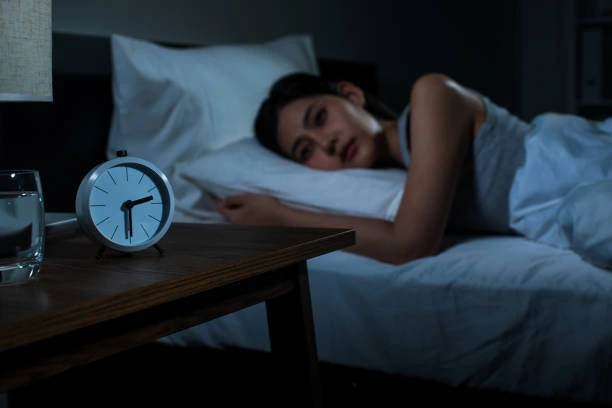
Many people starting weight loss medications worry about changes in their sleep. A frequent question they ask is Does tirzepatide cause insomnia during the first few weeks. While trouble sleeping can feel frustrating, knowing what causes it and how to handle it can make things easier. TrimBody M.D is known for using a doctor-driven approach, clear dosing plans, and consistent patient support during treatments.
Key Takeaways:
- Insomnia is not a common side effect of tirzepatide
- Sleep changes often don’t last long
- Hormonal changes might disrupt sleep habits
- Adjusting doses and timing can help
- Expert advice can improve sleep quality
How Tirzepatide Impacts Sleep Patterns
To figure out if tirzepatide causes insomnia, you need to go beyond whether it sedates or energizes. Tirzepatide does not work like a stimulant. Instead, it has an effect on the metabolic hormones that play a role in circadian rhythms, how the body uses energy, and how the nervous system works.
Fluctuations in blood sugar levels, hormones tied to appetite, and calorie consumption might shift sleep schedules. When inflammation decreases and the body becomes more efficient, some people report feeling more alert. These adjustments can make it harder to fall asleep or disrupt how a person sleeps.
People most often notice sleep changes when they first start tirzepatide or when their dosage increases. This is likely because the body is getting used to changes in hormonal signaling.
Does Tirzepatide Cause Insomnia?
Clinical trials do not list insomnia as a major side effect, though some people mention having sleep troubles. These issues often relate to things like low energy, feeling anxious, or shifts in energy levels instead of actual insomnia.
According to reviews found by the National Institutes of Health, treatments using GLP-1 tend to affect sleep more through how they change metabolism and hormone activity rather than causing sleep problems.
Most users experiencing sleep issues notice things get better in a few weeks when they manage dosing, eating habits, and sleep routines at the same time.
Early Sleep Changes Patients May Notice
Patients often notice sleep shifts that feel more gradual than intense. They might struggle to fall asleep, experience lighter rest, or wake up sooner than expected. These issues show up within the initial weeks.
Patients should talk to a doctor if they face:
- Ongoing insomnia lasting weeks
- Feeling anxious or restless during the night
- Extreme tiredness during the day that affects daily tasks
- Sleep interruptions are getting worse with medication dose increases
Talking to a doctor can stop the need to pause treatment.
How Dose Timing and Energy Shifts Matter
Tirzepatide changes how energy is used in the body across the day. Some people feel more awake during daytime hours, which could change when they sleep if they do not change their habits.
The timing of injections can affect sleep. Taking it in the morning helps sync hormonal effects with daytime energy needs. Taking it at night might lead to increased alertness during sleeping hours for some people.
People feeling more tired than usual may want to learn how tirzepatide affects their energy levels.
Matching the dose schedule with natural daily rhythms can often help with steady sleep patterns.
Tirzepatide’s Link to Anxiety and Sleep
Sometimes anxiety, not insomnia itself, interrupts sleep. Appetite reduction, weight shifts, and being more aware of physical changes can raise mental alertness temporarily.
Studies in sleep medicine show that changes in hormones and metabolism can have an effect on sleep by affecting stress pathways instead of disrupting the structure of sleep. Research explains that hormonal signals might change how people feel about their sleep without changing the actual amount of time they sleep.
People who struggle with racing thoughts or feel restless at night could find it useful to assess their anxiety levels while also looking into their sleep patterns.
Practical Tips to Help Sleep While Using Tirzepatide
Simple changes can often fix sleep troubles. You do not need to switch or add medicines. Here are some useful tips:
- Use injections earlier in the morning
- Keep a regular schedule of sleep and wake times
- Have balanced dinners that include enough protein
- Avoid caffeine after lunchtime
- Steer clear of screens before going to bed
As your body gets used to metabolic shifts, sleep gets better on its own.
When to Seek Medical Help for Sleep Problems
Real insomnia makes it hard to sleep and hinders daily life. If sleep troubles continue past the adaptation period, talking to a doctor becomes important. Doctors might look at:
- How your dose has been increased
- Timing of injections
- Meal timing and daily calorie intake
- Patterns of stress and anxiety
- Other medicines that may disturb sleep
Patients who follow a structured plan for tirzepatide injections often deal with fewer ongoing side effects.
Making early changes helps protect sleep while keeping results effective.
TrimBody M.D.’s Focus on Sleep Health
At TrimBody M.D., we view sleep quality as a crucial aspect of achieving optimal metabolic health. We track how your sleep evolves, adjust medication doses as needed, and share lifestyle tips to improve your body’s natural rhythms. With care given to over 30,000 patients, we spot trends early and address them. Here’s how we support you:
- Personalized advice on when to take your medication
- Observing energy levels and sleep patterns
- Help managing sleep problems caused by anxiety
- Tips on eating habits to improve your sleep at night
- Easy access to your healthcare provider
This method helps patients maintain steady progress while keeping their sleep on track.
What This Means for Your Treatment Plan
Tirzepatide can influence sleep, but persistent insomnia is uncommon when treatment is properly managed. Understanding does tirzepatide cause insomnia helps patients recognize changes early, make simple adjustments, and stay on track with care. As the body adapts and metabolism stabilizes, sleep quality often improves.
If you experience ongoing sleep changes, book a free consultation with us to review symptoms, dosing, and next steps with a medical provider.
Disclaimer: This article is for informational and educational purposes. Treatment decisions are made during an individual medical evaluation with a licensed provider. We provide compounded tirzepatide and are not affiliated with or endorsed by the manufacturers of Zepbound® or Mounjaro®.
FAQs about Tirzepatide and Insomnia
How Long Do Sleep Changes Last On Tirzepatide?
Sleep changes usually appear during early dose adjustments and fade within a few weeks. Most patients notice improvement once dosing stabilizes and daily routines become consistent.
Can Injection Timing Affect Sleep Quality?
Yes. Taking tirzepatide earlier in the day may reduce nighttime alertness. Many patients report better sleep when injections align with daytime activity levels.
Is Insomnia A Sign Tirzepatide Is Not Working?
No. Temporary sleep disruption does not reflect treatment effectiveness. Metabolic benefits often continue even when short-term sleep changes occur.
Should Sleep Problems Be Reported To A Provider?
Yes. Ongoing sleep issues should be discussed promptly. Early adjustments can prevent persistent disruption and avoid unnecessary treatment changes.
Can Tirzepatide Improve Sleep Over Time?
Yes. As metabolic health improves, many patients report more stable energy levels and better sleep quality over time.
Let our team know how we can help with your goals!

Get In Touch With Us
Schedule Your Free Consultation — Take Your First Step Today
 Henderson
Let our team of Medical Professionals help you achieve your body goals. Contact us Today!