
'%3e%3cpath%20d='M12.0979%2019.9987C10.6974%2019.9987%209.29703%2019.4657%208.2309%2018.3995L1.60176%2011.7704C0.568828%2010.7375%200%209.36414%200%207.9034C0%206.44262%200.568828%205.06934%201.6018%204.03641C2.51562%203.12254%204.00258%203.12262%204.91633%204.03637L7.12605%206.2461C8.03988%207.15992%208.03988%208.6468%207.12605%209.56067C6.97848%209.70821%206.89723%209.90442%206.89723%2010.1131C6.89723%2010.3218%206.97848%2010.5179%207.12602%2010.6655L9.33574%2012.8752C9.48328%2013.0228%209.67949%2013.1041%209.88816%2013.1041C10.0969%2013.1041%2010.293%2013.0228%2010.4406%2012.8753C11.3545%2011.9614%2012.8414%2011.9614%2013.7552%2012.8753L15.9649%2015.085C16.8787%2015.9988%2016.8787%2017.4857%2015.9649%2018.3995C14.8987%2019.4657%2013.4983%2019.9987%2012.0979%2019.9987ZM3.25906%204.91281C3.05898%204.91281%202.85895%204.98895%202.7066%205.14129C1.96883%205.87906%201.5625%206.86%201.5625%207.9034C1.5625%208.9468%201.96883%209.92774%202.7066%2010.6655L9.33574%2017.2947C10.8587%2018.8177%2013.337%2018.8177%2014.86%2017.2947C15.1646%2016.99%2015.1646%2016.4944%2014.86%2016.1898L12.6503%2013.9801C12.5028%2013.8325%2012.3066%2013.7513%2012.0979%2013.7513C11.8892%2013.7513%2011.693%2013.8325%2011.5455%2013.98C10.6316%2014.8939%209.14473%2014.8939%208.23086%2013.98L6.02117%2011.7703C5.57852%2011.3277%205.33473%2010.7391%205.33473%2010.113C5.33473%209.48703%205.57852%208.89844%206.02117%208.45578C6.16875%208.30824%206.25%208.11203%206.25%207.90336C6.25%207.69469%206.16875%207.49852%206.02117%207.35094L3.81148%205.14121C3.65918%204.98899%203.4591%204.91281%203.25906%204.91281Z'%20fill='black'/%3e%3cpath%20d='M9.5448%209.3168C9.25285%209.1959%209.0625%208.91102%209.0625%208.59504V0.782539C9.0625%200.351055%209.41227%200.00128937%209.84375%200.00128937H19.2188C19.6502%200.00128937%2020%200.351055%2020%200.782539V7.03254C20%207.46402%2019.6502%207.81379%2019.2188%207.81379H11.7298L10.3962%209.14746C10.1728%209.3709%209.83676%209.43773%209.5448%209.3168ZM10.625%201.56379V6.70895L10.8538%206.48012C11.0003%206.33359%2011.199%206.25129%2011.4062%206.25129H18.4375V1.56379H10.625Z'%20fill='black'/%3e%3cpath%20d='M12.9688%204.68879C13.4002%204.68879%2013.75%204.33901%2013.75%203.90754C13.75%203.47607%2013.4002%203.12629%2012.9688%203.12629C12.5373%203.12629%2012.1875%203.47607%2012.1875%203.90754C12.1875%204.33901%2012.5373%204.68879%2012.9688%204.68879Z'%20fill='black'/%3e%3cpath%20d='M16.0938%204.68879C16.5252%204.68879%2016.875%204.33901%2016.875%203.90754C16.875%203.47607%2016.5252%203.12629%2016.0938%203.12629C15.6623%203.12629%2015.3125%203.47607%2015.3125%203.90754C15.3125%204.33901%2015.6623%204.68879%2016.0938%204.68879Z'%20fill='black'/%3e%3c/g%3e%3cdefs%3e%3cclipPath%20id='clip0_6353_9'%3e%3crect%20width='20'%20height='20'%20fill='white'/%3e%3c/clipPath%3e%3c/defs%3e%3c/svg%3e)
'%3e%3cpath%20d='M10%2020C13.8389%2020%2017.0312%2018.3836%2017.0312%2016.0938C17.0312%2015.4405%2016.7592%2014.8022%2016.2444%2014.2478C15.9508%2013.9316%2015.4565%2013.9132%2015.1403%2014.2068C14.8241%2014.5004%2014.8058%2014.9947%2015.0994%2015.3109C15.3444%2015.5749%2015.4687%2015.8383%2015.4687%2016.0938C15.4687%2017.2001%2013.13%2018.4375%209.99996%2018.4375C6.86996%2018.4375%204.53121%2017.2001%204.53121%2016.0938C4.53121%2015.8382%204.65547%2015.5749%204.90055%2015.3109C5.19414%2014.9947%205.17582%2014.5004%204.85965%2014.2068C4.54348%2013.9133%204.04914%2013.9316%203.75555%2014.2477C3.24082%2014.8021%202.96875%2015.4405%202.96875%2016.0938C2.96875%2018.3803%206.15578%2020%2010%2020Z'%20fill='black'/%3e%3cpath%20d='M8.13172%2015.9465C8.57285%2016.5282%209.27023%2016.875%2010%2016.875C10.7298%2016.875%2011.4271%2016.5282%2011.8683%2015.9466L15.6293%2011.2402C16.5465%2010.0163%2017.0312%208.5609%2017.0312%207.03125C17.0312%203.15422%2013.877%200%2010%200C6.12297%200%202.96875%203.15422%202.96875%207.03125C2.96875%208.56094%203.45352%2010.0164%204.37063%2011.2402L8.13172%2015.9465ZM10%201.5625C13.0155%201.5625%2015.4688%204.01578%2015.4688%207.03125C15.4688%208.21648%2015.0944%209.34434%2014.386%2010.2938C14.386%2010.2938%2010.6309%2014.9924%2010.626%2014.9989C10.4766%2015.1982%2010.2484%2015.3125%2010%2015.3125C9.75156%2015.3125%209.5234%2015.1982%209.37402%2014.9989C9.36914%2014.9923%209.36418%2014.9859%209.3591%2014.9796L5.61395%2010.2937C4.90559%209.34434%204.53125%208.21652%204.53125%207.03125C4.53125%204.01578%206.98453%201.5625%2010%201.5625Z'%20fill='black'/%3e%3cpath%20d='M10%2010.9375C12.1539%2010.9375%2013.9062%209.18516%2013.9062%207.03125C13.9062%204.87734%2012.1539%203.125%2010%203.125C7.84609%203.125%206.09375%204.87734%206.09375%207.03125C6.09375%209.18516%207.84609%2010.9375%2010%2010.9375ZM10%204.6875C11.2923%204.6875%2012.3438%205.73891%2012.3438%207.03125C12.3438%208.32359%2011.2923%209.375%2010%209.375C8.70766%209.375%207.65625%208.32359%207.65625%207.03125C7.65625%205.73891%208.70766%204.6875%2010%204.6875Z'%20fill='black'/%3e%3c/g%3e%3cdefs%3e%3cclipPath%20id='clip0_6353_60'%3e%3crect%20width='20'%20height='20'%20fill='white'/%3e%3c/clipPath%3e%3c/defs%3e%3c/svg%3e)

'%3e%3ccircle%20cx='321'%20cy='321'%20r='276'%20transform='matrix(-1%200%200%201%20481%200)'%20stroke='%23E5DFD3'%20stroke-width='90'/%3e%3c/g%3e%3cdefs%3e%3cclipPath%20id='clip0_6046_3421'%3e%3crect%20width='481'%20height='413'%20fill='white'%20transform='matrix(-1%200%200%201%20481%200)'/%3e%3c/clipPath%3e%3c/defs%3e%3c/svg%3e)
Does Tirzepatide Cause Dry Mouth?
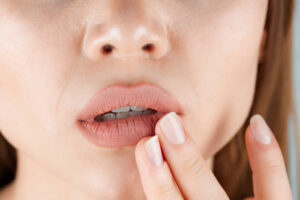
Lots of patients starting treatment often have a key question in mind: Does tirzepatide cause dry mouth? Though a dry mouth might not seem like a big issue, it can affect how comfortable you feel, your hydration levels, and even your daily routines.
Understanding how often it happens and why it comes up can help patients prepare better with realistic expectations. Our team at TrimBody M.D talks about this issue often during the initial treatment stages.
Dry mouth might happen due to how the medication changes appetite, how much water you drink, or how the body signals its automatic functions. Although it’s not labeled as a main side effect, it could show up as part of how your body adjusts.
Learning about the cause and what to do about it can help keep you on track with your treatment and improve your overall health journey. Begin a physician-guided evaluation with us today.
Key Takeaways:
- A dry mouth is not a major side effect.
- Changes in appetite and drinking habits affect it.
- Symptoms start and ease later.
- Drinking more water can help manage it.
- Following medical advice ensures safety and comfort.
Why Do Some People Feel Dry Mouth with Tirzepatide?
Tirzepatide affects how the body controls appetite, digests food, and uses insulin. These effects often make people eat less, which sometimes leads to drinking less, too. Drinking less can lower saliva levels and cause a dry mouth feeling.
Changes in the autonomic nervous system also play a role. Activating GLP-1 and GIP receptors can have an impact on how salivary glands work, though this happens. It does not mean there is harm or anything wrong, but it shows the body is adjusting while rebalancing its metabolic processes.
Dry mouth often shows up more during the first weeks of treatment or when the dosage is being increased. As people settle into their routine and drink more fluids, this issue improves on its own.
Let our team know how we can help with your goals!
Is Dry Mouth Caused by Tirzepatide?
Dry mouth is not listed as one of the main side effects in the official prescribing details. But other effects, like feeling less hungry, slight dehydration, or stomach-related symptoms, might lead to a dry mouth.
The Mayo Clinic’s clinical medication guidance explains that tirzepatide’s common side effects affect the stomach and digestive system. These include feeling nauseous and eating less. People might also notice their mouth feeling dry, which can happen when these effects change how much water they drink.
Doctors have observed that dry mouth caused by this medication tends to be mild and goes away on its own. If it does not, it is important to check for issues like dehydration, problems with electrolytes, or other possible reasons.
How Eating Less and Drinking Less Affects You
Tirzepatide works by suppressing appetite. This effect helps with weight loss, but eating less also means fewer natural reminders to drink water. Many people might not realize how much of their daily hydration used to come from the foods they ate.
As people reduce their calorie intake, they need to focus more on drinking enough water. If they don’t, they might notice a drop in saliva production. This issue can become more noticeable if they’re also cutting back on caffeine or alcohol, both of which can affect how moist their mouth feels.
Patients using tirzepatide injections Torrance often receive advice on staying hydrated as part of a broader weight management plan.
To discuss our services, contact us today!
Digestive Problems and Dry Mouth
Nausea can make dry mouth worse in indirect ways. People feeling queasy might drink less water or stop drinking fluids altogether. Breathing through the mouth due to nausea or reflux can also lead to dryness in the mouth.
To treat both nausea and dryness at the same time, handling the main cause of nausea makes a big difference. Catching nausea helps avoid problems like dehydration and discomfort that can show up later.
Need help deciding? Fill out a contact form,and we’ll ensure you’re informed!
Could Dry Mouth Mean Dehydration?
Yes, it’s possible. If your mouth feels dry all the time, it might mean you are not drinking enough water. Dehydration can also bring signs like tiredness, feeling dizzy, or darker-colored urine. Keeping an eye on hydration is crucial at the start of treatment.
Maintaining electrolyte balance is important. Quick changes in diet can alter sodium and potassium levels. These changes may have an effect on thirst and how much saliva your mouth produces. Doctors often suggest making slow changes instead of sudden ones when adjusting your intake.
If your dry mouth continues after this adjustment period, seeing a doctor is a good idea. It might mean you need a change in your medication dose or extra care.
Signs Dry Mouth Could Mean Something Else
Sometimes dry mouth happens because of other reasons. It could be linked to different medications, sleeping patterns, or health issues like diabetes. Tirzepatide is not always the sole cause.
Patients may feel frustrated and notice issues like dryness when treatment seems to hit a standstill. Re-evaluating the treatment plan often helps figure out the next steps. You can find detailed reasons explaining why tirzepatide might not be effective in our guide. The medical field urges caution before linking symptoms to the medication without proper evidence.
Findings on Tirzepatide’s Side Effects
New studies are improving what we know about tirzepatide and its side effects. Recent research highlights that most side effects reported are related to the stomach and are temporary.
Research after the product hit the market shows that dry mouth doesn’t happen often and is a reason people stop using it. A recent safety review shared in a clinical safety analysis on PubMed looks into overall tolerance trends.
This confirms that when dry mouth does occur, it is mild and goes away.
Steps Patients Can Use
Easy habits might help ease symptoms of dry mouth during treatment. Drinking more water between meals, chewing sugar-free lozenges, and keeping up with regular oral care can make a difference.
Skipping too much caffeine and alcohol can help keep your mouth from getting dry. Some people also find it helpful to set reminders to stay hydrated throughout the day.
Medical professionals give tailored advice based on both symptoms and lab results. This method helps improve comfort and makes treatments more effective.
How TrimBody M.D. Manages Symptoms Step by Step
TrimBody M.D. includes patient comfort as a key part of its metabolic treatments. The clinic reviews dry mouth symptoms by checking hydration, adjusting medication doses, and tracking how well the therapy works. This approach tackles problems quickly and keeps treatments on track. Here’s how patients are supported:
- Tracking symptoms during medication changes
- Offering advice to stay hydrated and eat well
- Adjusting medications when necessary
- Partnering with your primary doctor
- Backed by experience with 30,000+ patients
What It Means for New Tirzepatide Patients
So, does tirzepatide cause dry mouth? Some people do experience it, though it’s indirect and temporary. Changes in hydration during early metabolic shifts explain the dryness rather than the medication causing it. People can manage these symptoms with proper awareness and support, but it hinders progress with treatment. Set up a consultation with our doctor today.
Disclaimer: This article is for informational and educational purposes. Treatment decisions are made during an individual medical evaluation with a licensed provider. We provide compounded tirzepatide and are not affiliated with or endorsed by the manufacturers of Zepbound® or Mounjaro®.
FAQs About Tirzepatide and Dry Mouth
Is Dry Mouth Dangerous While On Tirzepatide
Usually no. Dry mouth is uncomfortable but rarely harmful unless it reflects ongoing dehydration or electrolyte imbalance, which should be assessed by a clinician.
Can Dry Mouth Affect Dental Health During Treatment
Yes. Reduced saliva can increase cavity risk and gum irritation if it persists, making oral hygiene and regular dental care more important during treatment.
Does Dry Mouth Mean My Dose Is Too High
Not always. Dry mouth alone does not indicate overdosing, but persistent symptoms during dose increases should prompt a medication review.
Can Dry Mouth Happen Without Nausea Or Other Side Effects
Yes. Some patients experience dry mouth as an isolated symptom, especially during appetite suppression, even without nausea or digestive issues.
When Should Dry Mouth Be Reported To A Provider
If it lasts longer than several weeks or affects eating, speaking, or sleep. Persistent dryness may signal hydration issues that need medical guidance.
Call and talk to a specialist today! (702) 489-3300
Let our team know how we can help with your goals!

Get In Touch With Us
Schedule Your Free Consultation — Take Your First Step Today
 Henderson
Let our team of Medical Professionals help you achieve your body goals. Contact us Today!