
'%3e%3cpath%20d='M12.0979%2019.9987C10.6974%2019.9987%209.29703%2019.4657%208.2309%2018.3995L1.60176%2011.7704C0.568828%2010.7375%200%209.36414%200%207.9034C0%206.44262%200.568828%205.06934%201.6018%204.03641C2.51562%203.12254%204.00258%203.12262%204.91633%204.03637L7.12605%206.2461C8.03988%207.15992%208.03988%208.6468%207.12605%209.56067C6.97848%209.70821%206.89723%209.90442%206.89723%2010.1131C6.89723%2010.3218%206.97848%2010.5179%207.12602%2010.6655L9.33574%2012.8752C9.48328%2013.0228%209.67949%2013.1041%209.88816%2013.1041C10.0969%2013.1041%2010.293%2013.0228%2010.4406%2012.8753C11.3545%2011.9614%2012.8414%2011.9614%2013.7552%2012.8753L15.9649%2015.085C16.8787%2015.9988%2016.8787%2017.4857%2015.9649%2018.3995C14.8987%2019.4657%2013.4983%2019.9987%2012.0979%2019.9987ZM3.25906%204.91281C3.05898%204.91281%202.85895%204.98895%202.7066%205.14129C1.96883%205.87906%201.5625%206.86%201.5625%207.9034C1.5625%208.9468%201.96883%209.92774%202.7066%2010.6655L9.33574%2017.2947C10.8587%2018.8177%2013.337%2018.8177%2014.86%2017.2947C15.1646%2016.99%2015.1646%2016.4944%2014.86%2016.1898L12.6503%2013.9801C12.5028%2013.8325%2012.3066%2013.7513%2012.0979%2013.7513C11.8892%2013.7513%2011.693%2013.8325%2011.5455%2013.98C10.6316%2014.8939%209.14473%2014.8939%208.23086%2013.98L6.02117%2011.7703C5.57852%2011.3277%205.33473%2010.7391%205.33473%2010.113C5.33473%209.48703%205.57852%208.89844%206.02117%208.45578C6.16875%208.30824%206.25%208.11203%206.25%207.90336C6.25%207.69469%206.16875%207.49852%206.02117%207.35094L3.81148%205.14121C3.65918%204.98899%203.4591%204.91281%203.25906%204.91281Z'%20fill='black'/%3e%3cpath%20d='M9.5448%209.3168C9.25285%209.1959%209.0625%208.91102%209.0625%208.59504V0.782539C9.0625%200.351055%209.41227%200.00128937%209.84375%200.00128937H19.2188C19.6502%200.00128937%2020%200.351055%2020%200.782539V7.03254C20%207.46402%2019.6502%207.81379%2019.2188%207.81379H11.7298L10.3962%209.14746C10.1728%209.3709%209.83676%209.43773%209.5448%209.3168ZM10.625%201.56379V6.70895L10.8538%206.48012C11.0003%206.33359%2011.199%206.25129%2011.4062%206.25129H18.4375V1.56379H10.625Z'%20fill='black'/%3e%3cpath%20d='M12.9688%204.68879C13.4002%204.68879%2013.75%204.33901%2013.75%203.90754C13.75%203.47607%2013.4002%203.12629%2012.9688%203.12629C12.5373%203.12629%2012.1875%203.47607%2012.1875%203.90754C12.1875%204.33901%2012.5373%204.68879%2012.9688%204.68879Z'%20fill='black'/%3e%3cpath%20d='M16.0938%204.68879C16.5252%204.68879%2016.875%204.33901%2016.875%203.90754C16.875%203.47607%2016.5252%203.12629%2016.0938%203.12629C15.6623%203.12629%2015.3125%203.47607%2015.3125%203.90754C15.3125%204.33901%2015.6623%204.68879%2016.0938%204.68879Z'%20fill='black'/%3e%3c/g%3e%3cdefs%3e%3cclipPath%20id='clip0_6353_9'%3e%3crect%20width='20'%20height='20'%20fill='white'/%3e%3c/clipPath%3e%3c/defs%3e%3c/svg%3e)
'%3e%3cpath%20d='M10%2020C13.8389%2020%2017.0312%2018.3836%2017.0312%2016.0938C17.0312%2015.4405%2016.7592%2014.8022%2016.2444%2014.2478C15.9508%2013.9316%2015.4565%2013.9132%2015.1403%2014.2068C14.8241%2014.5004%2014.8058%2014.9947%2015.0994%2015.3109C15.3444%2015.5749%2015.4687%2015.8383%2015.4687%2016.0938C15.4687%2017.2001%2013.13%2018.4375%209.99996%2018.4375C6.86996%2018.4375%204.53121%2017.2001%204.53121%2016.0938C4.53121%2015.8382%204.65547%2015.5749%204.90055%2015.3109C5.19414%2014.9947%205.17582%2014.5004%204.85965%2014.2068C4.54348%2013.9133%204.04914%2013.9316%203.75555%2014.2477C3.24082%2014.8021%202.96875%2015.4405%202.96875%2016.0938C2.96875%2018.3803%206.15578%2020%2010%2020Z'%20fill='black'/%3e%3cpath%20d='M8.13172%2015.9465C8.57285%2016.5282%209.27023%2016.875%2010%2016.875C10.7298%2016.875%2011.4271%2016.5282%2011.8683%2015.9466L15.6293%2011.2402C16.5465%2010.0163%2017.0312%208.5609%2017.0312%207.03125C17.0312%203.15422%2013.877%200%2010%200C6.12297%200%202.96875%203.15422%202.96875%207.03125C2.96875%208.56094%203.45352%2010.0164%204.37063%2011.2402L8.13172%2015.9465ZM10%201.5625C13.0155%201.5625%2015.4688%204.01578%2015.4688%207.03125C15.4688%208.21648%2015.0944%209.34434%2014.386%2010.2938C14.386%2010.2938%2010.6309%2014.9924%2010.626%2014.9989C10.4766%2015.1982%2010.2484%2015.3125%2010%2015.3125C9.75156%2015.3125%209.5234%2015.1982%209.37402%2014.9989C9.36914%2014.9923%209.36418%2014.9859%209.3591%2014.9796L5.61395%2010.2937C4.90559%209.34434%204.53125%208.21652%204.53125%207.03125C4.53125%204.01578%206.98453%201.5625%2010%201.5625Z'%20fill='black'/%3e%3cpath%20d='M10%2010.9375C12.1539%2010.9375%2013.9062%209.18516%2013.9062%207.03125C13.9062%204.87734%2012.1539%203.125%2010%203.125C7.84609%203.125%206.09375%204.87734%206.09375%207.03125C6.09375%209.18516%207.84609%2010.9375%2010%2010.9375ZM10%204.6875C11.2923%204.6875%2012.3438%205.73891%2012.3438%207.03125C12.3438%208.32359%2011.2923%209.375%2010%209.375C8.70766%209.375%207.65625%208.32359%207.65625%207.03125C7.65625%205.73891%208.70766%204.6875%2010%204.6875Z'%20fill='black'/%3e%3c/g%3e%3cdefs%3e%3cclipPath%20id='clip0_6353_60'%3e%3crect%20width='20'%20height='20'%20fill='white'/%3e%3c/clipPath%3e%3c/defs%3e%3c/svg%3e)

'%3e%3ccircle%20cx='321'%20cy='321'%20r='276'%20transform='matrix(-1%200%200%201%20481%200)'%20stroke='%23E5DFD3'%20stroke-width='90'/%3e%3c/g%3e%3cdefs%3e%3cclipPath%20id='clip0_6046_3421'%3e%3crect%20width='481'%20height='413'%20fill='white'%20transform='matrix(-1%200%200%201%20481%200)'/%3e%3c/clipPath%3e%3c/defs%3e%3c/svg%3e)
Can Tirzepatide Cause Blindness?
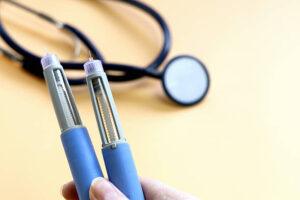
Worrying about vision problems is normal when asking, Can tirzepatide cause blindness, since this medication has effects on blood sugar and metabolism. Many use tirzepatide to help with weight loss and manage their metabolism, so it is important to address concerns about rare but serious side effects with facts.
At TrimBody M.D, our medical team works hard to sort out actual risks from misinformation online. This way, patients can make smart choices based on accurate medical information instead of fear.
Key Takeaways
- No proof exists that tirzepatide leads to blindness.
- Vision issues are caused by blood sugar changes rather than harm to the eyes themselves.
- Pre-existing eye conditions increase the risk more than the medication does.
- Keeping track of vision is crucial for diabetic individuals.
- Regular check-ups help spot warning signs.
Looking Into Vision Worries
Many people link tirzepatide to blindness because of misunderstandings about diabetes-related eye problems, not because of the drug itself. Eye issues like diabetic retinopathy, macular edema, or optic nerve damage happen due to prolonged high blood sugar, not from taking GLP-1 medications.
When blood sugar levels improve, some people may experience short-term changes in their vision. This occurs since the eye’s lens adjusts to shifts in glucose levels, changing how it focuses light. These effects don’t last long and are not a sign of lasting harm.
Tirzepatide helps by boosting how well the body responds to insulin and managing appetite-related hormones. As the body’s metabolism improves, the eyes may readjust. This adjustment might seem worrying at first, but it is not linked to permanent eye damage or loss of sight.
Let our team know how we can help with your goals!
Does Tirzepatide Affect Eyesight?
Available clinical data do not indicate that tirzepatide harms the retina, optic nerve, or visual pathways. Research on GLP-1 medications has shown they do not cause higher rates of blindness compared to standard diabetes treatments.
A large study featured in JAMA Network Open found no link between GLP-1 therapies and a higher risk of vision loss. It even suggests these treatments might reduce long-term risks by improving metabolic health and controlling inflammation. To learn more, check the vision outcomes analysis in JAMA:
The American Academy of Ophthalmology addressed the issue, confirming that GLP-1 drugs do not lead to blindness. They note that changes in vision are more often linked to blood sugar level swings or pre-existing eye conditions.
Why Some People Experience Early Vision Changes
Symptoms affecting vision during tirzepatide use belong to one of three categories:
- Temporary blurry vision while blood sugar levels even out
- Sensitivity to light or feeling dizzy, which is often tied to hydration or shifts in blood pressure
- Visual strain from headaches, which might feel like an eye problem
Many patients wonder if dizziness or feeling lightheaded could be tied to vision troubles. Often, these symptoms overlap due to neurological adjustments, not actual eye damage.
Headaches might make your vision less clear. People who experience both headaches and eye strain may find this explanation about tirzepatide headaches useful.
These symptoms often improve over time as the body adjusts, and when hydration, eating routines, and medication doses normalize.
To discuss our services, contact us today!
Who Needs to Watch Their Vision More?
Though tirzepatide is not responsible for causing blindness, some people should pay closer attention to their eye health:
- Those with diabetic retinopathy
- People with chronic uncontrolled diabetes
- Anyone with existing optic nerve problems
- People are going through sudden and major glucose level changes
Sometimes, changes in vision might show that an underlying disease is becoming clearer as blood sugar levels adjust back to normal. Regular eye check-ups help figure out if the cause is medication-related or due to a condition that already existed.
Need help deciding? Fill out a contact form,and we’ll ensure you’re informed!
How We Make Tirzepatide Use Safe for Patients
At TrimBody M.D, we make sure to focus on medication safety when patients share concerns about their vision or nerve-related symptoms. We work to spot risks even before starting treatment, and track any changes as the body gets used to the medication. Here’s how our patients gain from our approach:
- Health and vision risk checks as a starting point
- changing doses to avoid sudden metabolic reactions
- Watching out for dizziness, headaches, or changes in vision
- Working with primary care doctors or eye specialists, if required
- Explaining when to seek medical care for symptoms
To provide a clear treatment plan, our clinic offers doctor-supervised tirzepatide injections with regular monitoring. This method keeps patients safe while easing unnecessary stress.
What the Studies Actually Say
Recent studies do not show that tirzepatide leads to blindness. Research instead highlights how it improves metabolic health, which can lessen long-term vascular harm, including harm to the eyes.
Tirzepatide may help safeguard vision over time by lowering inflammation, keeping glucose levels steady, and aiding weight loss. This effect relies on proper dosing and regular check-ups, not rushing or using it without oversight.
Patients worried about uncommon side effects should talk to a doctor as soon as symptoms appear instead of stopping the medication on their own.
A Simple Message To Patients
The question can tirzepatide cause blindness is understandable, but current medical evidence does not support this fear. Vision issues linked to tirzepatide happen due to changes in blood sugar and tend to be temporary. They do not indicate any long-term damage to the eyes. With proper care and guidance from a doctor, tirzepatide remains a safe choice for most people.
If you are unsure about changes in vision, side effects, or how to manage your dosage, talk with us before making any adjustments to your treatment.
Disclaimer: This article is for informational and educational purposes. Treatment decisions are made during an individual medical evaluation with a licensed provider. We provide compounded tirzepatide and are not affiliated with or endorsed by the manufacturers of Zepbound® or Mounjaro®.
FAQs about Tirzepatide and Blindness
Can Tirzepatide Permanently Damage Vision?
No evidence shows that tirzepatide causes permanent vision damage. Most reported vision changes are temporary and related to blood sugar shifts, not structural injury to the eyes.
Should I Stop Tirzepatide If My Vision Gets Blurry?
Do not stop medication without medical advice. Blurry vision often resolves as glucose stabilizes, but persistent or worsening symptoms should be evaluated by a clinician.
Are People With Diabetes At Higher Risk For Vision Issues?
Yes, people with existing diabetic eye disease may notice vision changes sooner. This reflects underlying retinal sensitivity rather than a harmful effect of tirzepatide itself.
Can Tirzepatide Worsen Diabetic Retinopathy?
Rapid glucose improvement can temporarily affect retinopathy symptoms. Long-term control usually lowers eye complication risk when treatment is medically supervised.
When Should Vision Symptoms Be Considered Urgent?
Sudden vision loss, severe eye pain, flashing lights, or dark spots need immediate care. These symptoms are not typical side effects and require prompt evaluation.
Call and talk to a specialist today! (702) 489-3300
Let our team know how we can help with your goals!

Get In Touch With Us
Schedule Your Free Consultation — Take Your First Step Today
 Henderson
Let our team of Medical Professionals help you achieve your body goals. Contact us Today!