
'%3e%3cpath%20d='M12.0979%2019.9987C10.6974%2019.9987%209.29703%2019.4657%208.2309%2018.3995L1.60176%2011.7704C0.568828%2010.7375%200%209.36414%200%207.9034C0%206.44262%200.568828%205.06934%201.6018%204.03641C2.51562%203.12254%204.00258%203.12262%204.91633%204.03637L7.12605%206.2461C8.03988%207.15992%208.03988%208.6468%207.12605%209.56067C6.97848%209.70821%206.89723%209.90442%206.89723%2010.1131C6.89723%2010.3218%206.97848%2010.5179%207.12602%2010.6655L9.33574%2012.8752C9.48328%2013.0228%209.67949%2013.1041%209.88816%2013.1041C10.0969%2013.1041%2010.293%2013.0228%2010.4406%2012.8753C11.3545%2011.9614%2012.8414%2011.9614%2013.7552%2012.8753L15.9649%2015.085C16.8787%2015.9988%2016.8787%2017.4857%2015.9649%2018.3995C14.8987%2019.4657%2013.4983%2019.9987%2012.0979%2019.9987ZM3.25906%204.91281C3.05898%204.91281%202.85895%204.98895%202.7066%205.14129C1.96883%205.87906%201.5625%206.86%201.5625%207.9034C1.5625%208.9468%201.96883%209.92774%202.7066%2010.6655L9.33574%2017.2947C10.8587%2018.8177%2013.337%2018.8177%2014.86%2017.2947C15.1646%2016.99%2015.1646%2016.4944%2014.86%2016.1898L12.6503%2013.9801C12.5028%2013.8325%2012.3066%2013.7513%2012.0979%2013.7513C11.8892%2013.7513%2011.693%2013.8325%2011.5455%2013.98C10.6316%2014.8939%209.14473%2014.8939%208.23086%2013.98L6.02117%2011.7703C5.57852%2011.3277%205.33473%2010.7391%205.33473%2010.113C5.33473%209.48703%205.57852%208.89844%206.02117%208.45578C6.16875%208.30824%206.25%208.11203%206.25%207.90336C6.25%207.69469%206.16875%207.49852%206.02117%207.35094L3.81148%205.14121C3.65918%204.98899%203.4591%204.91281%203.25906%204.91281Z'%20fill='black'/%3e%3cpath%20d='M9.5448%209.3168C9.25285%209.1959%209.0625%208.91102%209.0625%208.59504V0.782539C9.0625%200.351055%209.41227%200.00128937%209.84375%200.00128937H19.2188C19.6502%200.00128937%2020%200.351055%2020%200.782539V7.03254C20%207.46402%2019.6502%207.81379%2019.2188%207.81379H11.7298L10.3962%209.14746C10.1728%209.3709%209.83676%209.43773%209.5448%209.3168ZM10.625%201.56379V6.70895L10.8538%206.48012C11.0003%206.33359%2011.199%206.25129%2011.4062%206.25129H18.4375V1.56379H10.625Z'%20fill='black'/%3e%3cpath%20d='M12.9688%204.68879C13.4002%204.68879%2013.75%204.33901%2013.75%203.90754C13.75%203.47607%2013.4002%203.12629%2012.9688%203.12629C12.5373%203.12629%2012.1875%203.47607%2012.1875%203.90754C12.1875%204.33901%2012.5373%204.68879%2012.9688%204.68879Z'%20fill='black'/%3e%3cpath%20d='M16.0938%204.68879C16.5252%204.68879%2016.875%204.33901%2016.875%203.90754C16.875%203.47607%2016.5252%203.12629%2016.0938%203.12629C15.6623%203.12629%2015.3125%203.47607%2015.3125%203.90754C15.3125%204.33901%2015.6623%204.68879%2016.0938%204.68879Z'%20fill='black'/%3e%3c/g%3e%3cdefs%3e%3cclipPath%20id='clip0_6353_9'%3e%3crect%20width='20'%20height='20'%20fill='white'/%3e%3c/clipPath%3e%3c/defs%3e%3c/svg%3e)
'%3e%3cpath%20d='M10%2020C13.8389%2020%2017.0312%2018.3836%2017.0312%2016.0938C17.0312%2015.4405%2016.7592%2014.8022%2016.2444%2014.2478C15.9508%2013.9316%2015.4565%2013.9132%2015.1403%2014.2068C14.8241%2014.5004%2014.8058%2014.9947%2015.0994%2015.3109C15.3444%2015.5749%2015.4687%2015.8383%2015.4687%2016.0938C15.4687%2017.2001%2013.13%2018.4375%209.99996%2018.4375C6.86996%2018.4375%204.53121%2017.2001%204.53121%2016.0938C4.53121%2015.8382%204.65547%2015.5749%204.90055%2015.3109C5.19414%2014.9947%205.17582%2014.5004%204.85965%2014.2068C4.54348%2013.9133%204.04914%2013.9316%203.75555%2014.2477C3.24082%2014.8021%202.96875%2015.4405%202.96875%2016.0938C2.96875%2018.3803%206.15578%2020%2010%2020Z'%20fill='black'/%3e%3cpath%20d='M8.13172%2015.9465C8.57285%2016.5282%209.27023%2016.875%2010%2016.875C10.7298%2016.875%2011.4271%2016.5282%2011.8683%2015.9466L15.6293%2011.2402C16.5465%2010.0163%2017.0312%208.5609%2017.0312%207.03125C17.0312%203.15422%2013.877%200%2010%200C6.12297%200%202.96875%203.15422%202.96875%207.03125C2.96875%208.56094%203.45352%2010.0164%204.37063%2011.2402L8.13172%2015.9465ZM10%201.5625C13.0155%201.5625%2015.4688%204.01578%2015.4688%207.03125C15.4688%208.21648%2015.0944%209.34434%2014.386%2010.2938C14.386%2010.2938%2010.6309%2014.9924%2010.626%2014.9989C10.4766%2015.1982%2010.2484%2015.3125%2010%2015.3125C9.75156%2015.3125%209.5234%2015.1982%209.37402%2014.9989C9.36914%2014.9923%209.36418%2014.9859%209.3591%2014.9796L5.61395%2010.2937C4.90559%209.34434%204.53125%208.21652%204.53125%207.03125C4.53125%204.01578%206.98453%201.5625%2010%201.5625Z'%20fill='black'/%3e%3cpath%20d='M10%2010.9375C12.1539%2010.9375%2013.9062%209.18516%2013.9062%207.03125C13.9062%204.87734%2012.1539%203.125%2010%203.125C7.84609%203.125%206.09375%204.87734%206.09375%207.03125C6.09375%209.18516%207.84609%2010.9375%2010%2010.9375ZM10%204.6875C11.2923%204.6875%2012.3438%205.73891%2012.3438%207.03125C12.3438%208.32359%2011.2923%209.375%2010%209.375C8.70766%209.375%207.65625%208.32359%207.65625%207.03125C7.65625%205.73891%208.70766%204.6875%2010%204.6875Z'%20fill='black'/%3e%3c/g%3e%3cdefs%3e%3cclipPath%20id='clip0_6353_60'%3e%3crect%20width='20'%20height='20'%20fill='white'/%3e%3c/clipPath%3e%3c/defs%3e%3c/svg%3e)

'%3e%3ccircle%20cx='321'%20cy='321'%20r='276'%20transform='matrix(-1%200%200%201%20481%200)'%20stroke='%23E5DFD3'%20stroke-width='90'/%3e%3c/g%3e%3cdefs%3e%3cclipPath%20id='clip0_6046_3421'%3e%3crect%20width='481'%20height='413'%20fill='white'%20transform='matrix(-1%200%200%201%20481%200)'/%3e%3c/clipPath%3e%3c/defs%3e%3c/svg%3e)
Why Am I Gaining Weight On Ozempic?
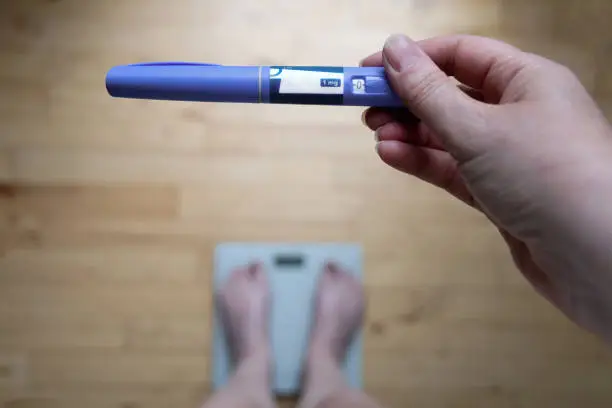
If you’ve started Ozempic and noticed you’re putting on weight, you’re not the only one. Many people ask themselves, why am i gaining weight on ozempic? This can feel puzzling since the drug is designed to assist with weight loss. At TrimBody M.D., we help people figure out these changes and find safe ways to handle them.
Key Takeaways:
- Hormones or changes in lifestyle can lead to weight gain while using Ozempic.
- Losing muscle can lower metabolism and disturb calorie use.
- Eating adjustments and doing strength exercises help people get back on track.
- Water retention and stress hormones might make weight go up .
- Working with experts ensures steady and safe results.
Why Do Some People Gain Weight on Ozempic
Ozempic (semaglutide) helps control blood sugar levels and reduces appetite, but outcomes aren’t the same for everyone. Some folks might notice they put on weight early on. This can happen because of water retention, a slower metabolism, or shifts in body composition. It doesn’t always mean the medication isn’t effective as it could just show your body is adapting.
Water Retention and Digestion Adjustments
Your body may hold more water or sodium as digestion slows down. Research from PubMed Central shows that changes in fluid balance can play a part in initial weight shifts for those using GLP-1 medications. These weight changes even out in a few weeks after your metabolism adjusts.
Losing Muscle with Quick Weight Loss
Ozempic helps in cutting hunger but might also slash calorie consumption too much. When people don’t eat enough protein or skip resistance workouts, the body can start losing valuable muscle. Muscles play a big role in keeping your metabolism active. If muscle mass decreases, your body burns fewer calories, which could make it harder to lose fat or even lead to gaining weight.
To fix this, include more protein-rich meals and focus on exercises that build strength. These can help bring your metabolism back on track. Check out our expert guide on how to not gain weight after stopping Ozempic to stay informed and safe.
Stress and Hormonal Reactions
Ongoing stress or a lack of proper sleep can cause cortisol levels to rise. This hormone often leads the body to store more fat in the belly area. When someone uses Ozempic but sticks to unhealthy habits, the progress might slow down. Reducing stress and getting better sleep can boost results.
Is It Normal To Gain Weight While Taking Ozempic?
Yes, small weight changes happen and don’t mean the medicine isn’t doing its job. Research, including insights from Scientific American, shows that temporary weight stalls or small gains are common before the body starts showing more progress as it adjusts.
Some people might think water retention or muscle shifts mean “fat gain.” Ozempic changes insulin and glucose balance so early results differ from person to person. Paying attention to things like waist size and energy might be better than just focusing on the number on the scale.
If you’ve modified your dosage or started new eating habits, weight changes could show your body adjusting. For most, this adjustment doesn’t last long.
To understand more about how your body handles semaglutide, check out our guide on how long Ozempic stays in your system.
How To Stop Gaining Weight On Ozempic?
If you’ve been gaining weight or while using Ozempic, it’s possible to manage it with small lifestyle tweaks. Making these changes can help adjust your metabolism, energy levels, and how your body handles nutrients.
Focus on Building Strength
Adding muscle helps your body burn more calories even when you’re at rest. Try doing resistance exercises two or three times a week. Using just your body weight works too for maintaining muscle.
Keep Your Meals Balanced
Include enough protein, fiber, and healthy fats in your diet to keep energy steady and blood sugar stable. Avoid diets that are too strict. They might lead to losing muscle or feeling hungrier later on.
Stay Hydrated
Even mild dehydration tricks your body into holding onto water making fat loss less noticeable. Try drinking at least eight glasses of water each day. You might need more if you’re active or in a hotter climate.
Check When You Take Your Medication
Talk to your healthcare provider about whether changing the dosage or timing could help you tolerate your medicine better and avoid digestion issues.
Pay Attention to Lifestyle Habits
Lack of sleep, high stress, and irregular meals mess with how your body controls weight. Use a journal or a health app to spot patterns that slow your progress.
A study by University of Utah Health mentioned keeping muscle mass helps stop longer-term weight gain. This shows the importance of pairing any medical plan with exercise and planned nutrition to keep weight off over time.
Why People Sometimes Regain Weight After Losing It
You might notice “weight rebound” after an initial weight loss. This can happen if you start eating more once the appetite control fades or when losing muscle slows down your metabolism.
While Ozempic helps manage hunger, it cannot take the place of good habits. Staying consistent with healthy eating, exercise, and drinking enough water is important. Many people who stop progressing notice that small daily changes make a difference. For example, getting better sleep or spreading out meals throughout the day can help.
Check out how much weight you can lose on Ozempic to learn what to expect and find tips to keep your progress steady and safe.
How We Help Patients Keep Results with Ozempic
We focus on helping patients take charge of their health and make real lasting changes using proven methods and personalized care. Here’s how we’ve supported patients in reclaiming control over their health:
- Tailored Weight Loss Plans: Designed to match your specific metabolism and personal health targets.
- Guided Nutrition Advice: Plan meals that avoid hunger spikes and help keep muscle mass steady.
- Fitness Strategy: Add effective and safe exercises to build endurance and lean muscle.
- Ongoing Progress Tracking: Meet to measure progress and make changes if needed.
- Research-Driven Care: Every treatment is rooted in clinical studies and real-world results.
How Our Medical Method Helps Create Balance And Lasting Health Changes
At TrimBody M.D., we use medical expertise together with tailored lifestyle plans to assist people dealing with issues such as gaining weight on Ozempic. We aim to restore metabolic balance by guiding patients in nutrition, exercise, and precise medical solutions.
Here’s How To Achieve Lasting Results
If you’re wondering why am I gaining weight on Ozempic, it’s because your body is adjusting, not because you’re doing something wrong. Even slight changes in diet, hydration, or activity can affect your progress. Sticking with expert advice and staying consistent can help you get back on track and reach your health objectives. Want to see better results with Ozempic? Book your consultation now.
Frequently Asked Questions
Why Did I Gain 5 Pounds On Ozempic?
Gaining 5 pounds might happen because of holding on to extra water, changes in hormones, or moving around less. This type of weight fluctuation is usually temporary while your body gets used to how Ozempic affects digestion, appetite, and metabolism.
Can Ozempic Make You Gain Weight in the Beginning?
Yes, some people notice slight weight gain when starting treatment. This happens because of water retention or slower digestion, not because of fat gain.
Does Losing Muscle Change Weight While on Ozempic?
Yes. Rapid weight loss can lead to the loss of lean muscle, which might lower your metabolism and make it easier to regain weight.
Could Hormones or Stress Make Me Gain Weight?
Yes, they can. High cortisol levels from stress or poor sleep can make you hungrier and store more fat. Getting enough rest, eating a balanced diet, staying hydrated, and managing stress can help balance your metabolism while taking Ozempic.
When Should I Reach Out To My Doctor About Gaining Weight?
If you keep gaining weight even after being on Ozempic for a few weeks, speak with your doctor. Ongoing weight gain could be from dosing issues, missing nutrients, or changes in your metabolism.
Let our team know how we can help with your goals!

Get In Touch With Us
Schedule Your Free Consultation — Take Your First Step Today
 Henderson
Let our team of Medical Professionals help you achieve your body goals. Contact us Today!