
'%3e%3cpath%20d='M12.0979%2019.9987C10.6974%2019.9987%209.29703%2019.4657%208.2309%2018.3995L1.60176%2011.7704C0.568828%2010.7375%200%209.36414%200%207.9034C0%206.44262%200.568828%205.06934%201.6018%204.03641C2.51562%203.12254%204.00258%203.12262%204.91633%204.03637L7.12605%206.2461C8.03988%207.15992%208.03988%208.6468%207.12605%209.56067C6.97848%209.70821%206.89723%209.90442%206.89723%2010.1131C6.89723%2010.3218%206.97848%2010.5179%207.12602%2010.6655L9.33574%2012.8752C9.48328%2013.0228%209.67949%2013.1041%209.88816%2013.1041C10.0969%2013.1041%2010.293%2013.0228%2010.4406%2012.8753C11.3545%2011.9614%2012.8414%2011.9614%2013.7552%2012.8753L15.9649%2015.085C16.8787%2015.9988%2016.8787%2017.4857%2015.9649%2018.3995C14.8987%2019.4657%2013.4983%2019.9987%2012.0979%2019.9987ZM3.25906%204.91281C3.05898%204.91281%202.85895%204.98895%202.7066%205.14129C1.96883%205.87906%201.5625%206.86%201.5625%207.9034C1.5625%208.9468%201.96883%209.92774%202.7066%2010.6655L9.33574%2017.2947C10.8587%2018.8177%2013.337%2018.8177%2014.86%2017.2947C15.1646%2016.99%2015.1646%2016.4944%2014.86%2016.1898L12.6503%2013.9801C12.5028%2013.8325%2012.3066%2013.7513%2012.0979%2013.7513C11.8892%2013.7513%2011.693%2013.8325%2011.5455%2013.98C10.6316%2014.8939%209.14473%2014.8939%208.23086%2013.98L6.02117%2011.7703C5.57852%2011.3277%205.33473%2010.7391%205.33473%2010.113C5.33473%209.48703%205.57852%208.89844%206.02117%208.45578C6.16875%208.30824%206.25%208.11203%206.25%207.90336C6.25%207.69469%206.16875%207.49852%206.02117%207.35094L3.81148%205.14121C3.65918%204.98899%203.4591%204.91281%203.25906%204.91281Z'%20fill='black'/%3e%3cpath%20d='M9.5448%209.3168C9.25285%209.1959%209.0625%208.91102%209.0625%208.59504V0.782539C9.0625%200.351055%209.41227%200.00128937%209.84375%200.00128937H19.2188C19.6502%200.00128937%2020%200.351055%2020%200.782539V7.03254C20%207.46402%2019.6502%207.81379%2019.2188%207.81379H11.7298L10.3962%209.14746C10.1728%209.3709%209.83676%209.43773%209.5448%209.3168ZM10.625%201.56379V6.70895L10.8538%206.48012C11.0003%206.33359%2011.199%206.25129%2011.4062%206.25129H18.4375V1.56379H10.625Z'%20fill='black'/%3e%3cpath%20d='M12.9688%204.68879C13.4002%204.68879%2013.75%204.33901%2013.75%203.90754C13.75%203.47607%2013.4002%203.12629%2012.9688%203.12629C12.5373%203.12629%2012.1875%203.47607%2012.1875%203.90754C12.1875%204.33901%2012.5373%204.68879%2012.9688%204.68879Z'%20fill='black'/%3e%3cpath%20d='M16.0938%204.68879C16.5252%204.68879%2016.875%204.33901%2016.875%203.90754C16.875%203.47607%2016.5252%203.12629%2016.0938%203.12629C15.6623%203.12629%2015.3125%203.47607%2015.3125%203.90754C15.3125%204.33901%2015.6623%204.68879%2016.0938%204.68879Z'%20fill='black'/%3e%3c/g%3e%3cdefs%3e%3cclipPath%20id='clip0_6353_9'%3e%3crect%20width='20'%20height='20'%20fill='white'/%3e%3c/clipPath%3e%3c/defs%3e%3c/svg%3e)
'%3e%3cpath%20d='M10%2020C13.8389%2020%2017.0312%2018.3836%2017.0312%2016.0938C17.0312%2015.4405%2016.7592%2014.8022%2016.2444%2014.2478C15.9508%2013.9316%2015.4565%2013.9132%2015.1403%2014.2068C14.8241%2014.5004%2014.8058%2014.9947%2015.0994%2015.3109C15.3444%2015.5749%2015.4687%2015.8383%2015.4687%2016.0938C15.4687%2017.2001%2013.13%2018.4375%209.99996%2018.4375C6.86996%2018.4375%204.53121%2017.2001%204.53121%2016.0938C4.53121%2015.8382%204.65547%2015.5749%204.90055%2015.3109C5.19414%2014.9947%205.17582%2014.5004%204.85965%2014.2068C4.54348%2013.9133%204.04914%2013.9316%203.75555%2014.2477C3.24082%2014.8021%202.96875%2015.4405%202.96875%2016.0938C2.96875%2018.3803%206.15578%2020%2010%2020Z'%20fill='black'/%3e%3cpath%20d='M8.13172%2015.9465C8.57285%2016.5282%209.27023%2016.875%2010%2016.875C10.7298%2016.875%2011.4271%2016.5282%2011.8683%2015.9466L15.6293%2011.2402C16.5465%2010.0163%2017.0312%208.5609%2017.0312%207.03125C17.0312%203.15422%2013.877%200%2010%200C6.12297%200%202.96875%203.15422%202.96875%207.03125C2.96875%208.56094%203.45352%2010.0164%204.37063%2011.2402L8.13172%2015.9465ZM10%201.5625C13.0155%201.5625%2015.4688%204.01578%2015.4688%207.03125C15.4688%208.21648%2015.0944%209.34434%2014.386%2010.2938C14.386%2010.2938%2010.6309%2014.9924%2010.626%2014.9989C10.4766%2015.1982%2010.2484%2015.3125%2010%2015.3125C9.75156%2015.3125%209.5234%2015.1982%209.37402%2014.9989C9.36914%2014.9923%209.36418%2014.9859%209.3591%2014.9796L5.61395%2010.2937C4.90559%209.34434%204.53125%208.21652%204.53125%207.03125C4.53125%204.01578%206.98453%201.5625%2010%201.5625Z'%20fill='black'/%3e%3cpath%20d='M10%2010.9375C12.1539%2010.9375%2013.9062%209.18516%2013.9062%207.03125C13.9062%204.87734%2012.1539%203.125%2010%203.125C7.84609%203.125%206.09375%204.87734%206.09375%207.03125C6.09375%209.18516%207.84609%2010.9375%2010%2010.9375ZM10%204.6875C11.2923%204.6875%2012.3438%205.73891%2012.3438%207.03125C12.3438%208.32359%2011.2923%209.375%2010%209.375C8.70766%209.375%207.65625%208.32359%207.65625%207.03125C7.65625%205.73891%208.70766%204.6875%2010%204.6875Z'%20fill='black'/%3e%3c/g%3e%3cdefs%3e%3cclipPath%20id='clip0_6353_60'%3e%3crect%20width='20'%20height='20'%20fill='white'/%3e%3c/clipPath%3e%3c/defs%3e%3c/svg%3e)

'%3e%3ccircle%20cx='321'%20cy='321'%20r='276'%20transform='matrix(-1%200%200%201%20481%200)'%20stroke='%23E5DFD3'%20stroke-width='90'/%3e%3c/g%3e%3cdefs%3e%3cclipPath%20id='clip0_6046_3421'%3e%3crect%20width='481'%20height='413'%20fill='white'%20transform='matrix(-1%200%200%201%20481%200)'/%3e%3c/clipPath%3e%3c/defs%3e%3c/svg%3e)
How To Not Gain Weight After Stopping Ozempic?
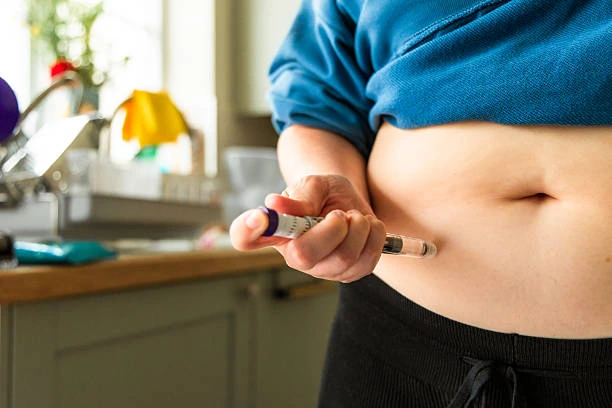
Stopping Ozempic can feel tough. Many people worry about putting weight back on after going off the medication. At TrimBody M.D., we guide patients in making a steady and healthy shift for lasting results. This guide explains how to not gain weight after stopping Ozempic using proven methods that protect long-term results and health.
Key Takeaways:
- Small steady changes in your daily habits help you avoid quick weight gain after stopping Ozempic.
- Eating balanced meals and staying active keeps your metabolism running strong.
- Managing stress plays a big role in keeping your appetite and hormones steady.
- Ongoing check-ins with medical experts allow you to monitor progress and tweak your plan.
- Building lifelong habits helps more than relying on short-term diets.
Understanding Why Weight Comes Back After Ozempic
Ozempic, also known as semaglutide, reduces hunger and makes insulin work better in the body. After stopping it, your body might feel hungrier, and your metabolism may slow down. Research shows most people gain back about two-thirds of the weight they lost within a year if they don’t follow a plan afterward.
This happens because semaglutide changes how the brain and stomach work together. When the medication is stopped, the body often tries to go back to its old weight. Knowing how your body reacts is important to avoid gaining the weight back again.
Step One: Create a Nutrition Plan to Work Long Term
To keep off the weight after stopping Ozempic, people need to develop eating habits they can stick to both before and after ending the medication. Eat foods that provide nutrients and keep hunger away for longer periods. These could include lean protein, good fats, veggies packed with fiber, and carbs that take longer to digest.
Skipping meals or trying extreme diets or detox trends can backfire by slowing metabolism and increasing hunger pangs. Sticking to meals with a mix of food groups that help regulate blood sugar works better.
A report in BMC Medicine highlights that focusing on regular protein intake and consistent meals makes it easier to manage weight over time after using GLP-1 treatments.
Some good tips: eat small meals every 3 to 4 hours so your energy levels stay steady.
- Focus on eating protein with each meal, like chicken, fish, eggs, or beans.
- Cut back on processed foods loaded with sugar and fat.
- Stay hydrated by drinking enough water to help with digestion and energy use.
- Eat to pay attention to when you feel hungry or full.
If your progress seems to have slowed even before quitting Ozempic, check out why some people struggle to lose weight on semaglutide.
Step Two: Work Out To Keep Muscle And Boost Metabolism
Staying physically active plays a key role in keeping weight off after losing it with medications. Rapid fat loss through Ozempic reduces lean muscle too, which can lower how your body burns energy. To regain energy balance and build back strength, activity is crucial after stopping the medication.
Experts advise including strength training, cardio, and flexibility exercises in your routine. Moving for just 30 minutes, five days a week, improves calorie burning. Nutritionist Resource highlights that staying active following GLP-1 therapy helps control hunger from hormonal changes. Easy tips for staying on track:
- Do strength exercises 2–3 times each week to hold onto muscle
- Include gentle cardio activities like walking, biking, or swimming.
- Keep track of your progress and increase your intensity as you go.
- Stretch every day to ease stress and boost blood flow.
- Pick activities you like because staying consistent is more important than pushing too hard.
Discover how GLP-1 medications such as Ozempic affect hunger and metabolism.
Now, How To Not Gain Weight After Stopping Ozempic?
To keep your progress, you need a balanced approach that strengthens both your physical and mental health. Instead of depending on medications, work on habits that help your metabolism stay active.
Take It Slow
Don’t quit taking Ozempic all of a sudden. Talk to your doctor to figure out a safe way to lower the dose. Easing off helps your body adapt without sudden hormone changes or strong hunger cravings. This approach also helps keep things steady in the long run and lowers the chance of gaining back weight.
Keep an Eye on Progress
Try using tools like journals, photos, or body scanners to track your journey outside of just measuring weight. Keeping track helps you notice small shifts and motivates you to stick with your efforts. Checking in makes it easier to adjust habits and celebrate wins as they come.
Make Sleep a Priority
Bad sleep raises cortisol levels and boosts hunger hormones, which can make people eat more and slow down how fast they burn calories. To recover and balance hormones, aim to get seven to eight hours of good sleep every night. Keeping a steady sleep schedule helps make managing weight easier and more practical in the long run.
Handle Stress
Stress can spark cravings, push people to eat their feelings, and mess up daily routines. Try habits like deep breathing, meditating, or gentle exercise to stay calm and focused. Stress management has an important role in keeping hormones steady and controlling hunger.
Be Consistent
Consistency matters if you want lasting results. Stick to easy, manageable habits every day, like planning meals, drinking enough water, and staying active. These small steps build a solid base for long-term success after stopping Ozempic.
These steps not prevent weight from coming back, but also support lasting metabolic health. To address digestive issues linked to the transition, check out our guide on Ozempic digestive side effects.
Our Costa Mesa Clinic Approach: Building Long-Term Success Without Ozempic
At TrimBody M.D., our Cosmetic and Medical Weight Loss Clinic in Costa Mesa has guided over 30,000+ patients to reach sustainable results. Here is how we assist you:
- Tailored weight plans led by doctors
- One-on-one coaching for meals and nutrition
- Regular tracking of hormones and metabolism.
- Get access to GLP-1 program guidance and other options
- Receive emotional care during every step of your process
We focus on practical results you can stick with. Our programs guide you to build better habits, manage hormones, and keep your weight steady even after finishing Ozempic. Find out more about what we offer at TrimBody M.D..
Making Results Last Long-Term
Keeping success after Ozempic needs consistent ongoing care and a plan that fits you. A steady metabolism comes from good nutrition, physical activity, and expert support. Regular check-ins with your healthcare provider help avoid challenges and find fresh solutions as your body changes.
Using the right methods, you can stay on track and keep feeling strong, full of energy, and confident in managing your health.
Want To Keep Your Results? Reach out to our Costa Mesa team now to get professional support on managing your weight for the long haul after using Ozempic. Check out your consultation options here.
Frequently Asked Questions
Is It Possible To Keep Weight Off After Stopping Ozempic?
Yes, sticking to healthy eating, staying active, and following up with the right care makes it possible.
What Percentage Of People Gain Weight Back After Ozempic?
Research says about two-thirds put some weight back within a year. Having support in place and building solid routines can lower the chances of this happening.
How To Increase Metabolism After Ozempic?
Focus on building muscle by doing strength exercises and eating meals packed with protein. Staying active each day, along with getting proper sleep and handling stress, can help keep your metabolism working well after stopping treatment.
Is It Safe To Stop Taking Ozempic?
You can stop Ozempic by reducing the dose under a doctor’s supervision. Expert advice can help avoid side effects and make it easier to maintain your weight over time.
Will Appetite Come Back After Quitting Ozempic?
Appetite tends to rise when GLP-1 activity goes down. Eating balanced meals, drinking enough water, and using mindful eating habits can help naturally manage hunger.
Let our team know how we can help with your goals!

Get In Touch With Us
Schedule Your Free Consultation — Take Your First Step Today
 Henderson
Let our team of Medical Professionals help you achieve your body goals. Contact us Today!