
'%3e%3cpath%20d='M12.0979%2019.9987C10.6974%2019.9987%209.29703%2019.4657%208.2309%2018.3995L1.60176%2011.7704C0.568828%2010.7375%200%209.36414%200%207.9034C0%206.44262%200.568828%205.06934%201.6018%204.03641C2.51562%203.12254%204.00258%203.12262%204.91633%204.03637L7.12605%206.2461C8.03988%207.15992%208.03988%208.6468%207.12605%209.56067C6.97848%209.70821%206.89723%209.90442%206.89723%2010.1131C6.89723%2010.3218%206.97848%2010.5179%207.12602%2010.6655L9.33574%2012.8752C9.48328%2013.0228%209.67949%2013.1041%209.88816%2013.1041C10.0969%2013.1041%2010.293%2013.0228%2010.4406%2012.8753C11.3545%2011.9614%2012.8414%2011.9614%2013.7552%2012.8753L15.9649%2015.085C16.8787%2015.9988%2016.8787%2017.4857%2015.9649%2018.3995C14.8987%2019.4657%2013.4983%2019.9987%2012.0979%2019.9987ZM3.25906%204.91281C3.05898%204.91281%202.85895%204.98895%202.7066%205.14129C1.96883%205.87906%201.5625%206.86%201.5625%207.9034C1.5625%208.9468%201.96883%209.92774%202.7066%2010.6655L9.33574%2017.2947C10.8587%2018.8177%2013.337%2018.8177%2014.86%2017.2947C15.1646%2016.99%2015.1646%2016.4944%2014.86%2016.1898L12.6503%2013.9801C12.5028%2013.8325%2012.3066%2013.7513%2012.0979%2013.7513C11.8892%2013.7513%2011.693%2013.8325%2011.5455%2013.98C10.6316%2014.8939%209.14473%2014.8939%208.23086%2013.98L6.02117%2011.7703C5.57852%2011.3277%205.33473%2010.7391%205.33473%2010.113C5.33473%209.48703%205.57852%208.89844%206.02117%208.45578C6.16875%208.30824%206.25%208.11203%206.25%207.90336C6.25%207.69469%206.16875%207.49852%206.02117%207.35094L3.81148%205.14121C3.65918%204.98899%203.4591%204.91281%203.25906%204.91281Z'%20fill='black'/%3e%3cpath%20d='M9.5448%209.3168C9.25285%209.1959%209.0625%208.91102%209.0625%208.59504V0.782539C9.0625%200.351055%209.41227%200.00128937%209.84375%200.00128937H19.2188C19.6502%200.00128937%2020%200.351055%2020%200.782539V7.03254C20%207.46402%2019.6502%207.81379%2019.2188%207.81379H11.7298L10.3962%209.14746C10.1728%209.3709%209.83676%209.43773%209.5448%209.3168ZM10.625%201.56379V6.70895L10.8538%206.48012C11.0003%206.33359%2011.199%206.25129%2011.4062%206.25129H18.4375V1.56379H10.625Z'%20fill='black'/%3e%3cpath%20d='M12.9688%204.68879C13.4002%204.68879%2013.75%204.33901%2013.75%203.90754C13.75%203.47607%2013.4002%203.12629%2012.9688%203.12629C12.5373%203.12629%2012.1875%203.47607%2012.1875%203.90754C12.1875%204.33901%2012.5373%204.68879%2012.9688%204.68879Z'%20fill='black'/%3e%3cpath%20d='M16.0938%204.68879C16.5252%204.68879%2016.875%204.33901%2016.875%203.90754C16.875%203.47607%2016.5252%203.12629%2016.0938%203.12629C15.6623%203.12629%2015.3125%203.47607%2015.3125%203.90754C15.3125%204.33901%2015.6623%204.68879%2016.0938%204.68879Z'%20fill='black'/%3e%3c/g%3e%3cdefs%3e%3cclipPath%20id='clip0_6353_9'%3e%3crect%20width='20'%20height='20'%20fill='white'/%3e%3c/clipPath%3e%3c/defs%3e%3c/svg%3e)
'%3e%3cpath%20d='M10%2020C13.8389%2020%2017.0312%2018.3836%2017.0312%2016.0938C17.0312%2015.4405%2016.7592%2014.8022%2016.2444%2014.2478C15.9508%2013.9316%2015.4565%2013.9132%2015.1403%2014.2068C14.8241%2014.5004%2014.8058%2014.9947%2015.0994%2015.3109C15.3444%2015.5749%2015.4687%2015.8383%2015.4687%2016.0938C15.4687%2017.2001%2013.13%2018.4375%209.99996%2018.4375C6.86996%2018.4375%204.53121%2017.2001%204.53121%2016.0938C4.53121%2015.8382%204.65547%2015.5749%204.90055%2015.3109C5.19414%2014.9947%205.17582%2014.5004%204.85965%2014.2068C4.54348%2013.9133%204.04914%2013.9316%203.75555%2014.2477C3.24082%2014.8021%202.96875%2015.4405%202.96875%2016.0938C2.96875%2018.3803%206.15578%2020%2010%2020Z'%20fill='black'/%3e%3cpath%20d='M8.13172%2015.9465C8.57285%2016.5282%209.27023%2016.875%2010%2016.875C10.7298%2016.875%2011.4271%2016.5282%2011.8683%2015.9466L15.6293%2011.2402C16.5465%2010.0163%2017.0312%208.5609%2017.0312%207.03125C17.0312%203.15422%2013.877%200%2010%200C6.12297%200%202.96875%203.15422%202.96875%207.03125C2.96875%208.56094%203.45352%2010.0164%204.37063%2011.2402L8.13172%2015.9465ZM10%201.5625C13.0155%201.5625%2015.4688%204.01578%2015.4688%207.03125C15.4688%208.21648%2015.0944%209.34434%2014.386%2010.2938C14.386%2010.2938%2010.6309%2014.9924%2010.626%2014.9989C10.4766%2015.1982%2010.2484%2015.3125%2010%2015.3125C9.75156%2015.3125%209.5234%2015.1982%209.37402%2014.9989C9.36914%2014.9923%209.36418%2014.9859%209.3591%2014.9796L5.61395%2010.2937C4.90559%209.34434%204.53125%208.21652%204.53125%207.03125C4.53125%204.01578%206.98453%201.5625%2010%201.5625Z'%20fill='black'/%3e%3cpath%20d='M10%2010.9375C12.1539%2010.9375%2013.9062%209.18516%2013.9062%207.03125C13.9062%204.87734%2012.1539%203.125%2010%203.125C7.84609%203.125%206.09375%204.87734%206.09375%207.03125C6.09375%209.18516%207.84609%2010.9375%2010%2010.9375ZM10%204.6875C11.2923%204.6875%2012.3438%205.73891%2012.3438%207.03125C12.3438%208.32359%2011.2923%209.375%2010%209.375C8.70766%209.375%207.65625%208.32359%207.65625%207.03125C7.65625%205.73891%208.70766%204.6875%2010%204.6875Z'%20fill='black'/%3e%3c/g%3e%3cdefs%3e%3cclipPath%20id='clip0_6353_60'%3e%3crect%20width='20'%20height='20'%20fill='white'/%3e%3c/clipPath%3e%3c/defs%3e%3c/svg%3e)

'%3e%3ccircle%20cx='321'%20cy='321'%20r='276'%20transform='matrix(-1%200%200%201%20481%200)'%20stroke='%23E5DFD3'%20stroke-width='90'/%3e%3c/g%3e%3cdefs%3e%3cclipPath%20id='clip0_6046_3421'%3e%3crect%20width='481'%20height='413'%20fill='white'%20transform='matrix(-1%200%200%201%20481%200)'/%3e%3c/clipPath%3e%3c/defs%3e%3c/svg%3e)
Ozempic Injection Site Pain: Why It Happens and How to Ease It
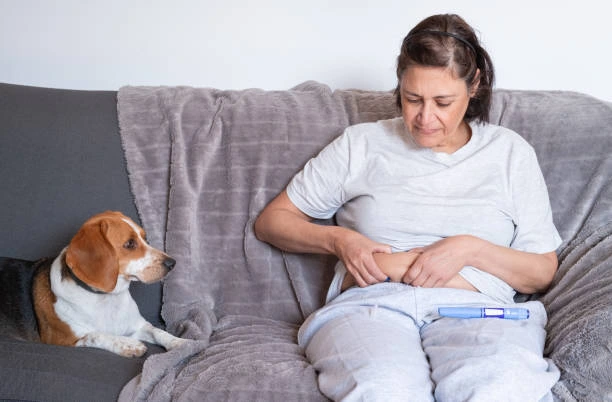
Ozempic, also called semaglutide, has changed how people treat type 2 diabetes and lose weight in a steady way. It gets good results. Still, as with any medicine you need to inject, some users feel pain or irritation where they give the shot. If you’ve noticed soreness or swelling after using Ozempic, you’re not the only one.
The upside? Ozempic injection site pain stays mild, and you can reduce it through simple easy-to-follow steps. Small tweaks to how you handle your injections might improve how comfortable you feel and help you stick to your routine.
What Causes Injection Site Pain
Knowing why Ozempic injection site pain occurs can give you more confidence in managing your treatment. While most people handle these injections just fine, a few typical causes might lead to some discomfort or tenderness, as outlined in injection site research exploring common reactions to subcutaneous medications.
Needle Positioning
Ozempic goes under the skin, not into muscle. Going too deep or injecting near nerves or blood vessels can cause stronger pain. Picking the right spot and depth is important.
Sensitive Skin Conditions
Some people have skin that reacts more than others. If you’ve had issues with injections or skin products before, you might notice more swelling or redness where you’re injected.
How You Inject
Bad injecting habits cause a lot of the pain. If you press too hard, or stick to the same spot all the time, you could end up with bruises or mild pain.
Temperature of the Medication
Using cold medication through injection might make irritation worse. Letting your Ozempic pen warm up to room temperature before using it can help lessen the sting.
Mild Swelling
The body sometimes responds to injections with slight swelling or redness at the spot. This reaction clears up in a few hours or by the next day.
These small problems are not harmful, though they may be annoying or uncomfortable if ignored.
Ways To Ease Ozempic Injection Pain
If you feel soreness or discomfort after your weekly Ozempic shot fixing it could be easier than you think. Below are practical tips to ease irritation and make injecting less of a hassle.
1. Change Injection Spots
Don’t keep injecting in the exact spot every time. Switch it up by using your stomach, thigh, or upper arm as different sites. Giving these spots a break helps the skin heal and avoids unnecessary irritation.
2. Let The Medication Sit Out
Keep Ozempic in the fridge but take it out at least 30 minutes before using it. Injecting cold medication can sting, whereas letting it reach room temperature makes it less uncomfortable. For more tips on proper storage and care, read our guide on storing and refrigerating semaglutide.
3. Apply Light Pressure
Push the medication in and at a steady pace. Don’t push the needle too into your skin, and try to avoid sudden movements. If you feel uncertain about how to do it right, the team at TrimBody M.D. can guide you on safe and pain-free methods.
4. Pick A Good Spot
Inject into a place with some fat, but avoid areas right over veins or scars. The outer thigh or lower belly away from the navel works well and feels fine. For a detailed breakdown on choosing the right injection area, check out is it better to inject Ozempic in the stomach or thigh to see which site offers the most comfort and absorption.
5. Clean The Skin Well
Wipe the injection spot using an alcohol swab and let it dry first. This stops infections and keeps irritation away. Stay clear of any spot that’s red, bruised, or feels sore.
6. Try A Cool Compress After
If you notice slight redness or swelling after the injection, use a clean cool compress. It can ease the discomfort and lower any swelling you see.
How To Know When Pain Is A Concern
Ozempic injection site pain is mild and goes away on its own. You don’t need to stress about it most of the time, as noted in patient-reported experiences and clinical overviews of common side effects. However, you should recognize signs that might mean something more serious is happening. Reach out to your doctor or clinic if you notice:
- Pain getting worse after a full day
- Redness or swelling spreading past the injection area
- A hard lump that does not disappear
- Infection symptoms like pus, warmth, or fever
- Allergic reaction signs such as hives, trouble breathing, or intense itching
Even though these problems hardly ever occur, they still need proper medical care. At TrimBody M.D., we help you through every part of your treatment so you can use your medication in a safe and easy way.
Many patients tell us that with the right support, Ozempic injection site pain is no longer a concern, which helps them concentrate on reaching their health goals.
What Truly Matters To Succeed Long-Term
A bit of soreness after an injection shouldn’t hold you back from your goals. By making small changes and getting help from a medical team most patients find a routine that fits their needs.
At TrimBody M.D., we make sure you know the right way to inject, where to rotate injection sites, and how to prevent pain. We aim to do more than just help you lose weight—we want you to feel great every step of the way.
Need extra guidance with your Ozempic routine? Book a consultation today to see how we can help reduce side effects and improve results.
Frequently Asked Questions
Why Does Ozempic Make the Injection Site Hurt?
Minor inflammation, poor injection methods, or using cold medication often cause the discomfort. It is mild and gets better with small changes.
Is It Okay to Rub the Injection Area After Using Ozempic?
Right after an injection, you should skip massaging the area. That might irritate the tissue. If the spot gets sore later, using a cool compress works better.
Is It Normal To Get A Red Bump After Injecting Ozempic?
A tiny red bump might show up, and it often fades after a few hours. If the bump gets bigger or starts to hurt, reach out to your doctor.
Where’s The Best Place To Inject Ozempic To Lessen Pain?
The outer thigh or the stomach (not close to the belly button) works best. Change injection spots every week and stay clear of scars, bruises, or skin that isn’t healthy.
Should I Worry About Injection Site Reactions Over Time?
Serious problems happen over time. Using the right methods and switching sites often helps most people avoid ongoing pain or skin irritation.
Let our team know how we can help with your goals!

Get In Touch With Us
Schedule Your Free Consultation — Take Your First Step Today
 Henderson
Let our team of Medical Professionals help you achieve your body goals. Contact us Today!