
'%3e%3cpath%20d='M12.0979%2019.9987C10.6974%2019.9987%209.29703%2019.4657%208.2309%2018.3995L1.60176%2011.7704C0.568828%2010.7375%200%209.36414%200%207.9034C0%206.44262%200.568828%205.06934%201.6018%204.03641C2.51562%203.12254%204.00258%203.12262%204.91633%204.03637L7.12605%206.2461C8.03988%207.15992%208.03988%208.6468%207.12605%209.56067C6.97848%209.70821%206.89723%209.90442%206.89723%2010.1131C6.89723%2010.3218%206.97848%2010.5179%207.12602%2010.6655L9.33574%2012.8752C9.48328%2013.0228%209.67949%2013.1041%209.88816%2013.1041C10.0969%2013.1041%2010.293%2013.0228%2010.4406%2012.8753C11.3545%2011.9614%2012.8414%2011.9614%2013.7552%2012.8753L15.9649%2015.085C16.8787%2015.9988%2016.8787%2017.4857%2015.9649%2018.3995C14.8987%2019.4657%2013.4983%2019.9987%2012.0979%2019.9987ZM3.25906%204.91281C3.05898%204.91281%202.85895%204.98895%202.7066%205.14129C1.96883%205.87906%201.5625%206.86%201.5625%207.9034C1.5625%208.9468%201.96883%209.92774%202.7066%2010.6655L9.33574%2017.2947C10.8587%2018.8177%2013.337%2018.8177%2014.86%2017.2947C15.1646%2016.99%2015.1646%2016.4944%2014.86%2016.1898L12.6503%2013.9801C12.5028%2013.8325%2012.3066%2013.7513%2012.0979%2013.7513C11.8892%2013.7513%2011.693%2013.8325%2011.5455%2013.98C10.6316%2014.8939%209.14473%2014.8939%208.23086%2013.98L6.02117%2011.7703C5.57852%2011.3277%205.33473%2010.7391%205.33473%2010.113C5.33473%209.48703%205.57852%208.89844%206.02117%208.45578C6.16875%208.30824%206.25%208.11203%206.25%207.90336C6.25%207.69469%206.16875%207.49852%206.02117%207.35094L3.81148%205.14121C3.65918%204.98899%203.4591%204.91281%203.25906%204.91281Z'%20fill='black'/%3e%3cpath%20d='M9.5448%209.3168C9.25285%209.1959%209.0625%208.91102%209.0625%208.59504V0.782539C9.0625%200.351055%209.41227%200.00128937%209.84375%200.00128937H19.2188C19.6502%200.00128937%2020%200.351055%2020%200.782539V7.03254C20%207.46402%2019.6502%207.81379%2019.2188%207.81379H11.7298L10.3962%209.14746C10.1728%209.3709%209.83676%209.43773%209.5448%209.3168ZM10.625%201.56379V6.70895L10.8538%206.48012C11.0003%206.33359%2011.199%206.25129%2011.4062%206.25129H18.4375V1.56379H10.625Z'%20fill='black'/%3e%3cpath%20d='M12.9688%204.68879C13.4002%204.68879%2013.75%204.33901%2013.75%203.90754C13.75%203.47607%2013.4002%203.12629%2012.9688%203.12629C12.5373%203.12629%2012.1875%203.47607%2012.1875%203.90754C12.1875%204.33901%2012.5373%204.68879%2012.9688%204.68879Z'%20fill='black'/%3e%3cpath%20d='M16.0938%204.68879C16.5252%204.68879%2016.875%204.33901%2016.875%203.90754C16.875%203.47607%2016.5252%203.12629%2016.0938%203.12629C15.6623%203.12629%2015.3125%203.47607%2015.3125%203.90754C15.3125%204.33901%2015.6623%204.68879%2016.0938%204.68879Z'%20fill='black'/%3e%3c/g%3e%3cdefs%3e%3cclipPath%20id='clip0_6353_9'%3e%3crect%20width='20'%20height='20'%20fill='white'/%3e%3c/clipPath%3e%3c/defs%3e%3c/svg%3e)
'%3e%3cpath%20d='M10%2020C13.8389%2020%2017.0312%2018.3836%2017.0312%2016.0938C17.0312%2015.4405%2016.7592%2014.8022%2016.2444%2014.2478C15.9508%2013.9316%2015.4565%2013.9132%2015.1403%2014.2068C14.8241%2014.5004%2014.8058%2014.9947%2015.0994%2015.3109C15.3444%2015.5749%2015.4687%2015.8383%2015.4687%2016.0938C15.4687%2017.2001%2013.13%2018.4375%209.99996%2018.4375C6.86996%2018.4375%204.53121%2017.2001%204.53121%2016.0938C4.53121%2015.8382%204.65547%2015.5749%204.90055%2015.3109C5.19414%2014.9947%205.17582%2014.5004%204.85965%2014.2068C4.54348%2013.9133%204.04914%2013.9316%203.75555%2014.2477C3.24082%2014.8021%202.96875%2015.4405%202.96875%2016.0938C2.96875%2018.3803%206.15578%2020%2010%2020Z'%20fill='black'/%3e%3cpath%20d='M8.13172%2015.9465C8.57285%2016.5282%209.27023%2016.875%2010%2016.875C10.7298%2016.875%2011.4271%2016.5282%2011.8683%2015.9466L15.6293%2011.2402C16.5465%2010.0163%2017.0312%208.5609%2017.0312%207.03125C17.0312%203.15422%2013.877%200%2010%200C6.12297%200%202.96875%203.15422%202.96875%207.03125C2.96875%208.56094%203.45352%2010.0164%204.37063%2011.2402L8.13172%2015.9465ZM10%201.5625C13.0155%201.5625%2015.4688%204.01578%2015.4688%207.03125C15.4688%208.21648%2015.0944%209.34434%2014.386%2010.2938C14.386%2010.2938%2010.6309%2014.9924%2010.626%2014.9989C10.4766%2015.1982%2010.2484%2015.3125%2010%2015.3125C9.75156%2015.3125%209.5234%2015.1982%209.37402%2014.9989C9.36914%2014.9923%209.36418%2014.9859%209.3591%2014.9796L5.61395%2010.2937C4.90559%209.34434%204.53125%208.21652%204.53125%207.03125C4.53125%204.01578%206.98453%201.5625%2010%201.5625Z'%20fill='black'/%3e%3cpath%20d='M10%2010.9375C12.1539%2010.9375%2013.9062%209.18516%2013.9062%207.03125C13.9062%204.87734%2012.1539%203.125%2010%203.125C7.84609%203.125%206.09375%204.87734%206.09375%207.03125C6.09375%209.18516%207.84609%2010.9375%2010%2010.9375ZM10%204.6875C11.2923%204.6875%2012.3438%205.73891%2012.3438%207.03125C12.3438%208.32359%2011.2923%209.375%2010%209.375C8.70766%209.375%207.65625%208.32359%207.65625%207.03125C7.65625%205.73891%208.70766%204.6875%2010%204.6875Z'%20fill='black'/%3e%3c/g%3e%3cdefs%3e%3cclipPath%20id='clip0_6353_60'%3e%3crect%20width='20'%20height='20'%20fill='white'/%3e%3c/clipPath%3e%3c/defs%3e%3c/svg%3e)

'%3e%3ccircle%20cx='321'%20cy='321'%20r='276'%20transform='matrix(-1%200%200%201%20481%200)'%20stroke='%23E5DFD3'%20stroke-width='90'/%3e%3c/g%3e%3cdefs%3e%3cclipPath%20id='clip0_6046_3421'%3e%3crect%20width='481'%20height='413'%20fill='white'%20transform='matrix(-1%200%200%201%20481%200)'/%3e%3c/clipPath%3e%3c/defs%3e%3c/svg%3e)
Does Ozempic Cause Muscle Loss?
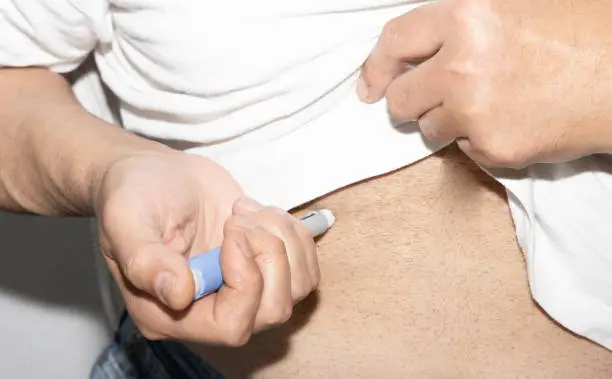
People using Ozempic often lose weight quickly, raising concerns about losing muscle too. Studies show it can reduce both fat and lean mass. At TrimBody M.D., we focus on protecting muscle through balanced nutrition, strength support, and medical guidance for healthier, lasting weight loss results.
Key Takeaways:
- Ozempic could result in some muscle loss along with fat loss during weight loss plans.
- Eating enough protein and doing strength exercises can help save muscle mass.
- Losing weight might make you lose muscle unless you get the right help.
- Doctors can help balance losing fat with keeping your muscles intact.
- Changing habits while working with professionals leads to better and healthier results.
How Ozempic Ties to Muscle Loss
Ozempic (semaglutide) works by imitating the hormone GLP-1 to control appetite and blood sugar levels. It slows down digestion and helps you eat fewer calories, which supports weight loss. But if calories drop too much, the body might start using muscle as a source of energy.
A University of Utah Health study from 2025 found that people taking GLP-1 drugs like Ozempic lost a mix of fat and muscle, with lean body mass making up as much as 30% of their total weight loss. This shows why it is crucial to combine medication with ways to maintain strength.
Muscle mass is key for metabolism, supporting strong bones, and providing daily energy. Losing too much muscle can slow metabolism and make it more difficult to keep weight off over time. At TrimBody M.D., our experts focus on helping patients maintain metabolic balance during weight loss treatments to prevent these challenges.
To understand semaglutide therapy, check out our guide on how long Ozempic takes to work. It explains why slow results are better when it comes to keeping your muscles and body healthy.
Can You Still Build Muscle On Ozempic?
Yes, you can, but you need to be deliberate about it. Since Ozempic reduces hunger, building or keeping muscle means eating enough food and working out. If patients cut calories without exercise, they may lose muscle instead of just fat. Adding resistance training helps protect muscles and might even grow them.
A PubMed study showed that people combining GLP-1 medications with regular strength training and higher-protein diets kept much more lean muscle than those who skipped these steps. This means the medication doesn’t stop muscle building on its own; it just reduces how much you eat, so you need to handle your diet.
Tips to keep muscle while on Ozempic:
- Focus on Protein: Try to eat 1.0–1.2 grams of protein for every pound of lean body weight.
- Do Strength Training: Work out 2–4 times a week and hit your big muscle groups.
- Maintain Calorie Balance: Do not cut calories too much to ensure enough fuel for recovery and energy.
- Drink Enough Water: Stay hydrated to avoid fatigue and help your body recover faster.
- Focus on Quality Sleep: Getting proper rest helps muscles heal and keeps hormones balanced.
Our team suggests pairing semaglutide with fitness methods such as electrical muscle stimulation. This approach works to build muscle without putting stress on joints.
How To Prevent Muscle Loss On Ozempic
Avoiding muscle loss plays a big role in healthy weight management. Maintaining a small calorie deficit instead of cutting too many calories, while eating well and doing strength exercises, helps protect lean muscle.
- Get Enough Protein: Protein plays a key role in muscle repair and building. Eating lean options like chicken, fish, eggs, and plant-based proteins helps your muscles recover and keeps them from breaking down when losing weight.
- Do Strength Training: Short workouts with resistance can still make a big difference. Exercises using body weight, resistance bands, or free weights keep muscles engaged and strong.
- Don’t Lose Weight Too Fast: Losing weight too quickly can cause you to lose more muscle. Dropping 1 to 2 pounds a week gives your body time to adjust while focusing more on losing fat.
- Plan Regular Check-Ins: tracking body composition under medical guidance, instead of just checking weight, provides a better understanding of progress.
- Drink Enough Water and Stay Nourished: Taking Ozempic might reduce your thirst, so staying hydrated prevents tiredness and ensures nutrients are delivered to your muscles
How Ozempic Changes Body Composition
When the body loses calories, it often sheds a mix of fat, water, and lean muscle. Ozempic boosts this process by helping decrease hunger and lowering calorie intake, making muscle-preserving techniques even more important.
Without good nutrition, the body shifts its focus to saving energy. This slows down metabolism and weakens muscles. Over time, people might lose weight without gaining strength or muscle definition, often called “skinny fat.”
Sticking to a steady plan with balanced nutrition helps avoid this. People who use Ozempic and follow it up with proper exercise often see fitter,stronger bodies and protect their metabolic health over time.
To ease soreness or discomfort during treatment, you can check out our Ozempic injection site pain guide. It shares useful tips to manage pain and administer the injections.
How TrimBody M.D. Supports Strength While Using Ozempic
At TrimBody M.D., we have worked with over 30,000 patients to help them lose weight in a way that lasts. We focus on more than just numbers on a scale. Our goal is to help you create a healthier, stronger body that you can maintain.
This is how we help you keep muscle during Ozempic treatment:
- We create custom meal plans to preserve muscle and encourage fat reduction.
- Our team provides guided exercise routines to improve muscle tone and shape.
- We use tools like electrical muscle stimulation to help with muscle recovery.
- We track body composition to give real insight into your progress.
- Medical experts oversee your treatment, adjusting doses and keeping an eye on your health.
Building Strength And Confidence Over Time
Now, thinking does Ozempic cause muscle loss? It might, but it doesn’t have to. By combining good nutrition, strength training, and proper medical advice, you can lose weight without giving up your muscle tone and might even make it better.
TrimBody M.D. guides patients to achieve balance. We focus on delivering results that improve both physical health and self-confidence. Schedule a free consultation today and get expert guidance with a customized plan to preserve your lean muscle.
Frequently Asked Questions
Does Ozempic Cause Loss Of Muscle Mass?
Yes, Ozempic can lead to some muscle loss as part of overall weight reduction. This happens when calorie intake drops too low, making strength training and protein intake essential to maintain lean muscle. Ozempic can also affect other parts of the body beyond muscles. You can read this guide about Ozempic and teeth.
Can You Regain Muscle After Stopping Ozempic?
Yes, you can rebuild muscle with proper nutrition and strength-focused exercise once you stop Ozempic. Gradually increasing calorie and protein intake helps restore lean mass and metabolic balance safely.
Why Does Ozempic Affect Muscle?
Ozempic reduces appetite and calorie intake, which can cause the body to use muscle for energy. Balanced nutrition and consistent workouts prevent excessive lean mass loss while on treatment.
How Do You Prevent Muscle Loss While Using Ozempic?
Incorporate resistance training, maintain protein-rich meals, and avoid drastic calorie cuts. Regular medical monitoring also helps balance fat loss while preserving strength and muscle tone.
Is Muscle Loss Permanent With Ozempic?
No, muscle loss from Ozempic isn’t permanent if addressed early. A structured recovery plan with adequate nutrients and physical activity helps rebuild and strengthen muscle tissue effectively.
Let our team know how we can help with your goals!

Get In Touch With Us
Schedule Your Free Consultation — Take Your First Step Today
 Henderson
Let our team of Medical Professionals help you achieve your body goals. Contact us Today!