
Choosing between hydrafacial vs chemical peel options is important to enhance skin clarity, texture, and brightness. These treatments work in unique ways, and the experts at TrimBody M.D. use proven methods based on evidence to guide patients towards the right option for their skin needs.
Key Takeaways:
- Hydrafacial works with a device to exfoliate and hydrate while clearing buildup.
- Chemical peels go deeper into the skin layers to improve discoloration and texture issues.
- Hydrafacial suits sensitive or reactive skin, causing little recovery time.
- Chemical peels treat acne scars, dark spots, and rough skin texture more.
- Doctors guide you to choose the safest and most effective method.
What to Know About Hydrafacials and Why They’re Popular
A hydrafacial uses a technology called vortex to exfoliate, clean out pores, and refresh the skin in a single session. This method helps enhance the skin’s glow, smoothness, and appearance of pores. Many people like it because it feels relaxing and shows fast results. Hydrafacial works well for those wanting to brighten tired-looking skin or clear pores without harsh peeling.
The procedure has three simple steps. First, the device clears away debris and preps the skin. Then it uses a mild solution to resurface the skin. It adds moisturizing serums to make the skin feel soft.
Skincare experts often suggest getting a Hydrafacial every month to maintain healthy skin. Its quick glow makes it a favorite choice before big occasions, picture days, or seasonal touch-ups. It also suits those whose skin is too sensitive for harsh acids.
Clinical studies shared by the NLM reveal that hydra-dermabrasion technology helps by increasing hydration and improving skin texture through gentle exfoliation.
How Chemical Peels Work on Deeper Skin Layers
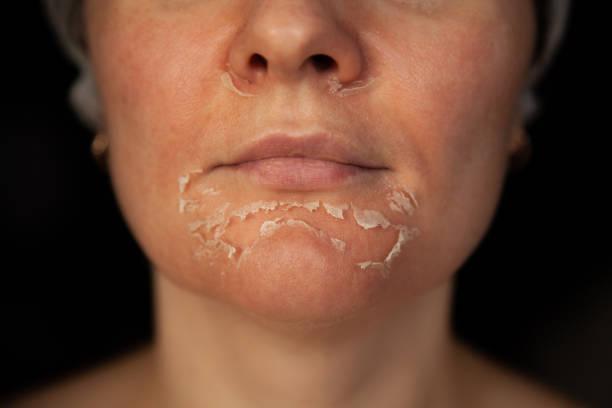
Chemical peels use specific acids in a controlled way to clear away deeper skin layers. They help fade pigmentation issues, smooth acne scars, and improve dull-looking skin. Different strengths are designed to address specific problems. Lighter peels refine surface texture, while medium ones work better for dark spots, acne troubles, and uneven skin tones.
When people look into hydrafacial and chemical peel options, they usually find that peels offer more noticeable results. For instance, those dealing with melasma or persistent skin discoloration often experience significant improvements after following a well-planned peel routine. TrimBody M.D. explains this in their chemical peels guide.
Research from outside sources also shows how effective chemical peels can be. According to a study in the PMC database, peels can lead to better skin tone, fewer acne scars, and smoother texture when done at the right times.
Medical clinics rely on multiple treatments to manage pigmentation issues. TrimBody M.D. shares in their FAQ about chemical peel count for hyperpigmentation, how many sessions are required to address such concerns.
Is Hydrafacial or Chemical Peel Better For Hyperpigmentation?
Chemical peels tend to work better on hyperpigmentation since they go deeper into skin layers to target excess pigment. The exfoliation process removes dark spots, patterns caused by melasma, and discoloration from the sun. Peels assist in breaking up pigment clusters to help the skin renew more.
Hydrafacial helps brighten skin tone by removing dull layers and adding moisture. Many people get hydrafacials between peels to keep their skin clear and balanced. The best plan depends on your skin type how sensitive it is, the type of dark spots you have, and how much recovery time you want.
Experts say chemical peels are still a good method for reducing pigmentation since they use deeper exfoliation techniques.
How Long Between Hydrafacial And Chemical Peel?
Most people wait about one to two weeks after a hydrafacial before getting a chemical peel. This gives the skin time to recover before starting a stronger exfoliation. The exact wait depends on how sensitive your skin is, the intensity of the peel, and how your skin reacts to exfoliation.
Spacing treatments can ease sensitivity. Clinics often plan hydrafacials when the skin needs moisture and brightness. They schedule peels at specific times to target deeper issues. Doctors check your skin’s tolerance levels to suggest the best combination of treatments.
Which Is Better, a Hydrafacial or a Chemical Peel?
For people wanting quick hydration, a glow, or simple upkeep, hydrafacial is often the better choice. Chemical peels support deeper concerns like pigmentation, acne marks, and rough texture through stronger exfoliation. Your goals and skin reaction patterns help determine the best option.
Hydrafacial Benefits:
- Gives instant radiance with little recovery time
- Supports sensitive or reactive skin
- Helps with mild dullness and clogged pores
- Boosts hydration and surface smoothness
- Ideal for regular maintenance and monthly care
Chemical Peel Benefits:
- Targets deeper layers for stronger resurfacing
- Helps fade stubborn pigmentation and sun damage
- Improves acne marks and rough texture
- Supports long-term tone correction
- Works well in structured treatment series
To learn more about the hydrafacial process and its advantages, check out TrimBody M.D.’s guide.
What Happens to Your Skin with Each Treatment
Below are the typical changes and feelings people notice for these treatments:
Hydrafacial Benefits
Skin looks smooth, clean, and hydrated right away. Any mild redness usually fades within minutes.
Chemical Peel Effects
Skin may feel warm or tight for several hours, and peeling begins a few days later. Once the peeling finishes, the skin appears brighter and noticeably smoother.
Glow and Brightness
Hydrafacial creates fast radiance through hydration and gentle exfoliation. Chemical peels produce a deeper glow that strengthens once the peeling phase is complete.
Pores and Texture
Hydrafacial helps clear clogged pores and refine uneven areas. Chemical peels work deeper to improve scars, rough patches, and stubborn texture concerns.
Best Seasons
Hydrafacials are suitable year-round and support consistent skin upkeep. Chemical peels work best during cooler seasons when sun exposure is naturally lower.
How We Help You Choose the Best Treatment
TrimBody M.D. offers clear cosmetic assessments to explain the differences between hydrafacials and chemical peels. We have supported over 30,000 patients. Our team follows science-based guidelines to protect your skin and improve how it looks.
What You Can Expect:
- Plans made for your skin type and pigmentation
- Advice on how strong peels should be and how often to use them
- Help during delicate recovery periods
- Suggestions that include scars, pores, and overall tone
- Careful timing of treatments to keep your skin healthy
We work to give you confidence in your treatment and lower the chance of irritation.
How to Achieve Clearer, Healthier Skin
Comparing Hydrafacial vs chemical peels gets simpler when you learn how they work on different layers of your skin. Hydrafacial focuses on boosting hydration and improving your glow. Chemical peels work better to address deeper issues like uneven skin tone and texture.
By getting expert advice and using proven treatments, you can pick the option that helps you maintain clear, healthy skin. Book a free consultation now to begin your guided journey to better skin.
Frequently Asked Questions
Can I Combine Hydrafacial And Chemical Peel In The Same Month?
Yes, many patients safely combine them with proper spacing. A clinician checks your skin barrier first to confirm your skin can handle both treatments without irritation.
Do Chemical Peels Work Better For Acne Scars Than Hydrafacials?
Yes, peels often produce stronger results for acne scars because they exfoliate deeper layers. Hydrafacial supports clarity, but peels focus on structural texture changes.
Is Hydrafacial Safe For Very Sensitive Skin?
Yes, it is one of the gentler treatments available. Clinicians adjust exfoliation intensity to keep reactive skin comfortable while still improving hydration and smoothness.
How Soon Will I See Results After Either Treatment?
Hydrafacial shows instant radiance, while peels reveal their full improvement after the peeling phase. Most patients notice clearer texture or tone within one to two weeks.
Can These Treatments Help With Sun Damage And Uneven Tone?
Yes, both treatments support brighter tone and healthier texture. Hydrafacials refresh the surface, while peels address deeper discoloration from chronic sun exposure.