
'%3e%3cpath%20d='M12.0979%2019.9987C10.6974%2019.9987%209.29703%2019.4657%208.2309%2018.3995L1.60176%2011.7704C0.568828%2010.7375%200%209.36414%200%207.9034C0%206.44262%200.568828%205.06934%201.6018%204.03641C2.51562%203.12254%204.00258%203.12262%204.91633%204.03637L7.12605%206.2461C8.03988%207.15992%208.03988%208.6468%207.12605%209.56067C6.97848%209.70821%206.89723%209.90442%206.89723%2010.1131C6.89723%2010.3218%206.97848%2010.5179%207.12602%2010.6655L9.33574%2012.8752C9.48328%2013.0228%209.67949%2013.1041%209.88816%2013.1041C10.0969%2013.1041%2010.293%2013.0228%2010.4406%2012.8753C11.3545%2011.9614%2012.8414%2011.9614%2013.7552%2012.8753L15.9649%2015.085C16.8787%2015.9988%2016.8787%2017.4857%2015.9649%2018.3995C14.8987%2019.4657%2013.4983%2019.9987%2012.0979%2019.9987ZM3.25906%204.91281C3.05898%204.91281%202.85895%204.98895%202.7066%205.14129C1.96883%205.87906%201.5625%206.86%201.5625%207.9034C1.5625%208.9468%201.96883%209.92774%202.7066%2010.6655L9.33574%2017.2947C10.8587%2018.8177%2013.337%2018.8177%2014.86%2017.2947C15.1646%2016.99%2015.1646%2016.4944%2014.86%2016.1898L12.6503%2013.9801C12.5028%2013.8325%2012.3066%2013.7513%2012.0979%2013.7513C11.8892%2013.7513%2011.693%2013.8325%2011.5455%2013.98C10.6316%2014.8939%209.14473%2014.8939%208.23086%2013.98L6.02117%2011.7703C5.57852%2011.3277%205.33473%2010.7391%205.33473%2010.113C5.33473%209.48703%205.57852%208.89844%206.02117%208.45578C6.16875%208.30824%206.25%208.11203%206.25%207.90336C6.25%207.69469%206.16875%207.49852%206.02117%207.35094L3.81148%205.14121C3.65918%204.98899%203.4591%204.91281%203.25906%204.91281Z'%20fill='black'/%3e%3cpath%20d='M9.5448%209.3168C9.25285%209.1959%209.0625%208.91102%209.0625%208.59504V0.782539C9.0625%200.351055%209.41227%200.00128937%209.84375%200.00128937H19.2188C19.6502%200.00128937%2020%200.351055%2020%200.782539V7.03254C20%207.46402%2019.6502%207.81379%2019.2188%207.81379H11.7298L10.3962%209.14746C10.1728%209.3709%209.83676%209.43773%209.5448%209.3168ZM10.625%201.56379V6.70895L10.8538%206.48012C11.0003%206.33359%2011.199%206.25129%2011.4062%206.25129H18.4375V1.56379H10.625Z'%20fill='black'/%3e%3cpath%20d='M12.9688%204.68879C13.4002%204.68879%2013.75%204.33901%2013.75%203.90754C13.75%203.47607%2013.4002%203.12629%2012.9688%203.12629C12.5373%203.12629%2012.1875%203.47607%2012.1875%203.90754C12.1875%204.33901%2012.5373%204.68879%2012.9688%204.68879Z'%20fill='black'/%3e%3cpath%20d='M16.0938%204.68879C16.5252%204.68879%2016.875%204.33901%2016.875%203.90754C16.875%203.47607%2016.5252%203.12629%2016.0938%203.12629C15.6623%203.12629%2015.3125%203.47607%2015.3125%203.90754C15.3125%204.33901%2015.6623%204.68879%2016.0938%204.68879Z'%20fill='black'/%3e%3c/g%3e%3cdefs%3e%3cclipPath%20id='clip0_6353_9'%3e%3crect%20width='20'%20height='20'%20fill='white'/%3e%3c/clipPath%3e%3c/defs%3e%3c/svg%3e)
'%3e%3cpath%20d='M10%2020C13.8389%2020%2017.0312%2018.3836%2017.0312%2016.0938C17.0312%2015.4405%2016.7592%2014.8022%2016.2444%2014.2478C15.9508%2013.9316%2015.4565%2013.9132%2015.1403%2014.2068C14.8241%2014.5004%2014.8058%2014.9947%2015.0994%2015.3109C15.3444%2015.5749%2015.4687%2015.8383%2015.4687%2016.0938C15.4687%2017.2001%2013.13%2018.4375%209.99996%2018.4375C6.86996%2018.4375%204.53121%2017.2001%204.53121%2016.0938C4.53121%2015.8382%204.65547%2015.5749%204.90055%2015.3109C5.19414%2014.9947%205.17582%2014.5004%204.85965%2014.2068C4.54348%2013.9133%204.04914%2013.9316%203.75555%2014.2477C3.24082%2014.8021%202.96875%2015.4405%202.96875%2016.0938C2.96875%2018.3803%206.15578%2020%2010%2020Z'%20fill='black'/%3e%3cpath%20d='M8.13172%2015.9465C8.57285%2016.5282%209.27023%2016.875%2010%2016.875C10.7298%2016.875%2011.4271%2016.5282%2011.8683%2015.9466L15.6293%2011.2402C16.5465%2010.0163%2017.0312%208.5609%2017.0312%207.03125C17.0312%203.15422%2013.877%200%2010%200C6.12297%200%202.96875%203.15422%202.96875%207.03125C2.96875%208.56094%203.45352%2010.0164%204.37063%2011.2402L8.13172%2015.9465ZM10%201.5625C13.0155%201.5625%2015.4688%204.01578%2015.4688%207.03125C15.4688%208.21648%2015.0944%209.34434%2014.386%2010.2938C14.386%2010.2938%2010.6309%2014.9924%2010.626%2014.9989C10.4766%2015.1982%2010.2484%2015.3125%2010%2015.3125C9.75156%2015.3125%209.5234%2015.1982%209.37402%2014.9989C9.36914%2014.9923%209.36418%2014.9859%209.3591%2014.9796L5.61395%2010.2937C4.90559%209.34434%204.53125%208.21652%204.53125%207.03125C4.53125%204.01578%206.98453%201.5625%2010%201.5625Z'%20fill='black'/%3e%3cpath%20d='M10%2010.9375C12.1539%2010.9375%2013.9062%209.18516%2013.9062%207.03125C13.9062%204.87734%2012.1539%203.125%2010%203.125C7.84609%203.125%206.09375%204.87734%206.09375%207.03125C6.09375%209.18516%207.84609%2010.9375%2010%2010.9375ZM10%204.6875C11.2923%204.6875%2012.3438%205.73891%2012.3438%207.03125C12.3438%208.32359%2011.2923%209.375%2010%209.375C8.70766%209.375%207.65625%208.32359%207.65625%207.03125C7.65625%205.73891%208.70766%204.6875%2010%204.6875Z'%20fill='black'/%3e%3c/g%3e%3cdefs%3e%3cclipPath%20id='clip0_6353_60'%3e%3crect%20width='20'%20height='20'%20fill='white'/%3e%3c/clipPath%3e%3c/defs%3e%3c/svg%3e)

'%3e%3ccircle%20cx='321'%20cy='321'%20r='276'%20transform='matrix(-1%200%200%201%20481%200)'%20stroke='%23E5DFD3'%20stroke-width='90'/%3e%3c/g%3e%3cdefs%3e%3cclipPath%20id='clip0_6046_3421'%3e%3crect%20width='481'%20height='413'%20fill='white'%20transform='matrix(-1%200%200%201%20481%200)'/%3e%3c/clipPath%3e%3c/defs%3e%3c/svg%3e)
Zepbound Stomach Pain: What’s Normal and What’s Not
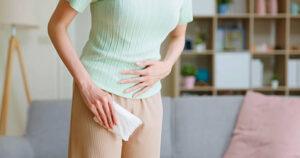
Zepbound can cause stomach pain, which might feel unsettling when you notice changes in your abdomen soon after starting the medication. These symptoms happen because the drug slows down digestion and changes appetite signals. They are not a sign of harm. Book a free consultation to talk through digestive symptoms.
Key Takeaways
- Stomach pain from Zepbound often shows that your digestion is adjusting.
- Where and when the pain occurs is more important than how bad it feels.
- Light cramping tends to get better as your body gets used to the medication.
- Pain that gets worse or does not go away should be checked by a doctor.
- A healthcare provider can help figure out if the symptoms are normal or need attention.
Zepbound Stomach Pain and Digestive Changes
Zepbound-related stomach pain happens because your digestion slows down, and your body needs time to adapt.
The medication slows down how food moves through your stomach and intestines. This can lead to pressure, a sense of fullness, or cramping after eating. These feelings are not the same as sharp pain and get better as your digestion adapts.
Many people notice this discomfort during the first few weeks or when doses are changed. As eating habits balance out and portion sizes adjust, most patients find that their stomach discomfort becomes less bothersome.
Let our team know how we can help with your goals!
Does Zepbound Cause Stomach Pain?
Zepbound can create stomach discomfort, but it comes from how your body adjusts rather than from any harm.
Most people feel mild or moderate digestive discomfort when their stomach slows down. This usually feels more like bloating, cramps, or pressure, not sharp pain. It happens because food stays in the stomach longer than usual.
Smaller meals or sometimes often improve mild stomach pain that comes with this adjustment. If pain worsens, moves around, or doesn’t go away, it needs to be checked by a doctor.
Where Zepbound Stomach Pain Shows Up Most
The spot where pain is felt can give helpful hints. Discomfort in the upper stomach often connects to food taking longer to leave the stomach, causing a full feeling. Cramps lower in the belly might be linked to changes in bowel habits. These feelings can shift as your digestion gets used to the changes.
People often feel generalized abdominal discomfort, with no specific area of pain. Pain that sticks to one spot, though, needs deeper attention. Doctors can use details about where and when the pain happens to decide what to do next.
To discuss our services, contact us today!
What Experts Say About Abdominal Pain Linked to Zepbound
Research highlights that certain medications that slow stomach function can cause abdominal discomfort. An article in Cureus stresses how crucial it is to check out long-lasting or intense pain instead of assuming it is harmless. Severe cases like these are rare, but being cautious ensures safety.
A larger review available in PubMed Central talks about how GLP-1-based drugs affect digestion speed, which may cause short-term discomfort while the body adjusts. With proper care and small changes, most of these issues go away.
Need help deciding? Fill out a contact form,and we’ll ensure you’re informed!
How Eating Habits Affect Stomach Pain
What and how you eat can have a big impact on Zepbound stomach pain. Eating large portions can make pain worse, as the stomach takes longer to empty. Greasy or rich foods often increase pressure and cramping, while smaller and balanced meals tend to help ease symptoms.
Skipping meals can also create problems. An empty stomach followed by eating late, can bring on more pain when food is consumed. Sticking to regular meals can help keep digestion comfortable. Protein is vital, but how much you eat at once also makes a difference.
Understanding Bowel Changes and Stomach Pain
Changes in bowel habits can lead to stomach discomfort.
Some people deal with slower digestion, which might cause bloating and a tight feeling in the lower stomach. Others might notice having looser stools during the early part of treatment. Both issues can result in cramping pain.
To ease bowel-related symptoms, patients could check out Zepbound diarrhea or Zepbound constipation, as changes in bowel habits often go hand in hand with stomach pain.
Drinking plenty of water and eating fiber-rich foods can help ease these uncomfortable feelings.
When You Should Get Zepbound Stomach Pain Checked
While most stomach pain gets better over time, some signs need more attention.
Worsening pain that does not stabilize needs a proper check-up. If the pain continues for weeks, it could mean there’s a deeper problem. Pain paired with symptoms like vomiting, high temperature, or intense bloating should be looked at.
If the pain is sharp and stays in one spot without getting better after eating or changing position, don’t ignore it. Getting it checked can help rule out uncommon but serious conditions.
How TrimBody M.D. Supports Patients with Zepbound Stomach Pain
TrimBody M.D. assists patients in understanding their stomach issues and addressing them throughout treatment. Instead of suppressing issues, we emphasize recognizing symptom patterns.
- Check where and when the pain happens
- Adjust diet to ease digestion
- Change doses if symptoms don’t go away
- Visit us at our Henderson clinic
Learning About Zepbound and Stomach Pain
Learning about Zepbound’s stomach pain helps people notice normal digestion changes while staying cautious about serious symptoms. Most stomach aches get better as eating habits settle and the body adapts. Doctors can help keep symptoms under control and ensure safety. Book a free consultation with us today.
Disclaimer: This article is for informational and educational purposes. Treatment decisions are made during an individual medical evaluation with a licensed provider. We provide compounded tirzepatide and are not affiliated with or endorsed by the manufacturers of Zepbound® or Mounjaro®.
FAQs about Zepbound Stomach Pain
Can Zepbound Stomach Pain Feel Sharp Or Severe
Most Zepbound-related stomach pain feels dull, crampy, or pressure-like. Sharp or worsening pain is not typical and should be checked by a clinician to rule out causes unrelated to digestive slowing.
Does Zepbound Stomach Pain Mean The Medication Is Unsafe
No. Mild stomach pain usually reflects digestive adjustment, not harm. Safety concerns arise only when pain persists, escalates, or comes with vomiting, fever, or inability to eat.
Can Meal Size Make Zepbound Stomach Pain Worse
Yes. Larger or heavier meals sit longer in the stomach and increase pressure. Smaller, evenly spaced meals usually reduce discomfort during treatment adjustments.
How Do I Know If Zepbound Stomach Pain Is Digestive Or Something Else
Digestive-related pain often improves with meal changes or time. Pain that stays in one spot, worsens daily, or interrupts daily function needs medical evaluation.
Should Zepbound Stomach Pain Stop Before The Next Dose
Often, yes. Many patients notice discomfort easing before the next injection as digestion adapts. Pain that continues across multiple weeks or doses should be reviewed for adjustment.
Call and talk to a specialist today! (702) 489-3300
Let our team know how we can help with your goals!

Get In Touch With Us
Schedule Your Free Consultation — Take Your First Step Today
 Henderson
Let our team of Medical Professionals help you achieve your body goals. Contact us Today!