
'%3e%3cpath%20d='M12.0979%2019.9987C10.6974%2019.9987%209.29703%2019.4657%208.2309%2018.3995L1.60176%2011.7704C0.568828%2010.7375%200%209.36414%200%207.9034C0%206.44262%200.568828%205.06934%201.6018%204.03641C2.51562%203.12254%204.00258%203.12262%204.91633%204.03637L7.12605%206.2461C8.03988%207.15992%208.03988%208.6468%207.12605%209.56067C6.97848%209.70821%206.89723%209.90442%206.89723%2010.1131C6.89723%2010.3218%206.97848%2010.5179%207.12602%2010.6655L9.33574%2012.8752C9.48328%2013.0228%209.67949%2013.1041%209.88816%2013.1041C10.0969%2013.1041%2010.293%2013.0228%2010.4406%2012.8753C11.3545%2011.9614%2012.8414%2011.9614%2013.7552%2012.8753L15.9649%2015.085C16.8787%2015.9988%2016.8787%2017.4857%2015.9649%2018.3995C14.8987%2019.4657%2013.4983%2019.9987%2012.0979%2019.9987ZM3.25906%204.91281C3.05898%204.91281%202.85895%204.98895%202.7066%205.14129C1.96883%205.87906%201.5625%206.86%201.5625%207.9034C1.5625%208.9468%201.96883%209.92774%202.7066%2010.6655L9.33574%2017.2947C10.8587%2018.8177%2013.337%2018.8177%2014.86%2017.2947C15.1646%2016.99%2015.1646%2016.4944%2014.86%2016.1898L12.6503%2013.9801C12.5028%2013.8325%2012.3066%2013.7513%2012.0979%2013.7513C11.8892%2013.7513%2011.693%2013.8325%2011.5455%2013.98C10.6316%2014.8939%209.14473%2014.8939%208.23086%2013.98L6.02117%2011.7703C5.57852%2011.3277%205.33473%2010.7391%205.33473%2010.113C5.33473%209.48703%205.57852%208.89844%206.02117%208.45578C6.16875%208.30824%206.25%208.11203%206.25%207.90336C6.25%207.69469%206.16875%207.49852%206.02117%207.35094L3.81148%205.14121C3.65918%204.98899%203.4591%204.91281%203.25906%204.91281Z'%20fill='black'/%3e%3cpath%20d='M9.5448%209.3168C9.25285%209.1959%209.0625%208.91102%209.0625%208.59504V0.782539C9.0625%200.351055%209.41227%200.00128937%209.84375%200.00128937H19.2188C19.6502%200.00128937%2020%200.351055%2020%200.782539V7.03254C20%207.46402%2019.6502%207.81379%2019.2188%207.81379H11.7298L10.3962%209.14746C10.1728%209.3709%209.83676%209.43773%209.5448%209.3168ZM10.625%201.56379V6.70895L10.8538%206.48012C11.0003%206.33359%2011.199%206.25129%2011.4062%206.25129H18.4375V1.56379H10.625Z'%20fill='black'/%3e%3cpath%20d='M12.9688%204.68879C13.4002%204.68879%2013.75%204.33901%2013.75%203.90754C13.75%203.47607%2013.4002%203.12629%2012.9688%203.12629C12.5373%203.12629%2012.1875%203.47607%2012.1875%203.90754C12.1875%204.33901%2012.5373%204.68879%2012.9688%204.68879Z'%20fill='black'/%3e%3cpath%20d='M16.0938%204.68879C16.5252%204.68879%2016.875%204.33901%2016.875%203.90754C16.875%203.47607%2016.5252%203.12629%2016.0938%203.12629C15.6623%203.12629%2015.3125%203.47607%2015.3125%203.90754C15.3125%204.33901%2015.6623%204.68879%2016.0938%204.68879Z'%20fill='black'/%3e%3c/g%3e%3cdefs%3e%3cclipPath%20id='clip0_6353_9'%3e%3crect%20width='20'%20height='20'%20fill='white'/%3e%3c/clipPath%3e%3c/defs%3e%3c/svg%3e)
'%3e%3cpath%20d='M10%2020C13.8389%2020%2017.0312%2018.3836%2017.0312%2016.0938C17.0312%2015.4405%2016.7592%2014.8022%2016.2444%2014.2478C15.9508%2013.9316%2015.4565%2013.9132%2015.1403%2014.2068C14.8241%2014.5004%2014.8058%2014.9947%2015.0994%2015.3109C15.3444%2015.5749%2015.4687%2015.8383%2015.4687%2016.0938C15.4687%2017.2001%2013.13%2018.4375%209.99996%2018.4375C6.86996%2018.4375%204.53121%2017.2001%204.53121%2016.0938C4.53121%2015.8382%204.65547%2015.5749%204.90055%2015.3109C5.19414%2014.9947%205.17582%2014.5004%204.85965%2014.2068C4.54348%2013.9133%204.04914%2013.9316%203.75555%2014.2477C3.24082%2014.8021%202.96875%2015.4405%202.96875%2016.0938C2.96875%2018.3803%206.15578%2020%2010%2020Z'%20fill='black'/%3e%3cpath%20d='M8.13172%2015.9465C8.57285%2016.5282%209.27023%2016.875%2010%2016.875C10.7298%2016.875%2011.4271%2016.5282%2011.8683%2015.9466L15.6293%2011.2402C16.5465%2010.0163%2017.0312%208.5609%2017.0312%207.03125C17.0312%203.15422%2013.877%200%2010%200C6.12297%200%202.96875%203.15422%202.96875%207.03125C2.96875%208.56094%203.45352%2010.0164%204.37063%2011.2402L8.13172%2015.9465ZM10%201.5625C13.0155%201.5625%2015.4688%204.01578%2015.4688%207.03125C15.4688%208.21648%2015.0944%209.34434%2014.386%2010.2938C14.386%2010.2938%2010.6309%2014.9924%2010.626%2014.9989C10.4766%2015.1982%2010.2484%2015.3125%2010%2015.3125C9.75156%2015.3125%209.5234%2015.1982%209.37402%2014.9989C9.36914%2014.9923%209.36418%2014.9859%209.3591%2014.9796L5.61395%2010.2937C4.90559%209.34434%204.53125%208.21652%204.53125%207.03125C4.53125%204.01578%206.98453%201.5625%2010%201.5625Z'%20fill='black'/%3e%3cpath%20d='M10%2010.9375C12.1539%2010.9375%2013.9062%209.18516%2013.9062%207.03125C13.9062%204.87734%2012.1539%203.125%2010%203.125C7.84609%203.125%206.09375%204.87734%206.09375%207.03125C6.09375%209.18516%207.84609%2010.9375%2010%2010.9375ZM10%204.6875C11.2923%204.6875%2012.3438%205.73891%2012.3438%207.03125C12.3438%208.32359%2011.2923%209.375%2010%209.375C8.70766%209.375%207.65625%208.32359%207.65625%207.03125C7.65625%205.73891%208.70766%204.6875%2010%204.6875Z'%20fill='black'/%3e%3c/g%3e%3cdefs%3e%3cclipPath%20id='clip0_6353_60'%3e%3crect%20width='20'%20height='20'%20fill='white'/%3e%3c/clipPath%3e%3c/defs%3e%3c/svg%3e)

'%3e%3ccircle%20cx='321'%20cy='321'%20r='276'%20transform='matrix(-1%200%200%201%20481%200)'%20stroke='%23E5DFD3'%20stroke-width='90'/%3e%3c/g%3e%3cdefs%3e%3cclipPath%20id='clip0_6046_3421'%3e%3crect%20width='481'%20height='413'%20fill='white'%20transform='matrix(-1%200%200%201%20481%200)'/%3e%3c/clipPath%3e%3c/defs%3e%3c/svg%3e)
Why Am I Not Losing Weight On Ozempic
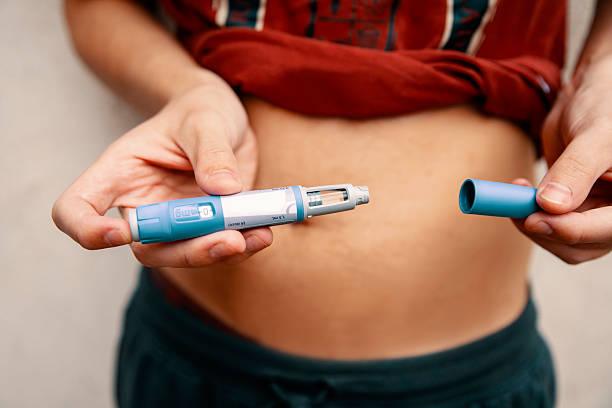
Ozempic, also called semaglutide, has been a game-changer in helping thousands manage their appetite and improve metabolism to shed extra pounds. But if the numbers on your scale aren’t budging the way you thought they would, you’re not the only one.
At TrimBody M.D., we’ve seen many patients face similar challenges. The issue isn’t always with the medication itself. Often, other overlooked reasons come into play.
Key takeaways:
- Ozempic works well when combined with specific lifestyle changes.
- Plateaus can happen because of unrealistic goals or eating habits.
- Hormonal resistance, gut problems, or poor sleep can block progress.
- Eating too much healthy food or missing meals might slow down fat loss.
- Medical input can reveal issues like insulin resistance or thyroid problems.
If you’re wondering, “Why am I not losing weight on Ozempic?” This guide can help you figure out what’s blocking your progress and how to fix it.
Why Is Ozempic Not Working For Me To Lose Weight?
Ozempic users often ask this question the most, and it makes sense why. Many hear success stories and think weight loss will happen fast. When the numbers on the scale stay the same, they feel let down.
There could be a few supported reasons behind this:
You Might Be Eating Too Little Or Focusing On The Wrong Types Of Food
Semaglutide lowers hunger, which might cause some to eat so little that their metabolism slows down. Others might believe the shot allows them to eat more and make poor food choices. Both of these habits can block fat loss. However, a controlled trial showed semaglutide reduced caloric intake by 24% while hunger and cravings dropped, without slowing metabolism.
Your Dose Might Still Be Too Low
Doctors increase Ozempic doses to lower side effects. If you’re taking a smaller amount like 0.25 mg or 0.5 mg, it might not curb your hunger or regulate blood sugar yet. Clinicians, according to NCBI, follow a gradual escalation strategy, starting from 0.25 mg to reduce the likelihood of side effects while increasing appetite suppression and blood‑sugar control over time.
Your Metabolism Isn’t On Track Yet
People dealing with insulin resistance, thyroid issues, or PCOS may need extra time and medical help to shed weight. Ozempic helps by boosting insulin sensitivity, but it does not replace proper care for overall metabolism.
How Can I Speed Up Weight Loss On Ozempic?
If you’re losing weight, you can try proven methods to enhance fat loss while using semaglutide.
Monitor What You Eat And Protein Amounts
A lot of people eat too little protein or end up consuming sugars they don’t realize are there. Keeping track of what you eat helps you notice these habits and might explain why your weight isn’t changing. Adding vitamin support like B12 shots may also boost energy while cutting calories.
Goal: Aim to get 1 gram of protein for every pound of your ideal weight. Keep your daily sugar intake under 25 grams.
Boost Muscle With Strength Training
Ozempic helps reduce hunger, but it doesn’t stop muscle loss. Losing muscle can slow down weight loss and hurt progress in the long run.
Plan: Try doing strength exercises 2 to 3 times a week. You can use bodyweight, resistance bands, or dumbbells.
Watch Fiber And Stay Hydrated
Fiber helps with feeling full and supports gut health, which can enhance semaglutide’s effectiveness. Not drinking enough water leads to bloating low energy, and a sluggish metabolism.
Simple tip: Try to get 25–35 grams of fiber and drink 70–100 ounces of water every day.
Get 7–9 Hours Of Sleep
Not enough sleep increases the hunger hormone ghrelin and decreases how well your body handles insulin. Both of these can work against what Ozempic does.
What could help: Avoid screens before bedtime and try relaxing instead. Supplements like magnesium glycinate or melatonin might help with sleep patterns.
Limit Alcohol And Skip Sugar Substitutes
Low-calorie drinks might lead to cravings or mess with digestion. Using artificial sweeteners could result in bloating and slow down weight loss.
Why Am I Gaining Weight On Ozempic?
Although it seems surprising, some people notice weight gain after starting Ozempic. Here’s what might explain that.
Gaining Muscle Mass
Exercise can add lean muscle, which might increase your weight on the scale. Research in mice found that while weight loss from semaglutide reduced lean mass, much of it came from organ shrinkage—and some muscles weakened even without shrinking. This happens if your body is also dealing with inflammation. This is not fat gain, and it shows progress.
Holding Onto Water Or Feeling Bloated
Using semaglutide may slow how the stomach empties. This delay can lead to temporary bloating, which might make the scale show a higher number. It isn’t real weight gain, just a momentary change.
Eating Due To Emotions Even With Less Hunger
Even though Ozempic lowers physical hunger, it doesn’t stop emotional eating. Stress, boredom, or ingrained habits can still push people to snack, which might add weight.
Issues With Gut Health And Digestion
Semaglutide changes digestion and affects gut bacteria. Disruptions in the gut can limit how well nutrients are absorbed and, over time, might increase weight.
Hormonal Imbalances Or Other Medications
Some medications or hormone problems, like high cortisol levels or reduced estrogen or testosterone, can work against what Ozempic does and reduce its effectiveness.
What To Do If Ozempic Is No Longer Enough
If you’ve stopped losing weight or gained some back, don’t be discouraged. Maybe your body just needs a more tailored and thought-out plan. At our clinic, we know combining different medical weight loss methods can lead to real progress. Here’s what you can do next:
- See a weight loss expert: You need someone who understands both how Ozempic works and how your body processes it.
- Do full lab tests: Checking things like hormones, insulin, and thyroid can uncover less obvious obstacles.
- Follow a structured plan: Things like eating habits, drinking enough water, getting rest, and managing stress all matter for better results.
- Stay patient as you make progress: Losing weight in a healthy way takes time. Even if the scale doesn’t change right away, your body is still adjusting.
Why Patients Trust TrimBody M.D. with Ozempic Success
At TrimBody M.D., we provide structured medical programs with expert supervision and real-time support. We’ve already helped more than 30,000 patients improve their health. When Ozempic seems to stop working, our licensed experts check, track, and tweak things until your body starts to respond.
Still Trying To Figure It Out? Real Change Might Be Closer Than You Think
If you’ve been asking yourself “why am I not losing weight on Ozempic,” it might be time to get the right guidance to make real progress. A tailored medical plan can help you break through that standstill. Thousands have already seen results, and you can too. Book your free consultation today.
Frequently Asked Questions
Can I Be Resistant To Ozempic?
Yes, some individuals might not see full effects due to things like insulin resistance, thyroid conditions, or gut health issues.
How Long Before Ozempic Start Working For Weight Loss?
Most people see changes in their appetite during the first week or two. Noticeable weight loss starts after reaching the full dose, which happens between 8 and 12 weeks.
Do I Still Need To Diet On Ozempic?
Yes. While Ozempic helps reduce hunger, it doesn’t take the place of healthy eating. Following a proper meal plan is necessary to lose fat long-term and maintain a balanced metabolism.
Can Ozempic Cause Weight Gain Instead?
In rare cases, gaining weight could be due to holding onto fluids, eating too many calorie-dense foods, or hormonal issues. You can fix this fast by reviewing habits and seeking medical advice.
What If I’m Losing Inches But Not Pounds On Ozempic?
This shows you are losing fat while adding muscle or holding on to water. It’s a good signal that your body is changing, not struggling.
Let our team know how we can help with your goals!

Get In Touch With Us
Schedule Your Free Consultation — Take Your First Step Today
 Henderson
Let our team of Medical Professionals help you achieve your body goals. Contact us Today!