
'%3e%3cpath%20d='M12.0979%2019.9987C10.6974%2019.9987%209.29703%2019.4657%208.2309%2018.3995L1.60176%2011.7704C0.568828%2010.7375%200%209.36414%200%207.9034C0%206.44262%200.568828%205.06934%201.6018%204.03641C2.51562%203.12254%204.00258%203.12262%204.91633%204.03637L7.12605%206.2461C8.03988%207.15992%208.03988%208.6468%207.12605%209.56067C6.97848%209.70821%206.89723%209.90442%206.89723%2010.1131C6.89723%2010.3218%206.97848%2010.5179%207.12602%2010.6655L9.33574%2012.8752C9.48328%2013.0228%209.67949%2013.1041%209.88816%2013.1041C10.0969%2013.1041%2010.293%2013.0228%2010.4406%2012.8753C11.3545%2011.9614%2012.8414%2011.9614%2013.7552%2012.8753L15.9649%2015.085C16.8787%2015.9988%2016.8787%2017.4857%2015.9649%2018.3995C14.8987%2019.4657%2013.4983%2019.9987%2012.0979%2019.9987ZM3.25906%204.91281C3.05898%204.91281%202.85895%204.98895%202.7066%205.14129C1.96883%205.87906%201.5625%206.86%201.5625%207.9034C1.5625%208.9468%201.96883%209.92774%202.7066%2010.6655L9.33574%2017.2947C10.8587%2018.8177%2013.337%2018.8177%2014.86%2017.2947C15.1646%2016.99%2015.1646%2016.4944%2014.86%2016.1898L12.6503%2013.9801C12.5028%2013.8325%2012.3066%2013.7513%2012.0979%2013.7513C11.8892%2013.7513%2011.693%2013.8325%2011.5455%2013.98C10.6316%2014.8939%209.14473%2014.8939%208.23086%2013.98L6.02117%2011.7703C5.57852%2011.3277%205.33473%2010.7391%205.33473%2010.113C5.33473%209.48703%205.57852%208.89844%206.02117%208.45578C6.16875%208.30824%206.25%208.11203%206.25%207.90336C6.25%207.69469%206.16875%207.49852%206.02117%207.35094L3.81148%205.14121C3.65918%204.98899%203.4591%204.91281%203.25906%204.91281Z'%20fill='black'/%3e%3cpath%20d='M9.5448%209.3168C9.25285%209.1959%209.0625%208.91102%209.0625%208.59504V0.782539C9.0625%200.351055%209.41227%200.00128937%209.84375%200.00128937H19.2188C19.6502%200.00128937%2020%200.351055%2020%200.782539V7.03254C20%207.46402%2019.6502%207.81379%2019.2188%207.81379H11.7298L10.3962%209.14746C10.1728%209.3709%209.83676%209.43773%209.5448%209.3168ZM10.625%201.56379V6.70895L10.8538%206.48012C11.0003%206.33359%2011.199%206.25129%2011.4062%206.25129H18.4375V1.56379H10.625Z'%20fill='black'/%3e%3cpath%20d='M12.9688%204.68879C13.4002%204.68879%2013.75%204.33901%2013.75%203.90754C13.75%203.47607%2013.4002%203.12629%2012.9688%203.12629C12.5373%203.12629%2012.1875%203.47607%2012.1875%203.90754C12.1875%204.33901%2012.5373%204.68879%2012.9688%204.68879Z'%20fill='black'/%3e%3cpath%20d='M16.0938%204.68879C16.5252%204.68879%2016.875%204.33901%2016.875%203.90754C16.875%203.47607%2016.5252%203.12629%2016.0938%203.12629C15.6623%203.12629%2015.3125%203.47607%2015.3125%203.90754C15.3125%204.33901%2015.6623%204.68879%2016.0938%204.68879Z'%20fill='black'/%3e%3c/g%3e%3cdefs%3e%3cclipPath%20id='clip0_6353_9'%3e%3crect%20width='20'%20height='20'%20fill='white'/%3e%3c/clipPath%3e%3c/defs%3e%3c/svg%3e)
'%3e%3cpath%20d='M10%2020C13.8389%2020%2017.0312%2018.3836%2017.0312%2016.0938C17.0312%2015.4405%2016.7592%2014.8022%2016.2444%2014.2478C15.9508%2013.9316%2015.4565%2013.9132%2015.1403%2014.2068C14.8241%2014.5004%2014.8058%2014.9947%2015.0994%2015.3109C15.3444%2015.5749%2015.4687%2015.8383%2015.4687%2016.0938C15.4687%2017.2001%2013.13%2018.4375%209.99996%2018.4375C6.86996%2018.4375%204.53121%2017.2001%204.53121%2016.0938C4.53121%2015.8382%204.65547%2015.5749%204.90055%2015.3109C5.19414%2014.9947%205.17582%2014.5004%204.85965%2014.2068C4.54348%2013.9133%204.04914%2013.9316%203.75555%2014.2477C3.24082%2014.8021%202.96875%2015.4405%202.96875%2016.0938C2.96875%2018.3803%206.15578%2020%2010%2020Z'%20fill='black'/%3e%3cpath%20d='M8.13172%2015.9465C8.57285%2016.5282%209.27023%2016.875%2010%2016.875C10.7298%2016.875%2011.4271%2016.5282%2011.8683%2015.9466L15.6293%2011.2402C16.5465%2010.0163%2017.0312%208.5609%2017.0312%207.03125C17.0312%203.15422%2013.877%200%2010%200C6.12297%200%202.96875%203.15422%202.96875%207.03125C2.96875%208.56094%203.45352%2010.0164%204.37063%2011.2402L8.13172%2015.9465ZM10%201.5625C13.0155%201.5625%2015.4688%204.01578%2015.4688%207.03125C15.4688%208.21648%2015.0944%209.34434%2014.386%2010.2938C14.386%2010.2938%2010.6309%2014.9924%2010.626%2014.9989C10.4766%2015.1982%2010.2484%2015.3125%2010%2015.3125C9.75156%2015.3125%209.5234%2015.1982%209.37402%2014.9989C9.36914%2014.9923%209.36418%2014.9859%209.3591%2014.9796L5.61395%2010.2937C4.90559%209.34434%204.53125%208.21652%204.53125%207.03125C4.53125%204.01578%206.98453%201.5625%2010%201.5625Z'%20fill='black'/%3e%3cpath%20d='M10%2010.9375C12.1539%2010.9375%2013.9062%209.18516%2013.9062%207.03125C13.9062%204.87734%2012.1539%203.125%2010%203.125C7.84609%203.125%206.09375%204.87734%206.09375%207.03125C6.09375%209.18516%207.84609%2010.9375%2010%2010.9375ZM10%204.6875C11.2923%204.6875%2012.3438%205.73891%2012.3438%207.03125C12.3438%208.32359%2011.2923%209.375%2010%209.375C8.70766%209.375%207.65625%208.32359%207.65625%207.03125C7.65625%205.73891%208.70766%204.6875%2010%204.6875Z'%20fill='black'/%3e%3c/g%3e%3cdefs%3e%3cclipPath%20id='clip0_6353_60'%3e%3crect%20width='20'%20height='20'%20fill='white'/%3e%3c/clipPath%3e%3c/defs%3e%3c/svg%3e)

'%3e%3ccircle%20cx='321'%20cy='321'%20r='276'%20transform='matrix(-1%200%200%201%20481%200)'%20stroke='%23E5DFD3'%20stroke-width='90'/%3e%3c/g%3e%3cdefs%3e%3cclipPath%20id='clip0_6046_3421'%3e%3crect%20width='481'%20height='413'%20fill='white'%20transform='matrix(-1%200%200%201%20481%200)'/%3e%3c/clipPath%3e%3c/defs%3e%3c/svg%3e)
What To Eat On GLP 1?
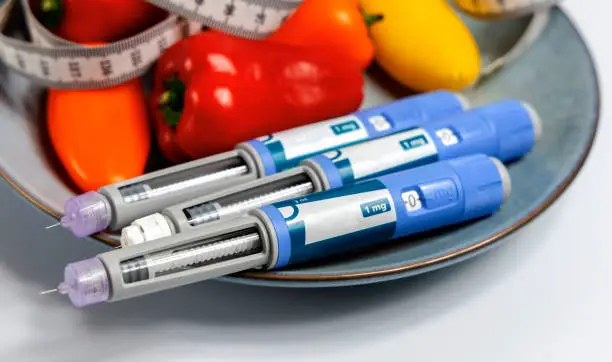
Using GLP-1 medications brings up an important question: what to eat on glp 1? Medications like semaglutide and tirzepatide change how your body handles digestion and appetite, so food decisions matter more than before. Eating smart can help reduce nausea, promote steady weight loss, and support better health.
Most patients prefer clear, actionable steps instead of broad advice. Knowing what to eat on GLP-1 means learning which foods ease digestion, keep energy steady, and complement the medication’s benefits.
Key Takeaways
- Focus on lean proteins, veggies, and whole foods with fiber.
- Take your time eating and stick to smaller meals to avoid feeling uncomfortable.
- Stay away from fried, oily, or sugary foods because they can make side effects worse.
- Start your day with protein and fiber since they help control hunger.
- Some natural foods might help the body increase GLP-1 activity.
What Should I Eat While On GLP-1?
GLP-1 medications slow down how the stomach empties, so food stays there longer. This can make you feel full faster, but heavy meals might make you feel nauseous. Sticking to a lighter, nutrient-packed diet can ease these problems and keep the treatment working well.
According to the Cleveland Clinic, choosing lean proteins and avoiding spicy, fatty, or highly processed foods helps reduce GI side effects and supports better outcomes.
Focus on these food groups:
- Lean proteins: chicken, turkey, fish, tofu, and beans.
- Vegetables rich in fiber: spinach, broccoli, cauliflower, and carrots.
- Whole grains: quinoa, brown rice, and oats.
- Fats that are healthy: avocado, olive oil, and a small amount of nuts.
What To Eat For Breakfast On GLP-1?
Breakfast sets the tone when you’re on GLP-1 therapy. Protein and fiber help you feel full longer and stop you from getting hungry before lunch. A few good choices include:
- Spinach scrambled eggs paired with whole-grain toast.
- Greek yogurt topped with berries and chia seeds.
- Overnight oats made with almond milk and a sprinkle of walnuts.
- A protein smoothie with kale and banana works well.
Stay away from pastries, sugary cereals, or sweet coffee drinks. These can mess with digestion and cause blood sugar spikes.
Steady Eating Habits While Using GLP-1
Eating slowly and sticking to smaller meal sizes matches how this medication works. Smaller portions often feel easier, but skipping planning could mean missing out on key nutrients. Helpful ideas:
- Split meals into 4 or 5 smaller servings throughout the day.
- Drink water in small sips between meals rather than gulping while eating.
- Build balanced meals by filling your plate with half veggies, a quarter lean proteins, and a quarter whole grains.
People say they feel their best with meals that are colorful, diverse, and packed with nutrients.
What Food Has The Highest GLP-1?
Certain foods help your body release GLP-1. They won’t replace medication, but they can help you manage hunger and keep your blood sugar steady.
Some examples are:
- Foods high in fiber: apples, pears, lentils, and beans.
- Sources of protein: eggs, lean meat, and whey protein.
- Fermented options: kimchi, sauerkraut, and kefir.
- Greens with a bitter taste: dandelion leaves and arugula.
Eating these foods can help keep you fuller, improve gut health, and work well with ongoing treatments prescribed by doctors.
Foods You Might Want to Cut Down or Avoid
GLP-1 slows down how your stomach processes food, which can result in some foods sitting too long and causing issues like feeling sick, bloated, or dealing with acid reflux. People can still enjoy treats sometimes, but should try to reduce these:
- Anything deep-fried, like fries or fried chicken.
- Sweets include sugary drinks, candy, and baked desserts.
- Large amounts of red meat or fatty cuts.
- Drinking too much alcohol messes with digestion and blood sugar. Drinking too much alcohol can make nausea worse and throw off blood sugar control, as explained in our guide.
Swapping these for lighter options with more protein or fiber can help avoid digestive trouble and assist with weight loss goals.
Simple Meal Ideas
Here are some meal ideas to plan your day:
Breakfast:
- An egg white omelet loaded with spinach and mushrooms.
- Cottage cheese with some pineapple on the side. Choose low-fat options.
Lunch:
- A quinoa salad with tomatoes, cucumber, chickpeas, and a touch of lemon.
- Grilled salmon served alongside wild rice and steamed broccoli.
Dinner:
- Oven-baked chicken breast paired with roasted carrots and zucchini.
- Turkey chili made with beans and fresh peppers.
Snacks:
- Sliced apple paired with almond butter.
- Fresh celery sticks dipped in hummus.
These meal ideas keep digestion simple and help maintain balance while supporting GLP-1 treatments.
GLP-1 Nutrient Focus
Certain nutrients play a big role in staying healthy and comfortable during GLP-1 use.
- Protein: helps stop muscle breakdown and keeps you feeling full.
- Fiber: aids digestion and keeps blood sugar stable.
- Healthy fats: give lasting energy without feeling too heavy.
- Micronutrients: supply key vitamins and minerals from fresh greens and bright fruits.
Keeping a food diary or using an app lets you figure out what works best for your needs. The American College of Cardiology also highlights how balanced nutrition and lifestyle strategies enhance GLP-1 therapy outcomes.
How To Stay Your Best Using GLP-1
Tips that help include:
- Sip water through the day to aid digestion.
- Limit drinking alcohol because it can raise your nausea and mess with blood sugar levels.
- Get good sleep to help with recovery and keeping your appetite steady.
- Stay moving by trying walks, some stretches, or light strength exercises.
- Lower stress by using mindfulness, deep breathing, or taking quiet breaks alone.
Staying rested matters too, since many patients ask about GLP-1 fatigue and how to manage it.
How TrimBody M.D. Supports GLP-1 Nutrition
TrimBody M.D. gives patients advice on eating while on GLP-1 treatment. They combine medical knowledge and practical tips to make the process safer and work better.
Benefits include:
- Clear guidance on meals to match GLP-1 therapy
- Check-ins to ease nausea, bloating, or other discomfort
- Smart use of supplements to keep nutrition balanced
- Learning portion sizes and meal timing
- Accessing clinicians to get ongoing help
Better Choices To See Long-Term GLP-1 Benefits
What to eat on glp 1 isn’t about strict limits but making wise picks. You can focus on foods like lean proteins, plenty of fiber-rich veggies, and smaller meals that are well-balanced. This approach lessens side effects and enhances the therapy’s effectiveness.
Sticking to it makes GLP-1 treatments work better and helps with steady weight loss, along with improved health. Looking for advice? Contact TrimBody M.D. today to create your own personalized GLP-1 eating plan.
Frequently Asked Questions
Can I Eat Fruit While Using GLP-1?
Yes, fruit is okay to eat with GLP-1. Pick low-sugar fruits like berries, apples, or pears to help with digestion and keep blood sugar levels steady.
Is It Okay To Drink Coffee When Using GLP-1?
Coffee is fine when you’re on GLP-1. Try skipping heavy cream or sugar, since those can lead to nausea or an upset stomach.
Should I Take Supplements While On GLP-1?
Supplements aren’t always necessary with GLP-1 treatment. Some people might need extra vitamins or protein, but a doctor should recommend this.
Can I Still Dine Out On GLP-1?
Yes, you can still eat out while taking GLP-1. Choose grilled meats, veggies, and keep your portions smaller to enjoy social meals without discomfort.
What Happens If I Skip A Meal On GLP-1?
Skipping meals could make you feel more nauseous or leave you with less energy when using GLP-1.
Let our team know how we can help with your goals!

Get In Touch With Us
Schedule Your Free Consultation — Take Your First Step Today
 Henderson
Let our team of Medical Professionals help you achieve your body goals. Contact us Today!