
'%3e%3cpath%20d='M12.0979%2019.9987C10.6974%2019.9987%209.29703%2019.4657%208.2309%2018.3995L1.60176%2011.7704C0.568828%2010.7375%200%209.36414%200%207.9034C0%206.44262%200.568828%205.06934%201.6018%204.03641C2.51562%203.12254%204.00258%203.12262%204.91633%204.03637L7.12605%206.2461C8.03988%207.15992%208.03988%208.6468%207.12605%209.56067C6.97848%209.70821%206.89723%209.90442%206.89723%2010.1131C6.89723%2010.3218%206.97848%2010.5179%207.12602%2010.6655L9.33574%2012.8752C9.48328%2013.0228%209.67949%2013.1041%209.88816%2013.1041C10.0969%2013.1041%2010.293%2013.0228%2010.4406%2012.8753C11.3545%2011.9614%2012.8414%2011.9614%2013.7552%2012.8753L15.9649%2015.085C16.8787%2015.9988%2016.8787%2017.4857%2015.9649%2018.3995C14.8987%2019.4657%2013.4983%2019.9987%2012.0979%2019.9987ZM3.25906%204.91281C3.05898%204.91281%202.85895%204.98895%202.7066%205.14129C1.96883%205.87906%201.5625%206.86%201.5625%207.9034C1.5625%208.9468%201.96883%209.92774%202.7066%2010.6655L9.33574%2017.2947C10.8587%2018.8177%2013.337%2018.8177%2014.86%2017.2947C15.1646%2016.99%2015.1646%2016.4944%2014.86%2016.1898L12.6503%2013.9801C12.5028%2013.8325%2012.3066%2013.7513%2012.0979%2013.7513C11.8892%2013.7513%2011.693%2013.8325%2011.5455%2013.98C10.6316%2014.8939%209.14473%2014.8939%208.23086%2013.98L6.02117%2011.7703C5.57852%2011.3277%205.33473%2010.7391%205.33473%2010.113C5.33473%209.48703%205.57852%208.89844%206.02117%208.45578C6.16875%208.30824%206.25%208.11203%206.25%207.90336C6.25%207.69469%206.16875%207.49852%206.02117%207.35094L3.81148%205.14121C3.65918%204.98899%203.4591%204.91281%203.25906%204.91281Z'%20fill='black'/%3e%3cpath%20d='M9.5448%209.3168C9.25285%209.1959%209.0625%208.91102%209.0625%208.59504V0.782539C9.0625%200.351055%209.41227%200.00128937%209.84375%200.00128937H19.2188C19.6502%200.00128937%2020%200.351055%2020%200.782539V7.03254C20%207.46402%2019.6502%207.81379%2019.2188%207.81379H11.7298L10.3962%209.14746C10.1728%209.3709%209.83676%209.43773%209.5448%209.3168ZM10.625%201.56379V6.70895L10.8538%206.48012C11.0003%206.33359%2011.199%206.25129%2011.4062%206.25129H18.4375V1.56379H10.625Z'%20fill='black'/%3e%3cpath%20d='M12.9688%204.68879C13.4002%204.68879%2013.75%204.33901%2013.75%203.90754C13.75%203.47607%2013.4002%203.12629%2012.9688%203.12629C12.5373%203.12629%2012.1875%203.47607%2012.1875%203.90754C12.1875%204.33901%2012.5373%204.68879%2012.9688%204.68879Z'%20fill='black'/%3e%3cpath%20d='M16.0938%204.68879C16.5252%204.68879%2016.875%204.33901%2016.875%203.90754C16.875%203.47607%2016.5252%203.12629%2016.0938%203.12629C15.6623%203.12629%2015.3125%203.47607%2015.3125%203.90754C15.3125%204.33901%2015.6623%204.68879%2016.0938%204.68879Z'%20fill='black'/%3e%3c/g%3e%3cdefs%3e%3cclipPath%20id='clip0_6353_9'%3e%3crect%20width='20'%20height='20'%20fill='white'/%3e%3c/clipPath%3e%3c/defs%3e%3c/svg%3e)
'%3e%3cpath%20d='M10%2020C13.8389%2020%2017.0312%2018.3836%2017.0312%2016.0938C17.0312%2015.4405%2016.7592%2014.8022%2016.2444%2014.2478C15.9508%2013.9316%2015.4565%2013.9132%2015.1403%2014.2068C14.8241%2014.5004%2014.8058%2014.9947%2015.0994%2015.3109C15.3444%2015.5749%2015.4687%2015.8383%2015.4687%2016.0938C15.4687%2017.2001%2013.13%2018.4375%209.99996%2018.4375C6.86996%2018.4375%204.53121%2017.2001%204.53121%2016.0938C4.53121%2015.8382%204.65547%2015.5749%204.90055%2015.3109C5.19414%2014.9947%205.17582%2014.5004%204.85965%2014.2068C4.54348%2013.9133%204.04914%2013.9316%203.75555%2014.2477C3.24082%2014.8021%202.96875%2015.4405%202.96875%2016.0938C2.96875%2018.3803%206.15578%2020%2010%2020Z'%20fill='black'/%3e%3cpath%20d='M8.13172%2015.9465C8.57285%2016.5282%209.27023%2016.875%2010%2016.875C10.7298%2016.875%2011.4271%2016.5282%2011.8683%2015.9466L15.6293%2011.2402C16.5465%2010.0163%2017.0312%208.5609%2017.0312%207.03125C17.0312%203.15422%2013.877%200%2010%200C6.12297%200%202.96875%203.15422%202.96875%207.03125C2.96875%208.56094%203.45352%2010.0164%204.37063%2011.2402L8.13172%2015.9465ZM10%201.5625C13.0155%201.5625%2015.4688%204.01578%2015.4688%207.03125C15.4688%208.21648%2015.0944%209.34434%2014.386%2010.2938C14.386%2010.2938%2010.6309%2014.9924%2010.626%2014.9989C10.4766%2015.1982%2010.2484%2015.3125%2010%2015.3125C9.75156%2015.3125%209.5234%2015.1982%209.37402%2014.9989C9.36914%2014.9923%209.36418%2014.9859%209.3591%2014.9796L5.61395%2010.2937C4.90559%209.34434%204.53125%208.21652%204.53125%207.03125C4.53125%204.01578%206.98453%201.5625%2010%201.5625Z'%20fill='black'/%3e%3cpath%20d='M10%2010.9375C12.1539%2010.9375%2013.9062%209.18516%2013.9062%207.03125C13.9062%204.87734%2012.1539%203.125%2010%203.125C7.84609%203.125%206.09375%204.87734%206.09375%207.03125C6.09375%209.18516%207.84609%2010.9375%2010%2010.9375ZM10%204.6875C11.2923%204.6875%2012.3438%205.73891%2012.3438%207.03125C12.3438%208.32359%2011.2923%209.375%2010%209.375C8.70766%209.375%207.65625%208.32359%207.65625%207.03125C7.65625%205.73891%208.70766%204.6875%2010%204.6875Z'%20fill='black'/%3e%3c/g%3e%3cdefs%3e%3cclipPath%20id='clip0_6353_60'%3e%3crect%20width='20'%20height='20'%20fill='white'/%3e%3c/clipPath%3e%3c/defs%3e%3c/svg%3e)

'%3e%3ccircle%20cx='321'%20cy='321'%20r='276'%20transform='matrix(-1%200%200%201%20481%200)'%20stroke='%23E5DFD3'%20stroke-width='90'/%3e%3c/g%3e%3cdefs%3e%3cclipPath%20id='clip0_6046_3421'%3e%3crect%20width='481'%20height='413'%20fill='white'%20transform='matrix(-1%200%200%201%20481%200)'/%3e%3c/clipPath%3e%3c/defs%3e%3c/svg%3e)
Can You Drink On GLP 1? What You Should Know
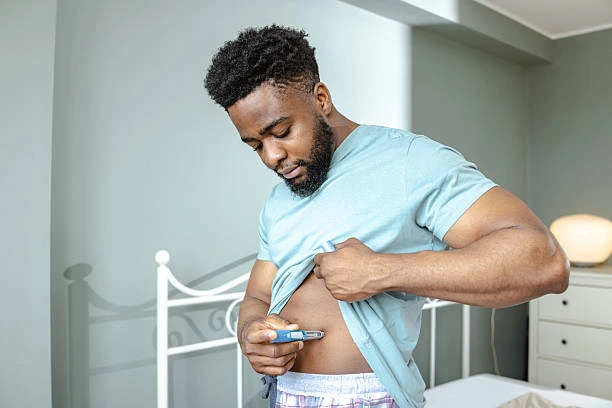
Many people use alcohol, so it’s natural to ask if it’s safe to drink while on GLP-1 medications. Wondering can you drink on group 1 isn’t just about curiosity. It’s about looking after your health, sticking to your treatment goals, and keeping your weight under control in the long run. At TrimBody M.D., we’ve observed how alcohol use with GLP-1 medications affects patients. Knowing the risks can help you make better decisions.
Key Takeaways
- Using alcohol can affect how you manage blood sugar when taking GLP-1.
- Alcohol has the potential to intensify side effects, including nausea and vomiting.
- Timing and moderation are more important than cutting out alcohol.
- Occasional drinking and regular drinking carry different health concerns.
- Getting advice from a doctor is vital before mixing alcohol with medication.
Can You Drink Alcohol While Taking GLP-1?
The short answer is yes, but you need to be careful. Drugs like GLP-1 receptor agonists, such as semaglutide and tirzepatide, slow how fast your stomach empties. These medications change how food and alcohol move through your system. Alcohol, at the same time, can lower your blood sugar and upset your stomach. When added together, the effects may lead to worse nausea, vomiting, or unexpected changes in blood sugar. Clinical reviews also note that GLP-1 receptor agonists slow gastric emptying and alter glucose control, which may intensify alcohol’s impact on the stomach and blood sugar.
Drinking alcohol while using GLP-1 therapy isn’t off the table, but keeping it in check is very important. People who drink a lot or regularly might see their weight-loss efforts suffer or even go backward. To avoid complications with diabetes, alcohol increases the chance of low blood sugar alongside medications that lower glucose.
Doctors recommend avoiding binge drinking and suggest people limit their alcohol intake as much as possible. Drinking with GLP-1 isn’t a simple “yes” or “no” answer but depends on how often, when, and how much someone can handle.
How Alcohol Changes GLP-1 Side Effects
The stomach and intestines are often the areas where GLP-1 medications cause problems. Nausea, slow digestion, bloating, and acid reflux occur in the first few weeks of taking these drugs. Drinking alcohol can irritate the stomach, which makes these issues feel worse.
- Nausea, vomiting, and fatigue: Drinking alcohol can make the sick feeling tied to GLP-1 even worse. Along with nausea, many patients also ask how to manage GLP-1 fatigue when balancing treatment and lifestyle.
- Dehydration: Alcohol makes the body lose more fluids, which can make you feel more lightheaded or dizzy.
- Slower digestion: Using alcohol and GLP-1 together can lead to more bloating or belly discomfort.
A big issue to watch out for is how many calories you take in. Alcohol piles on calories that don’t give your body any real nutrients. Drinking even a little can add a lot of extra energy, which makes losing weight tougher. It gets harder to keep a calorie deficit when alcohol is involved.
Dangers of Heavy or Regular Drinking With GLP-1
Drinking in small amounts is okay if a doctor says so, but drinking often brings more problems. Alcohol messes with how the liver works, and the liver also deals with GLP-1 medications. When you drink too much, the liver gets overworked, triglycerides go up, and issues like fatty liver disease can become worse.
Patients with type 2 diabetes face extra challenges in managing glucose levels when they drink often. Low blood sugar can develop hours after alcohol is consumed, which becomes risky if it happens during sleep. Drinking also disrupts focus and discipline, which makes it harder to stick with healthy food choices.
In general, drinking too much cancels out many of the benefits that GLP-1 aims to provide, including controlling appetite and improving metabolism. Some studies even explore how GLP-1 may reduce addiction cravings, including alcohol use disorder, showing another side of its impact on behavior. At the same time, new clinical findings show semaglutide may actually reduce alcohol cravings and drinking behavior in those with alcohol use disorder.
How to Drink with GLP-1
Patients who decide to drink now and then can take steps to lower risks and stay on track:
- Eat a meal high in protein before having alcohol.
- Skip sugary drinks that cause blood sugar spikes and drops.
- Women should stick to one drink and men to two each time they drink.
- Sip your drinks and have water in between to keep hydrated.
- If your doctor recommends it, plan alcohol on days when you do not take medication injections.
Lifestyle and Long-Term Goals
GLP-1 medications work best when paired with lifestyle adjustments. Alcohol use often gets in the way of these changes when aiming to improve long-term metabolic health. Drinking can hurt sleep, make you hungrier the next day, and lower your willingness to exercise.
This does not mean every patient has to give up alcohol. It emphasizes making thoughtful decisions. Patients should ask themselves if drinking alcohol helps them move forward or holds them back. Thinking about drinking in terms of long-term goals can help people match their choices with the outcomes they want. Over time, habits like this can also raise the risk of GLP-1 weight regain once treatment is disrupted.
How TrimBody M.D. Helps Patients With Alcohol And GLP-1 Therapy
TrimBody M.D. works with patients to merge lifestyle habits with GLP-1 therapy. Talking about alcohol during visits lets patients learn how to lower risks and get the most out of their treatment.
Some benefits include:
- Expert advice: Doctors educate patients on safe drinking limits and potential dangers.
- Personalized planning: Guidance adjusts based on the individual’s health and personal goals.
- Nutritional support: Plans focus on managing calories and maintaining steady weight loss.
- Medical monitoring: Careful observation of glucose levels and liver function takes priority.
- Ongoing coaching: Patients receive help to stick to changes over the long term.
Safe Drinking Guidelines While On GLP-1
Can you drink on glp 1? Yes, you can, but in small amounts. Drinking is fine. However, drinking too much can lower the therapy’s effectiveness and raise potential dangers. Managing alcohol intake works best when it aligns with advice from your doctor and supports the long-term health goals that GLP-1 treatment promotes. To get expert help and step toward better health, reach out to TrimBody M.D..
Frequently Asked Questions
Can You Have Wine While on GLP-1?
You can drink a little wine during GLP-1 therapy. Eat something and drink to prevent an upset stomach or a quick drop in blood sugar.
Is It Okay To Drink Beer While Taking GLP-1?
Beer gives your body extra calories that can make it harder to lose weight. Choosing light or low-carb beers and drinking small amounts with meals can help avoid stomach issues.
Does Alcohol Interfere With GLP-1 Medication?
Alcohol doesn’t stop the medication from working, but it can lower its effectiveness. Drinking adds extra calories, messes with digestion, and may make weight control harder.
Can You Have Alcohol At Social Events While Using GLP-1?
Yes, you can drink once in a while in social situations if your doctor is okay with it. Limit yourself to one or two drinks, drink water in between, and skip sugary mixers.
What If You Overdo Alcohol While Taking GLP-1?
Drinking too much leads to nausea, lowers blood sugar levels, and puts stress on the liver. It can also undo the benefits of losing weight, which makes heavy alcohol use dangerous during treatment.
Let our team know how we can help with your goals!

Get In Touch With Us
Schedule Your Free Consultation — Take Your First Step Today
 Henderson
Let our team of Medical Professionals help you achieve your body goals. Contact us Today!