
'%3e%3cpath%20d='M12.0979%2019.9987C10.6974%2019.9987%209.29703%2019.4657%208.2309%2018.3995L1.60176%2011.7704C0.568828%2010.7375%200%209.36414%200%207.9034C0%206.44262%200.568828%205.06934%201.6018%204.03641C2.51562%203.12254%204.00258%203.12262%204.91633%204.03637L7.12605%206.2461C8.03988%207.15992%208.03988%208.6468%207.12605%209.56067C6.97848%209.70821%206.89723%209.90442%206.89723%2010.1131C6.89723%2010.3218%206.97848%2010.5179%207.12602%2010.6655L9.33574%2012.8752C9.48328%2013.0228%209.67949%2013.1041%209.88816%2013.1041C10.0969%2013.1041%2010.293%2013.0228%2010.4406%2012.8753C11.3545%2011.9614%2012.8414%2011.9614%2013.7552%2012.8753L15.9649%2015.085C16.8787%2015.9988%2016.8787%2017.4857%2015.9649%2018.3995C14.8987%2019.4657%2013.4983%2019.9987%2012.0979%2019.9987ZM3.25906%204.91281C3.05898%204.91281%202.85895%204.98895%202.7066%205.14129C1.96883%205.87906%201.5625%206.86%201.5625%207.9034C1.5625%208.9468%201.96883%209.92774%202.7066%2010.6655L9.33574%2017.2947C10.8587%2018.8177%2013.337%2018.8177%2014.86%2017.2947C15.1646%2016.99%2015.1646%2016.4944%2014.86%2016.1898L12.6503%2013.9801C12.5028%2013.8325%2012.3066%2013.7513%2012.0979%2013.7513C11.8892%2013.7513%2011.693%2013.8325%2011.5455%2013.98C10.6316%2014.8939%209.14473%2014.8939%208.23086%2013.98L6.02117%2011.7703C5.57852%2011.3277%205.33473%2010.7391%205.33473%2010.113C5.33473%209.48703%205.57852%208.89844%206.02117%208.45578C6.16875%208.30824%206.25%208.11203%206.25%207.90336C6.25%207.69469%206.16875%207.49852%206.02117%207.35094L3.81148%205.14121C3.65918%204.98899%203.4591%204.91281%203.25906%204.91281Z'%20fill='black'/%3e%3cpath%20d='M9.5448%209.3168C9.25285%209.1959%209.0625%208.91102%209.0625%208.59504V0.782539C9.0625%200.351055%209.41227%200.00128937%209.84375%200.00128937H19.2188C19.6502%200.00128937%2020%200.351055%2020%200.782539V7.03254C20%207.46402%2019.6502%207.81379%2019.2188%207.81379H11.7298L10.3962%209.14746C10.1728%209.3709%209.83676%209.43773%209.5448%209.3168ZM10.625%201.56379V6.70895L10.8538%206.48012C11.0003%206.33359%2011.199%206.25129%2011.4062%206.25129H18.4375V1.56379H10.625Z'%20fill='black'/%3e%3cpath%20d='M12.9688%204.68879C13.4002%204.68879%2013.75%204.33901%2013.75%203.90754C13.75%203.47607%2013.4002%203.12629%2012.9688%203.12629C12.5373%203.12629%2012.1875%203.47607%2012.1875%203.90754C12.1875%204.33901%2012.5373%204.68879%2012.9688%204.68879Z'%20fill='black'/%3e%3cpath%20d='M16.0938%204.68879C16.5252%204.68879%2016.875%204.33901%2016.875%203.90754C16.875%203.47607%2016.5252%203.12629%2016.0938%203.12629C15.6623%203.12629%2015.3125%203.47607%2015.3125%203.90754C15.3125%204.33901%2015.6623%204.68879%2016.0938%204.68879Z'%20fill='black'/%3e%3c/g%3e%3cdefs%3e%3cclipPath%20id='clip0_6353_9'%3e%3crect%20width='20'%20height='20'%20fill='white'/%3e%3c/clipPath%3e%3c/defs%3e%3c/svg%3e)
'%3e%3cpath%20d='M10%2020C13.8389%2020%2017.0312%2018.3836%2017.0312%2016.0938C17.0312%2015.4405%2016.7592%2014.8022%2016.2444%2014.2478C15.9508%2013.9316%2015.4565%2013.9132%2015.1403%2014.2068C14.8241%2014.5004%2014.8058%2014.9947%2015.0994%2015.3109C15.3444%2015.5749%2015.4687%2015.8383%2015.4687%2016.0938C15.4687%2017.2001%2013.13%2018.4375%209.99996%2018.4375C6.86996%2018.4375%204.53121%2017.2001%204.53121%2016.0938C4.53121%2015.8382%204.65547%2015.5749%204.90055%2015.3109C5.19414%2014.9947%205.17582%2014.5004%204.85965%2014.2068C4.54348%2013.9133%204.04914%2013.9316%203.75555%2014.2477C3.24082%2014.8021%202.96875%2015.4405%202.96875%2016.0938C2.96875%2018.3803%206.15578%2020%2010%2020Z'%20fill='black'/%3e%3cpath%20d='M8.13172%2015.9465C8.57285%2016.5282%209.27023%2016.875%2010%2016.875C10.7298%2016.875%2011.4271%2016.5282%2011.8683%2015.9466L15.6293%2011.2402C16.5465%2010.0163%2017.0312%208.5609%2017.0312%207.03125C17.0312%203.15422%2013.877%200%2010%200C6.12297%200%202.96875%203.15422%202.96875%207.03125C2.96875%208.56094%203.45352%2010.0164%204.37063%2011.2402L8.13172%2015.9465ZM10%201.5625C13.0155%201.5625%2015.4688%204.01578%2015.4688%207.03125C15.4688%208.21648%2015.0944%209.34434%2014.386%2010.2938C14.386%2010.2938%2010.6309%2014.9924%2010.626%2014.9989C10.4766%2015.1982%2010.2484%2015.3125%2010%2015.3125C9.75156%2015.3125%209.5234%2015.1982%209.37402%2014.9989C9.36914%2014.9923%209.36418%2014.9859%209.3591%2014.9796L5.61395%2010.2937C4.90559%209.34434%204.53125%208.21652%204.53125%207.03125C4.53125%204.01578%206.98453%201.5625%2010%201.5625Z'%20fill='black'/%3e%3cpath%20d='M10%2010.9375C12.1539%2010.9375%2013.9062%209.18516%2013.9062%207.03125C13.9062%204.87734%2012.1539%203.125%2010%203.125C7.84609%203.125%206.09375%204.87734%206.09375%207.03125C6.09375%209.18516%207.84609%2010.9375%2010%2010.9375ZM10%204.6875C11.2923%204.6875%2012.3438%205.73891%2012.3438%207.03125C12.3438%208.32359%2011.2923%209.375%2010%209.375C8.70766%209.375%207.65625%208.32359%207.65625%207.03125C7.65625%205.73891%208.70766%204.6875%2010%204.6875Z'%20fill='black'/%3e%3c/g%3e%3cdefs%3e%3cclipPath%20id='clip0_6353_60'%3e%3crect%20width='20'%20height='20'%20fill='white'/%3e%3c/clipPath%3e%3c/defs%3e%3c/svg%3e)

'%3e%3ccircle%20cx='321'%20cy='321'%20r='276'%20transform='matrix(-1%200%200%201%20481%200)'%20stroke='%23E5DFD3'%20stroke-width='90'/%3e%3c/g%3e%3cdefs%3e%3cclipPath%20id='clip0_6046_3421'%3e%3crect%20width='481'%20height='413'%20fill='white'%20transform='matrix(-1%200%200%201%20481%200)'/%3e%3c/clipPath%3e%3c/defs%3e%3c/svg%3e)
What Is Microdosing Tirzepatide?
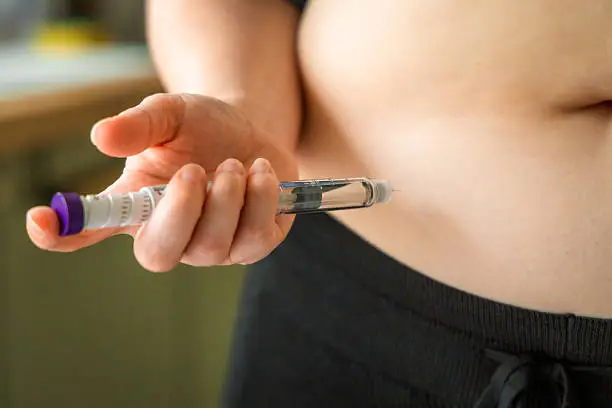
To understand microdosing Tirzepatide, one must first realize how starting with lower doses can help with comfort, an early response, and steady progress over time. TrimBody M.D. has helped over 30,000 patients by offering metabolic programs that focus on safe dosing clear goals, and careful medical guidance to support good health.
Key Takeaways:
- Microdosing means starting Tirzepatide at doses lower than the typical initial levels.
- People sometimes do this to adapt more and lessen stomach-related side effects.
- While popular online and in certain clinics, this approach is not an FDA-approved method.
- People need proper medical advice to maintain good metabolic and digestive health.
- Consistent nutrition, dosing, lifestyle habits, and regular checks shape the outcomes.
Why People Are Talking About Microdosing Tirzepatide
Microdosing is a hot topic on social media. Many think it makes adjusting to Tirzepatide easier. Starting with smaller amounts can help them feel more comfortable at first. Research by the University of Missouri Health shows there are plenty of myths about GLP-1 microdosing and misconceptions spread online.
Tirzepatide includes a step-by-step dose-escalation plan meant to keep patients safe. Microdosing offers an adjusted take on this approach. Doctors can change how they raise the dosage based on how the patient reacts, their metabolic signals, and their early results.
Some people choose microdosing because they notice slow or uneven progress. To figure out stalled progress, it is useful to look for possible causes first.
People often see microdosing as a way to prioritize tolerance before raising doses. It helps patients feel more comfortable, especially those looking for a gentler start or who struggled with other GLP-1 treatments earlier.
What Does Microdosing Tirzepatide Mean in Medicine?
Doctors describe microdosing Tirzepatide as starting with smaller-than-usual doses and raising them depending on how the patient reacts. The medication stays the same, but the dosing process is slowed down to make early treatment more comfortable.
Why do some patients start:
- They feel less stomach discomfort at the beginning.
- It helps them adjust more to changes in appetite.
- Symptoms become easier to monitor over time.
- It allows a gentler shift to the full treatment dose.
A study available in the National Institutes of Health database highlights how Tirzepatide has an impact on appetite control and the timing of digestion.
Always follow guidance from a doctor when trying microdosing. Starting doses too fast without expert oversight can lead to nausea, dizziness, or changes in appetite. That is why it is crucial to have scheduled follow-ups.
How Microdosing Fits Within a Bigger Tirzepatide Treatment Plan
Tirzepatide works best when paired with healthy eating, physical activity, staying hydrated, and regular consultations with a healthcare provider. Starting with smaller doses might feel easier at first, but increasing to effective doses helps control appetite and improve metabolism.
Benefits of beginning with smaller doses:
- Less chance of stomach issues while getting used to the treatment
- Gradual changes in appetite
- More steady results with regular injections
- Less stress about starting medication
- Easier to keep track of symptoms
Even so, microdosing is not some quick fix to speed up results. It works more as a tolerance strategy. Real changes in weight and metabolism still depend on sticking to the correct dose and following the injection schedule.
If progress slows down, doctors might examine sleeping habits, how hydrated the person is, meal schedules, and stress. These factors have an impact on how GLP-1 performs just as much as the medicine’s dosage. Some people may also find it useful to check out structured plans like what the Irvine clinic uses.
By making small and steady changes, both the patient and the provider can work together to find the right therapeutic balance without putting too much strain on the digestive system.
How To Tell If Microdosing Could Be A Good Option For You
People often talk about microdosing Tirzepatide as a way to ease into treatment during the first few weeks, or when past medications have caused side effects. It might be a useful approach if you:
- Have experienced digestive issues in the past
- Want to begin treatment at a slower pace
- Need extra time to get used to changes in appetite
- Have complicated medical conditions that need careful attention
- Struggle to maintain a consistent routine
a medical professional can decide whether microdosing is suitable. Tirzepatide needs a prescription so you should not make changes by yourself.
Doctors watch how patients react to the treatment to decide the safest way to move forward. Trying microdosing on your own might bring risks or mess up how the medication should work.
How Our Clinic Helps Patients Move Forward With Tirzepatide
At TrimBody M.D., we base dosing plans on medical reviews, patient backgrounds, and clinical insights. We track how your body reacts, address early signs, and guide you step by step to achieve lasting outcomes.
How our method benefits you:
- A slow monitored start with Tirzepatide to ease the process
- Lessons on shifts in digestion, appetite cues, and what to expect
- Straightforward advice on eating and staying hydrated
- Regular check-ins to ensure progress and safety
- Adjustments to help you hit therapeutic goals
Doctors guide each patient’s journey with continuous communication and medical supervision. They avoid relying on guesses or online fads.
The Next Right Step for Safe Treatment and Clear Guidance
Learning what microdosing Tirzepatide is lets you handle treatment with safer plans and a clearer direction. Microdosing acts as an initial strategy focused on comfort, but it is not meant to replace correct therapeutic doses.
When experts guide the process, it can lead to steadier progress and outcomes that are easier to predict. Start your free consultation with a clinician to find the right approach for you.
Disclaimer: This article is for informational and educational purposes. Treatment decisions are made during an individual medical evaluation with a licensed provider. We provide compounded tirzepatide and are not affiliated with or endorsed by the manufacturers of Zepbound® or Mounjaro®.
Frequently Asked Questions
How Does Microdosing Tirzepatide Affect Side Effects?
Starting with smaller doses may reduce nausea or appetite shifts during the first weeks. It also helps patients adjust more comfortably while a provider tracks early response.
Can Microdosing Improve Long-Term Weight Results?
Microdosing does not accelerate results, but it may help patients stay consistent by reducing early discomfort. Long term progress still depends on reaching therapeutic doses with clinical supervision.
Who Should Consider A Slow-Start Tirzepatide Approach?
People sensitive to digestive changes or nervous about starting injections may benefit from gradual dosing. A provider evaluates medical history to decide if it is a safe option.
Is Microdosing Safe To Do On Your Own?
No, Tirzepatide is a prescription medication that requires medical oversight. Self-adjusting doses increase risks and may disrupt treatment response.
How Fast Can Someone Transition From Microdosing To Standard Doses?
Transition speed depends on tolerance, symptom patterns, and provider guidance. Most patients progress once early adjustments stabilize and lab markers look appropriate.
Let our team know how we can help with your goals!
Get In Touch With Us
Schedule Your Free Consultation — Take Your First Step Today
 Henderson
Let our team of Medical Professionals help you achieve your body goals. Contact us Today!