
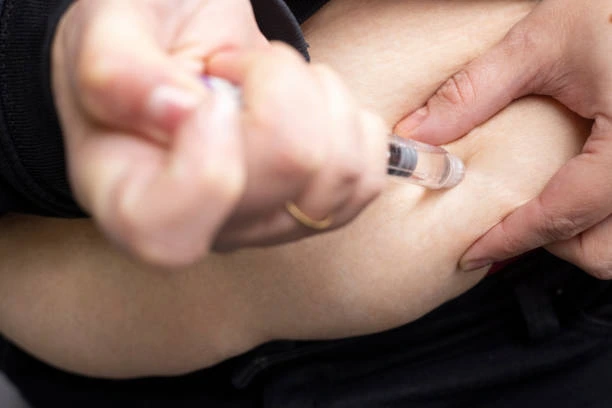
A common question in the growing world of diabetes treatment and weight loss is, “Is GLP-1 the same as Ozempic?” These terms often appear together, but they do not mean the same thing. At TrimBody M.D., we focus on combining proven science with professional guidance to give you effective, lasting results.
Key Takeaways:
- GLP-1 refers to a natural hormone that helps control appetite and manage blood sugar.
- Ozempic works as a prescription drug that replicates the activity of GLP-1.
- GLP-1 refers to the natural biological process, while Ozempic serves as a medical treatment tool.
- The FDA approved Ozempic to treat type 2 diabetes, and it is sometimes used off-label to help with weight loss.
- TrimBody M.D. offers doctor-supervised treatments that use GLP-1 receptor agonists like Ozempic to achieve safe and reliable outcomes.
What Is GLP-1 and Why Is It Important?
GLP-1, short for glucagon-like peptide-1, is a hormone that your gut makes naturally when you eat. It plays a key role in regulating blood sugar and supporting weight management, according to research published by NCBI.
When you eat food, intestinal cells release GLP-1 into your bloodstream. Once there, it takes on several important roles:
- It causes the pancreas to release insulin.
- It lowers glucagon levels, stopping the liver from making too much sugar.
- It slows how the stomach empties, making you feel full longer.
- It tells your brain you are full, which helps curb your hunger.
GLP-1 levels drop lower in people who have type 2 diabetes or obesity. Scientists used this finding to create GLP-1 receptor agonists, a group of drugs made to mimic what the hormone does but in a stronger and longer-lasting way than the body manages.
These GLP-1 receptor agonists now play a key role in treating modern metabolic health issues. They are not just used to lower blood sugar but also to help with weight loss, which has been proven effective in clinical studies.
What Is Ozempic and How Does It Work?
Ozempic is a medication based on semaglutide. It’s a GLP-1 receptor agonist approved by the FDA to treat type 2 diabetes. It acts like natural GLP-1, connecting to the same receptors, but it stays in the body much longer than the hormone would, according to clinical data reviewed by the National Library of Medicine.
Here’s how Ozempic works:
- It helps the body release insulin when blood sugar goes up.
- It blocks glucagon release, which stops the liver from making extra sugar it doesn’t need.
- It slows down how the stomach empties, cutting post-meal sugar spikes and helping people feel full.
- It curbs appetite, which makes people eat less and lose weight.
Doctors approve Ozempic to manage blood sugar in diabetes, but it often leads to noticeable weight loss. Because of this, many people use it off-label to treat obesity even if they don’t have diabetes. To meet rising interest, the FDA approved semaglutide with a new name, Wegovy, to help with long-term weight control.
What Makes Them the Same or Different
GLP-1 and Ozempic share a connection but are not identical. One is a natural hormone, while the other is a drug-based solution. Below is how they relate:
Similarities:
- Both target GLP-1 receptors found in the body.
- Both aid in managing blood sugar levels.
- Both lower hunger and reduced food consumption.
- Both promote weight loss along with metabolic health.
- Both affect pancreatic activity and the creation of insulin.
Differences:
- GLP-1 occurs in the body, while Ozempic is a drug made in a lab.
- The body breaks down natural GLP-1 within minutes, but Ozempic stays effective for up to seven days.
- GLP-1 does not see much medical use without modifications, while Ozempic is proven through clinical trials and prescribed.
- GLP-1 breaks down too to inject , but Ozempic is made stable and safe to inject.
- Using Ozempic might bring effects like nausea or stomach issues, which don’t happen with the natural hormone’s action.
Ways TrimBody M.D. Helps You Succeed with Ozempic and GLP-1 Therapy
TrimBody M.D. provicdes doctor-led programs designed to guide patients in using GLP-1 medications like Ozempic. Licensed professionals provide personalized care creating treatment plans and tracking progress to ensure results while lowering risks. Here is what a GLP-1 treatment program includes:
- Ozempic and Wegovy prescriptions by physicians are aimed at supporting weight loss and improving metabolic conditions.
- Tailored dosing plans crafted to suit each individual’s health background and objectives.
- Continuous medical supervision to measure success and tweak treatments when necessary.
- Check progress and track body composition to see real-time changes.
- Learn about nutrition, lifestyle, and managing side effects to stay successful over time.
What This Means for You
Is GLP-1 the same thing as Ozempic? Not, but they are tied together. You can think of Ozempic as a helpful medical tool that works with your body’s natural GLP-1 system. If you want to use semaglutide to lose weight or improve your health, you should make smart decisions with advice from trusted experts.
Get started today. Book your free consultation with us to learn how GLP-1 therapies could help in your weight loss journey. One conversation can be the beginning of your change.
Frequently Asked Questions
Is Ozempic Just For People With Diabetes?
No. While Ozempic is FDA-approved for type 2 diabetes, it’s also used off-label for weight loss. Many non-diabetic patients benefit from its appetite-suppressing and metabolic effects under medical supervision.
How Soon Can I Expect To See Weight Loss Results?
Most patients begin noticing changes within 2 to 4 weeks. Appetite reduction is often the first shift, followed by gradual, consistent weight loss when paired with healthy habits.
Can I Take Ozempic Without A Prescription?
No. Ozempic is a prescription-only medication that must be administered under medical supervision. Using it without proper oversight can lead to serious side effects and ineffective results.
What Happens If I Miss A Dose Of Ozempic?
If you miss a dose, take it as soon as possible within 5 days. After that, skip it and wait for your next scheduled dose.
Is Ozempic Safe For Long-Term Use?
When monitored by a medical professional, long-term use of Ozempic can be safe and effective. Regular check-ins help manage dosage, side effects, and long-term outcomes.