
'%3e%3cpath%20d='M12.0979%2019.9987C10.6974%2019.9987%209.29703%2019.4657%208.2309%2018.3995L1.60176%2011.7704C0.568828%2010.7375%200%209.36414%200%207.9034C0%206.44262%200.568828%205.06934%201.6018%204.03641C2.51562%203.12254%204.00258%203.12262%204.91633%204.03637L7.12605%206.2461C8.03988%207.15992%208.03988%208.6468%207.12605%209.56067C6.97848%209.70821%206.89723%209.90442%206.89723%2010.1131C6.89723%2010.3218%206.97848%2010.5179%207.12602%2010.6655L9.33574%2012.8752C9.48328%2013.0228%209.67949%2013.1041%209.88816%2013.1041C10.0969%2013.1041%2010.293%2013.0228%2010.4406%2012.8753C11.3545%2011.9614%2012.8414%2011.9614%2013.7552%2012.8753L15.9649%2015.085C16.8787%2015.9988%2016.8787%2017.4857%2015.9649%2018.3995C14.8987%2019.4657%2013.4983%2019.9987%2012.0979%2019.9987ZM3.25906%204.91281C3.05898%204.91281%202.85895%204.98895%202.7066%205.14129C1.96883%205.87906%201.5625%206.86%201.5625%207.9034C1.5625%208.9468%201.96883%209.92774%202.7066%2010.6655L9.33574%2017.2947C10.8587%2018.8177%2013.337%2018.8177%2014.86%2017.2947C15.1646%2016.99%2015.1646%2016.4944%2014.86%2016.1898L12.6503%2013.9801C12.5028%2013.8325%2012.3066%2013.7513%2012.0979%2013.7513C11.8892%2013.7513%2011.693%2013.8325%2011.5455%2013.98C10.6316%2014.8939%209.14473%2014.8939%208.23086%2013.98L6.02117%2011.7703C5.57852%2011.3277%205.33473%2010.7391%205.33473%2010.113C5.33473%209.48703%205.57852%208.89844%206.02117%208.45578C6.16875%208.30824%206.25%208.11203%206.25%207.90336C6.25%207.69469%206.16875%207.49852%206.02117%207.35094L3.81148%205.14121C3.65918%204.98899%203.4591%204.91281%203.25906%204.91281Z'%20fill='black'/%3e%3cpath%20d='M9.5448%209.3168C9.25285%209.1959%209.0625%208.91102%209.0625%208.59504V0.782539C9.0625%200.351055%209.41227%200.00128937%209.84375%200.00128937H19.2188C19.6502%200.00128937%2020%200.351055%2020%200.782539V7.03254C20%207.46402%2019.6502%207.81379%2019.2188%207.81379H11.7298L10.3962%209.14746C10.1728%209.3709%209.83676%209.43773%209.5448%209.3168ZM10.625%201.56379V6.70895L10.8538%206.48012C11.0003%206.33359%2011.199%206.25129%2011.4062%206.25129H18.4375V1.56379H10.625Z'%20fill='black'/%3e%3cpath%20d='M12.9688%204.68879C13.4002%204.68879%2013.75%204.33901%2013.75%203.90754C13.75%203.47607%2013.4002%203.12629%2012.9688%203.12629C12.5373%203.12629%2012.1875%203.47607%2012.1875%203.90754C12.1875%204.33901%2012.5373%204.68879%2012.9688%204.68879Z'%20fill='black'/%3e%3cpath%20d='M16.0938%204.68879C16.5252%204.68879%2016.875%204.33901%2016.875%203.90754C16.875%203.47607%2016.5252%203.12629%2016.0938%203.12629C15.6623%203.12629%2015.3125%203.47607%2015.3125%203.90754C15.3125%204.33901%2015.6623%204.68879%2016.0938%204.68879Z'%20fill='black'/%3e%3c/g%3e%3cdefs%3e%3cclipPath%20id='clip0_6353_9'%3e%3crect%20width='20'%20height='20'%20fill='white'/%3e%3c/clipPath%3e%3c/defs%3e%3c/svg%3e)
'%3e%3cpath%20d='M10%2020C13.8389%2020%2017.0312%2018.3836%2017.0312%2016.0938C17.0312%2015.4405%2016.7592%2014.8022%2016.2444%2014.2478C15.9508%2013.9316%2015.4565%2013.9132%2015.1403%2014.2068C14.8241%2014.5004%2014.8058%2014.9947%2015.0994%2015.3109C15.3444%2015.5749%2015.4687%2015.8383%2015.4687%2016.0938C15.4687%2017.2001%2013.13%2018.4375%209.99996%2018.4375C6.86996%2018.4375%204.53121%2017.2001%204.53121%2016.0938C4.53121%2015.8382%204.65547%2015.5749%204.90055%2015.3109C5.19414%2014.9947%205.17582%2014.5004%204.85965%2014.2068C4.54348%2013.9133%204.04914%2013.9316%203.75555%2014.2477C3.24082%2014.8021%202.96875%2015.4405%202.96875%2016.0938C2.96875%2018.3803%206.15578%2020%2010%2020Z'%20fill='black'/%3e%3cpath%20d='M8.13172%2015.9465C8.57285%2016.5282%209.27023%2016.875%2010%2016.875C10.7298%2016.875%2011.4271%2016.5282%2011.8683%2015.9466L15.6293%2011.2402C16.5465%2010.0163%2017.0312%208.5609%2017.0312%207.03125C17.0312%203.15422%2013.877%200%2010%200C6.12297%200%202.96875%203.15422%202.96875%207.03125C2.96875%208.56094%203.45352%2010.0164%204.37063%2011.2402L8.13172%2015.9465ZM10%201.5625C13.0155%201.5625%2015.4688%204.01578%2015.4688%207.03125C15.4688%208.21648%2015.0944%209.34434%2014.386%2010.2938C14.386%2010.2938%2010.6309%2014.9924%2010.626%2014.9989C10.4766%2015.1982%2010.2484%2015.3125%2010%2015.3125C9.75156%2015.3125%209.5234%2015.1982%209.37402%2014.9989C9.36914%2014.9923%209.36418%2014.9859%209.3591%2014.9796L5.61395%2010.2937C4.90559%209.34434%204.53125%208.21652%204.53125%207.03125C4.53125%204.01578%206.98453%201.5625%2010%201.5625Z'%20fill='black'/%3e%3cpath%20d='M10%2010.9375C12.1539%2010.9375%2013.9062%209.18516%2013.9062%207.03125C13.9062%204.87734%2012.1539%203.125%2010%203.125C7.84609%203.125%206.09375%204.87734%206.09375%207.03125C6.09375%209.18516%207.84609%2010.9375%2010%2010.9375ZM10%204.6875C11.2923%204.6875%2012.3438%205.73891%2012.3438%207.03125C12.3438%208.32359%2011.2923%209.375%2010%209.375C8.70766%209.375%207.65625%208.32359%207.65625%207.03125C7.65625%205.73891%208.70766%204.6875%2010%204.6875Z'%20fill='black'/%3e%3c/g%3e%3cdefs%3e%3cclipPath%20id='clip0_6353_60'%3e%3crect%20width='20'%20height='20'%20fill='white'/%3e%3c/clipPath%3e%3c/defs%3e%3c/svg%3e)

'%3e%3ccircle%20cx='321'%20cy='321'%20r='276'%20transform='matrix(-1%200%200%201%20481%200)'%20stroke='%23E5DFD3'%20stroke-width='90'/%3e%3c/g%3e%3cdefs%3e%3cclipPath%20id='clip0_6046_3421'%3e%3crect%20width='481'%20height='413'%20fill='white'%20transform='matrix(-1%200%200%201%20481%200)'/%3e%3c/clipPath%3e%3c/defs%3e%3c/svg%3e)
How To Travel With GLP 1?
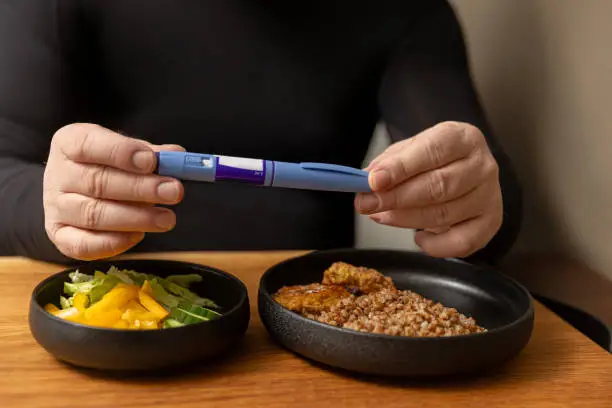
Traveling while handling medication may seem stressful when it involves injectables like GLP-1 receptor agonists. Knowing how to travel with glp 1 is important to stay on track with your treatment and avoid interruptions.
Key Takeaways
- Store GLP-1 medication at the right temperature when traveling.
- Bring TSA-approved medical storage bags and paperwork for airport security.
- Check what airlines, hotels, and cruise lines allow for storing medicines.
- Understand how long GLP-1 can last without refrigeration before it stops working.
- Keep your prescriptions, backup supplies, and provider’s contact info within easy reach.
How To Protect Your GLP-1 Medication While Traveling
Medications like semaglutide and tirzepatide, which are GLP-1 receptor agonists, work very well but are sensitive to temperature changes. They need to stay cool at 36°F to 46°F, which is about 2°C to 8°C. According to thermal stress studies, semaglutide shows accelerated degradation when stored above recommended temperatures, particularly exceeding ~25-40 °C for prolonged periods.
If temperatures go outside this range, their strength might decrease. This can affect weight loss and how they help with metabolism. Traveling by car, bus, or plane can make it harder to store them.
Managing Temperature Comes First
Use insulated travel bags, cooler packs made for medical use, or portable mini-fridges built to store insulin and GLP-1 medications. They keep the medicine cool at a constant temperature without freezing, which can ruin it, too. Never leave your medicine in direct sunlight, inside parked cars, or in checked luggage since those environments can’t keep temperatures stable.
Keep Your Paperwork In Order
Bring a copy of your prescription and a note from your doctor saying you need to carry injectable medication. When flying, the TSA lets travelers carry essential liquids and injection tools if they inform them at security. You can bring a small medical cooler or bag without it being counted as part of your carry-on items.
Plan Your Doses Around Your Schedule
If you take GLP-1 once a week, look at your travel itinerary and match it with your dosing day. For longer trips, try to sync your injections with your plans. Sticking to your regular schedule helps prevent missed doses and keeps the treatment working smoothly. If you’re traveling across several time zones, talk to your doctor to figure out how to adjust your injection times. Staying consistent matters; missing a shot can affect results, so learn what happens if you miss a dose of GLP-1.
How to Pack and Store During Long Trips
Being prepared makes traveling with GLP-1 simpler. Use a checklist to ensure you’re bringing everything:
- Main supply: Pack the exact doses you’ll use and bring at least one extra just in case something goes wrong, like losing or damaging a dose.
- Storage options: Use medical coolers with durable gel packs or USB-powered cooling sleeves. Keep the medication near you while traveling.
- Extra paperwork: Carry spare copies of prescriptions, insurance information, and your pharmacy’s contact details in a separate place from your main bag.
- Waste plan: Bring a portable sharps container to dispose of used needles or pens. Pharmacies in other countries might not take back medical sharps.
- Urgent care prep: Have your prescribing doctor’s contact details and a summary of your medical history in case you need quick care abroad.
- Airport screening: For U.S. flights, the TSA allows medically necessary liquids, gel ice packs, and injection supplies when you tell officers at screening; keep items accessible to speed inspection.
To take long trips, like cruises or lengthy stays, check if your accommodation offers refrigeration before you leave. Many hotels and cruise operators include mini-fridges that can store medication. You should confirm this ahead of time and, if needed, get a medical necessity note to avoid confusion.
When going abroad, look into the rules on bringing medications. Some nations have limits on injectable medicines or ask for paperwork from customs in advance. Reach out to your airline and the destination’s embassy a few weeks before traveling to understand the requirements.
How Long Can GLP-1 Stay Unrefrigerated?
Patients often ask about this when planning trips. The stability of GLP-1 medications depends on the brand, but most can stay effective at room temperature to use for up to 28 days as long as the temperature stays under 86°F or 30°C. If used beyond this time, the medicine loses strength and doesn’t work as well. Here are a couple of examples:
- Semaglutide (Ozempic, Wegovy) works for up to 28 days at room temperature after opening.
- Tirzepatide (Mounjaro Zepbound) stays effective for 21 to 28 days at room temperature based on the packaging conditions.
Travel often exposes medications to heat, so keeping them cool is important. Using insulated containers, TSA-approved ice packs, or portable coolers can help protect medicines from high temperatures on flights, road trips, or layovers.
Do not take chances with your medicine’s effectiveness. If you plan to travel to a hot place, always bring something to keep it cool. To learn more, check out TrimBody M.D’s GLP-1 guide.
Travel Tips To Follow When Taking GLP-1
Traveling with injectable medicine involves more than packing it up. These are some useful suggestions:
- Be upfront with security: Let TSA know if you’re carrying a medical cooler or injection pens. Separate your medications to make inspections quicker.
- Avoid freezing: You should not let cold packs touch the medication. Wrap them in a cloth to avoid freezing them by mistake.
- Stay consistent: Set up alarms on your phone to stick to your weekly dosing schedule. This is useful when crossing time zones.
- Pack extra doses: Take some extra medication if traveling to another country. Shipping GLP-1 can be tricky, and local pharmacies might not have your specific prescription.
- Check cruise policies: Different cruise lines have different rules about injectable medication. Some might need you to tell them ahead of time to store it in their medical area.
These steps help you stay calm and ease any worries tied to long trips or international travel. People often don’t realize how easily travel exhaustion or distractions can cause them to miss doses, but careful planning helps avoid problems. Staying on schedule helps maintain steady progress, especially since how long it takes for GLP-1 to work depends on consistent use.
What You Need To Know About Traveling With GLP-1
Learning how to travel with GLP 1 is about preparation, confidence, and awareness. Storing medication the right way, having the correct paperwork, and knowing how long it’s fine without refrigeration protects both your health and treatment. Good preparation replaces stress with ease, letting you enjoy your trip instead of stressing over your medicine. Want clarity on GLP-1 and your health? Connect with us today.
Frequently Asked Questions
How To Travel With GLP 1 And Syringes?
To carry GLP-1 pens and syringes, use a TSA-approved medical cooler along with your prescription. Always store them in your carry-on bag. Tell security about them and ask your doctor for a medical note to make airport checks easier.
Can You Bring GLP-1 Medication on a Plane?
You can bring GLP-1 medication on flights if you show it to security. Keep it in your carry-on, use a cooling travel case to store it, and have your prescription ready.
What Happens If Your GLP-1 Gets Warm While Traveling?
GLP-1 stays effective at room temperature to use for up to 28 days if kept under 86°F. If it gets too warm, check with your pharmacy or healthcare provider to make sure it’s still good.
Do Hotels Have Fridges For GLP-1?
Many hotels have small fridges that work for storing GLP-1. Before booking, check if one will be available.
How Do Time Zone Changes Affect My GLP-1 Shots?
Keep your injections on schedule by using alarms on your phone. If you’re traveling far across time zones, talk to your provider beforehand.
Let our team know how we can help with your goals!

Get In Touch With Us
Schedule Your Free Consultation — Take Your First Step Today
 Henderson
Let our team of Medical Professionals help you achieve your body goals. Contact us Today!