

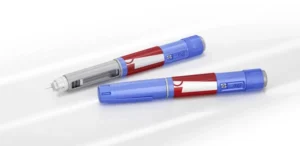
Medications like semaglutide and Tirzepatide have redefined how we approach sustainable weight loss, but many patients ask the same essential question: How long does it take for GLP-1 to work? At TrimBody M.D, these powerful GLP-1 receptor agonists are integrated into physician-guided programs designed to support long-term health.
This guide breaks down when you can expect GLP-1 results to begin, how the effects progress over time, and what to know about early side effects like nausea on Tirzepatide. This timeline gives you a clear roadmap for the journey ahead.
Key Takeaways:
- Patients notice effects of GLP-1 medications like a reduced appetite within 1–2 weeks, though this can vary.
- Weight loss often begins between weeks 4 and 6, but outcomes depend on dosage and habits like diet or exercise.
- GLP-1 drugs such as semaglutide or Tirzepatide work over time, so they do not deliver instant results.
- Nausea is a common side effect of Tirzepatide, but it often improves after adjusting the dose.
- Programs with medical supervision lead to better results when they handle potential side effects.
How GLP-1 Functions in the Body
The gut produces a hormone called GLP-1, or glucagon-like peptide-1. This hormone helps control blood sugar levels, reduces hunger, and slows down how fast the stomach empties. Medicines known as GLP-1 receptor agonists imitate the actions of this hormone. They lower appetite, regulate insulin, and support fat loss in a way that’s manageable.
According to the Cleveland Clinic GLP-1 Agonists overview, these drugs are usually given via subcutaneous injections and work best when paired with healthy lifestyle changes.
Drugs like semaglutide (Wegovy, Ozempic) and Tirzepatide (Mounjaro Zepbound) are not meant to deliver instant results. These medications focus on gradual weight loss and improving metabolism over time. Doctors prescribe them as weekly injections. Patients start with a small dose, which is increased.
How Long Does It Take For GLP-1 to Work
Knowing how GLP-1 medications act over time helps people have realistic expectations and stay motivated during treatment. Here’s a breakdown of what happens as patients start using GLP-1 medications.
Week 1–2: Appetite Starts To Shrink
Patients often notice feeling less hungry after 7 to 14 days. This is the first noticeable effect of GLP-1 medication. It happens before any changes in weight are seen. These medications work by slowing how the stomach empties and making people feel fuller, which can lead to eating smaller portions and cutting down on cravings.
Week 3–6: Early Weight Loss Kicks In
The body adjusts its metabolism. By week 6, many people experience a 2–4% loss in body weight. Clinical studies on semaglutide and Tirzepatide show similar results. This stage often builds momentum, but staying consistent and following proper dosage is key.
Week 7–12: Stronger Fat Loss and Better Blood Sugar Levels
Fat-burning becomes more noticeable. Patients notice more energy, better fasting glucose levels, and smaller waist measurements. TrimBody M.D. doctors review progress and make changes based on medical data during this stage.
Month 3–6: Steady Improvements and Forming Habits
By this stage, a lot of patients take on different eating habits. Losing 10–15% of body weight by the sixth month often happens with good meals and proper advice.
Dealing With Nausea From Tirzepatide
Nausea is one of the usual side effects tied to GLP-1 medications, Tirzepatide. It can feel annoying, but most people find it can be controlled and doesn’t last too long.
What Causes Nausea?
Tirzepatide targets both GLP-1 and GIP receptors and boosts their effect on stomach emptying and insulin production. This may cause nausea in the early weeks or after increasing the dose.
Tips to Reduce Nausea:
- Have smaller meals: Eating too much can make things worse. Stick to smaller portions with protein and take your time while eating.
- Avoid greasy or fatty foods: These foods are tough to break down and might cause nausea.
- Stay sitting up after meals: Do not lie down for at least an hour after eating.
- Adjust doses: A doctor may recommend holding the dose steady longer or increasing it more.
- Hydration and keeping electrolytes in balance: Drink water often during the day to maintain hydration.
What Determines How GLP-1 Takes Effect?
Various things can change how fast or how much of an effect GLP-1 has:
Type of Medication and Dosage Amount
Tirzepatide (Zepbound, Mounjaro) has delivered better early results compared to semaglutide (Ozempic Wegovy), though both work well. The speed of increasing dosage levels also has an impact. Slower adjustments can help with fewer side effects but might delay reaching the full effectiveness of the medication.
Initial Metabolic State
People with conditions like insulin resistance, PCOS, or type 2 diabetes often take more time to see results. Over time, though, these individuals gain the most benefits from GLP-1 treatments.
Lifestyle Habits
GLP-1 medications cannot replace healthy routines. Nutrition, regular hydration, and staying active help speed up results and reduce side effects. Medical providers like us assist patients in combining these habits right from the start.
Staying Consistent
Skipping doses or quitting can disrupt progress. Following a steady injection schedule plays a key role in achieving the best results.
How Do I Know if GLP-1 is Working?
Patients in TrimBody M.D. often talk about feeling more energetic, managing their appetite better, and gaining confidence after just a few weeks of starting GLP-1 treatments. Their experiences match what clinical studies show.
- Month 1: You feel less hungry and start managing portions better.
- Months 2–3: You start losing visible weight and your clothes begin to fit.
- Month 4+: You see big reductions in body fat and improvements in metabolic health.
Losing weight also changes how you feel. It’s not just about numbers on the scale. It’s about getting healthier, fighting insulin resistance, and taking control of your health once again.
Progress Takes Time, Not Instant Results
GLP-1 treatments help tackle obesity, but their effects take time to show. People may notice appetite decreases in the first week, but meaningful weight loss appears after weeks. Managing side effects like nausea from Tirzepatide often requires guidance from experts and small changes in daily habits.
The results in a medical environment can be tracked and improve lives, though they are not immediate. True change develops over a longer period, and focusing on your health brings lasting rewards.
Ready to take control of your weight and health? Schedule your free consultation with a TrimBody M.D. specialist today and find out exactly how long it takes for GLP-1 to work. Your transformation starts here.
Frequently Asked Questions
How Fast Does GLP-1 Start Suppressing Appetite?
Appetite suppression can begin within the first 7 days. Many patients notice they get full faster and stay satisfied longer by week two.
Can I Lose Weight Without Changing My Diet?
Some weight loss may happen, but long-term success requires healthier eating habits. GLP-1 helps reduce cravings, making those changes easier to stick with.
What If I Miss A Weekly GLP-1 Dose?
If it’s within 48 hours, take it as soon as possible. Beyond that, skip the missed dose and continue with your next scheduled injection.
Does Everyone Experience Nausea On Tirzepatide?
Not everyone gets nausea, but it’s one of the most reported early side effects. It often resolves with slower dose escalation or small meal adjustments.
How Long Should I Stay On GLP-1 Therapy?
Most patients stay on treatment for at least 6 months to reach the target weight. Your provider may adjust the duration based on progress and goals.