
'%3e%3cpath%20d='M12.0979%2019.9987C10.6974%2019.9987%209.29703%2019.4657%208.2309%2018.3995L1.60176%2011.7704C0.568828%2010.7375%200%209.36414%200%207.9034C0%206.44262%200.568828%205.06934%201.6018%204.03641C2.51562%203.12254%204.00258%203.12262%204.91633%204.03637L7.12605%206.2461C8.03988%207.15992%208.03988%208.6468%207.12605%209.56067C6.97848%209.70821%206.89723%209.90442%206.89723%2010.1131C6.89723%2010.3218%206.97848%2010.5179%207.12602%2010.6655L9.33574%2012.8752C9.48328%2013.0228%209.67949%2013.1041%209.88816%2013.1041C10.0969%2013.1041%2010.293%2013.0228%2010.4406%2012.8753C11.3545%2011.9614%2012.8414%2011.9614%2013.7552%2012.8753L15.9649%2015.085C16.8787%2015.9988%2016.8787%2017.4857%2015.9649%2018.3995C14.8987%2019.4657%2013.4983%2019.9987%2012.0979%2019.9987ZM3.25906%204.91281C3.05898%204.91281%202.85895%204.98895%202.7066%205.14129C1.96883%205.87906%201.5625%206.86%201.5625%207.9034C1.5625%208.9468%201.96883%209.92774%202.7066%2010.6655L9.33574%2017.2947C10.8587%2018.8177%2013.337%2018.8177%2014.86%2017.2947C15.1646%2016.99%2015.1646%2016.4944%2014.86%2016.1898L12.6503%2013.9801C12.5028%2013.8325%2012.3066%2013.7513%2012.0979%2013.7513C11.8892%2013.7513%2011.693%2013.8325%2011.5455%2013.98C10.6316%2014.8939%209.14473%2014.8939%208.23086%2013.98L6.02117%2011.7703C5.57852%2011.3277%205.33473%2010.7391%205.33473%2010.113C5.33473%209.48703%205.57852%208.89844%206.02117%208.45578C6.16875%208.30824%206.25%208.11203%206.25%207.90336C6.25%207.69469%206.16875%207.49852%206.02117%207.35094L3.81148%205.14121C3.65918%204.98899%203.4591%204.91281%203.25906%204.91281Z'%20fill='black'/%3e%3cpath%20d='M9.5448%209.3168C9.25285%209.1959%209.0625%208.91102%209.0625%208.59504V0.782539C9.0625%200.351055%209.41227%200.00128937%209.84375%200.00128937H19.2188C19.6502%200.00128937%2020%200.351055%2020%200.782539V7.03254C20%207.46402%2019.6502%207.81379%2019.2188%207.81379H11.7298L10.3962%209.14746C10.1728%209.3709%209.83676%209.43773%209.5448%209.3168ZM10.625%201.56379V6.70895L10.8538%206.48012C11.0003%206.33359%2011.199%206.25129%2011.4062%206.25129H18.4375V1.56379H10.625Z'%20fill='black'/%3e%3cpath%20d='M12.9688%204.68879C13.4002%204.68879%2013.75%204.33901%2013.75%203.90754C13.75%203.47607%2013.4002%203.12629%2012.9688%203.12629C12.5373%203.12629%2012.1875%203.47607%2012.1875%203.90754C12.1875%204.33901%2012.5373%204.68879%2012.9688%204.68879Z'%20fill='black'/%3e%3cpath%20d='M16.0938%204.68879C16.5252%204.68879%2016.875%204.33901%2016.875%203.90754C16.875%203.47607%2016.5252%203.12629%2016.0938%203.12629C15.6623%203.12629%2015.3125%203.47607%2015.3125%203.90754C15.3125%204.33901%2015.6623%204.68879%2016.0938%204.68879Z'%20fill='black'/%3e%3c/g%3e%3cdefs%3e%3cclipPath%20id='clip0_6353_9'%3e%3crect%20width='20'%20height='20'%20fill='white'/%3e%3c/clipPath%3e%3c/defs%3e%3c/svg%3e)
'%3e%3cpath%20d='M10%2020C13.8389%2020%2017.0312%2018.3836%2017.0312%2016.0938C17.0312%2015.4405%2016.7592%2014.8022%2016.2444%2014.2478C15.9508%2013.9316%2015.4565%2013.9132%2015.1403%2014.2068C14.8241%2014.5004%2014.8058%2014.9947%2015.0994%2015.3109C15.3444%2015.5749%2015.4687%2015.8383%2015.4687%2016.0938C15.4687%2017.2001%2013.13%2018.4375%209.99996%2018.4375C6.86996%2018.4375%204.53121%2017.2001%204.53121%2016.0938C4.53121%2015.8382%204.65547%2015.5749%204.90055%2015.3109C5.19414%2014.9947%205.17582%2014.5004%204.85965%2014.2068C4.54348%2013.9133%204.04914%2013.9316%203.75555%2014.2477C3.24082%2014.8021%202.96875%2015.4405%202.96875%2016.0938C2.96875%2018.3803%206.15578%2020%2010%2020Z'%20fill='black'/%3e%3cpath%20d='M8.13172%2015.9465C8.57285%2016.5282%209.27023%2016.875%2010%2016.875C10.7298%2016.875%2011.4271%2016.5282%2011.8683%2015.9466L15.6293%2011.2402C16.5465%2010.0163%2017.0312%208.5609%2017.0312%207.03125C17.0312%203.15422%2013.877%200%2010%200C6.12297%200%202.96875%203.15422%202.96875%207.03125C2.96875%208.56094%203.45352%2010.0164%204.37063%2011.2402L8.13172%2015.9465ZM10%201.5625C13.0155%201.5625%2015.4688%204.01578%2015.4688%207.03125C15.4688%208.21648%2015.0944%209.34434%2014.386%2010.2938C14.386%2010.2938%2010.6309%2014.9924%2010.626%2014.9989C10.4766%2015.1982%2010.2484%2015.3125%2010%2015.3125C9.75156%2015.3125%209.5234%2015.1982%209.37402%2014.9989C9.36914%2014.9923%209.36418%2014.9859%209.3591%2014.9796L5.61395%2010.2937C4.90559%209.34434%204.53125%208.21652%204.53125%207.03125C4.53125%204.01578%206.98453%201.5625%2010%201.5625Z'%20fill='black'/%3e%3cpath%20d='M10%2010.9375C12.1539%2010.9375%2013.9062%209.18516%2013.9062%207.03125C13.9062%204.87734%2012.1539%203.125%2010%203.125C7.84609%203.125%206.09375%204.87734%206.09375%207.03125C6.09375%209.18516%207.84609%2010.9375%2010%2010.9375ZM10%204.6875C11.2923%204.6875%2012.3438%205.73891%2012.3438%207.03125C12.3438%208.32359%2011.2923%209.375%2010%209.375C8.70766%209.375%207.65625%208.32359%207.65625%207.03125C7.65625%205.73891%208.70766%204.6875%2010%204.6875Z'%20fill='black'/%3e%3c/g%3e%3cdefs%3e%3cclipPath%20id='clip0_6353_60'%3e%3crect%20width='20'%20height='20'%20fill='white'/%3e%3c/clipPath%3e%3c/defs%3e%3c/svg%3e)

'%3e%3ccircle%20cx='321'%20cy='321'%20r='276'%20transform='matrix(-1%200%200%201%20481%200)'%20stroke='%23E5DFD3'%20stroke-width='90'/%3e%3c/g%3e%3cdefs%3e%3cclipPath%20id='clip0_6046_3421'%3e%3crect%20width='481'%20height='413'%20fill='white'%20transform='matrix(-1%200%200%201%20481%200)'/%3e%3c/clipPath%3e%3c/defs%3e%3c/svg%3e)
Does Testosterone Replacement Therapy Cause Infertility?
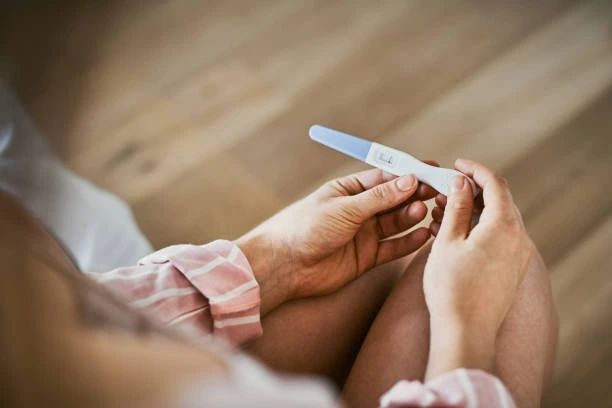
Does Testosterone replacement therapy cause infertility? Testosterone replacement therapy can suppress sperm production by reducing signals from the brain that stimulate the testes, which may affect fertility during active treatment. This effect is generally related to how testosterone alters hormonal feedback rather than permanent testicular damage.
At Trim Body M.D., fertility considerations are evaluated using clinical history, lab testing, and treatment planning that accounts for both hormonal health and reproductive goals. Schedule a free consultation to discuss fertility considerations.
Key Takeaways:
- Testosterone therapy can reduce sperm production during treatment
- The effect is related to hormonal signaling, not sperm quality itself
- Fertility impact varies based on dose and duration
- Monitoring helps identify changes early
- Reproductive goals should be discussed before therapy begins
Now, Does Testosterone Replacement Therapy Cause Infertility?
Testosterone replacement therapy affects fertility by impacting the hypothalamic–pituitary–gonadal axis.
When introducing external testosterone, the brain lowers its production of luteinizing hormone and follicle-stimulating hormone. These two hormones tell the testes to make testosterone and sperm.
As these hormonal signals drop, the testes may slow down or stop producing sperm. This is why lower sperm counts are sometimes linked to testosterone therapy during treatment. It’s important to note that this process influences sperm production but does not alter the genetic makeup of sperm cells.
Medical research often highlights that this process causes hormonal suppression instead of damaging the testes. Studies published by the National Institutes of Health explain how using external testosterone reduces the levels of testosterone inside the testes.
These levels are essential to produce healthy sperm.
Knowing this process shows why infertility worries happen and why it is important to plan timing and treatments.
How Testosterone Therapy Impacts Sperm Creation
Sperm production relies on a controlled hormonal balance.
The testes need high levels of testosterone in the area to keep spermatogenesis going. If someone takes testosterone from outside the body, their blood testosterone might go up, but the testosterone inside the testes can drop because the brain sends less stimulation.
This mismatch shows why some men on testosterone therapy feel normal or even better in terms of testosterone-related symptoms but still see their sperm counts go down. This drop does not always cause clear warning signs, so doing lab tests is crucial.
Several things play a role in how much sperm production is affected:
- How long has testosterone been taken
- The amount and the way it is given
- Pre-existing fertility condition
- How someone’s body reacts to hormonal feedback
Some men notice a slight decrease, while others might experience almost total suppression during treatment. These variations show how crucial it is to evaluate each person individually instead of relying on therapy-based assumptions.
Does It Affect Fertility?
Fertility changes linked to testosterone therapy can often be reversed when the therapy is stopped. When a person discontinues external testosterone, the brain starts sending signals back to the testes, letting sperm production return. The time it takes for recovery differs from person to person and might require several months.
Health groups state that men should avoid using testosterone therapy as a contraceptive because recovery can vary.
The American Society for Reproductive Medicine highlights that testosterone treatment affects sperm production while in use. Men who want to preserve their ability to have children should think about undergoing such therapy.
Factors like how long the treatment lasts, the man’s age, and his reproductive health all play a role in recovery.
Why Fertility Planning Is Key Before Starting Therapy
Before starting testosterone therapy, men need to think about their reproductive goals. This treatment might not suit those wanting children without extra medical steps. Proper care involves fertility testing and counseling as an important part of the process.
Baseline tests often involve checking hormone levels and sometimes, analyzing semen. These tests set a starting point and guide the approach when saving fertility is important. Signs of hormone problems, like those linked to low testosterone, can still get medical attention.
However, the treatment plan might change depending on reproductive plans. Patients and doctors need clear communication to ensure treatments match long-term goals.
The Role of Medical Care in Fertility Decisions
Medical care plays a key part in balancing symptom management and fertility needs. Factors like dosage choices, how long treatments last, and how often doctors monitor treatment all affect fertility outcomes. Using testosterone without professional guidance raises the risk of longer suppression and slower recovery of reproductive function.
Guided treatments focus on monitoring labs and reassessing. Doctors make changes by evaluating how hormones respond instead of relying on symptoms. This method decreases guesswork and helps patients make better decisions during their treatment.
The Ways Our Clinic Supports Patients in Managing Hormone Health and Fertility
At Trim Body M.D., we prioritize long-term health and patient goals, and safety when offering testosterone therapy.
- Complete hormone checkups
- Talk about reproductive plans before starting treatment
- Regular lab testing during therapy
- Teach about how fertility may be affected
- Create plans based on individual needs
Key Info for Men Thinking About Testosterone Therapy
Does testosterone replacement therapy cause infertility? Yes, testosterone therapy may lower sperm production while undergoing treatment because of hormonal feedback. However, this does not always lead to permanent infertility. Results may vary depending on how long the therapy lasts, how it’s monitored, and an individual’s body. To get a tailored assessment and proper advice, book an appointment through contact Trim Body M.D.
FAQs about Testosterone Therapy and Fertility
Can Testosterone Therapy Reduce Sperm Count Immediately?
Yes. Sperm count may gradually decline after starting therapy as hormonal signals shift. The change is not always immediate and varies by dose, duration, and individual endocrine sensitivity.
Is Fertility Loss From Testosterone Therapy Reversible?
In many cases, sperm production recovers after therapy stops and hormonal signaling resumes. Recovery time varies and may take several months, depending on treatment duration and baseline fertility health.
Can You Preserve Fertility Before Starting TRT?
Yes. Some patients choose semen analysis or sperm preservation before treatment. Planning ahead allows therapy to proceed while protecting future reproductive options.
Are There Alternatives To TRT For Men Trying To Conceive?
Certain hormone-based therapies may support testosterone levels without suppressing sperm production. A fertility-focused medical evaluation helps determine the most appropriate treatment pathway.
Let our team know how we can help with your goals!

Get In Touch With Us
Schedule Your Free Consultation — Take Your First Step Today
 Henderson
Let our team of Medical Professionals help you achieve your body goals. Contact us Today!