
'%3e%3cpath%20d='M12.0979%2019.9987C10.6974%2019.9987%209.29703%2019.4657%208.2309%2018.3995L1.60176%2011.7704C0.568828%2010.7375%200%209.36414%200%207.9034C0%206.44262%200.568828%205.06934%201.6018%204.03641C2.51562%203.12254%204.00258%203.12262%204.91633%204.03637L7.12605%206.2461C8.03988%207.15992%208.03988%208.6468%207.12605%209.56067C6.97848%209.70821%206.89723%209.90442%206.89723%2010.1131C6.89723%2010.3218%206.97848%2010.5179%207.12602%2010.6655L9.33574%2012.8752C9.48328%2013.0228%209.67949%2013.1041%209.88816%2013.1041C10.0969%2013.1041%2010.293%2013.0228%2010.4406%2012.8753C11.3545%2011.9614%2012.8414%2011.9614%2013.7552%2012.8753L15.9649%2015.085C16.8787%2015.9988%2016.8787%2017.4857%2015.9649%2018.3995C14.8987%2019.4657%2013.4983%2019.9987%2012.0979%2019.9987ZM3.25906%204.91281C3.05898%204.91281%202.85895%204.98895%202.7066%205.14129C1.96883%205.87906%201.5625%206.86%201.5625%207.9034C1.5625%208.9468%201.96883%209.92774%202.7066%2010.6655L9.33574%2017.2947C10.8587%2018.8177%2013.337%2018.8177%2014.86%2017.2947C15.1646%2016.99%2015.1646%2016.4944%2014.86%2016.1898L12.6503%2013.9801C12.5028%2013.8325%2012.3066%2013.7513%2012.0979%2013.7513C11.8892%2013.7513%2011.693%2013.8325%2011.5455%2013.98C10.6316%2014.8939%209.14473%2014.8939%208.23086%2013.98L6.02117%2011.7703C5.57852%2011.3277%205.33473%2010.7391%205.33473%2010.113C5.33473%209.48703%205.57852%208.89844%206.02117%208.45578C6.16875%208.30824%206.25%208.11203%206.25%207.90336C6.25%207.69469%206.16875%207.49852%206.02117%207.35094L3.81148%205.14121C3.65918%204.98899%203.4591%204.91281%203.25906%204.91281Z'%20fill='black'/%3e%3cpath%20d='M9.5448%209.3168C9.25285%209.1959%209.0625%208.91102%209.0625%208.59504V0.782539C9.0625%200.351055%209.41227%200.00128937%209.84375%200.00128937H19.2188C19.6502%200.00128937%2020%200.351055%2020%200.782539V7.03254C20%207.46402%2019.6502%207.81379%2019.2188%207.81379H11.7298L10.3962%209.14746C10.1728%209.3709%209.83676%209.43773%209.5448%209.3168ZM10.625%201.56379V6.70895L10.8538%206.48012C11.0003%206.33359%2011.199%206.25129%2011.4062%206.25129H18.4375V1.56379H10.625Z'%20fill='black'/%3e%3cpath%20d='M12.9688%204.68879C13.4002%204.68879%2013.75%204.33901%2013.75%203.90754C13.75%203.47607%2013.4002%203.12629%2012.9688%203.12629C12.5373%203.12629%2012.1875%203.47607%2012.1875%203.90754C12.1875%204.33901%2012.5373%204.68879%2012.9688%204.68879Z'%20fill='black'/%3e%3cpath%20d='M16.0938%204.68879C16.5252%204.68879%2016.875%204.33901%2016.875%203.90754C16.875%203.47607%2016.5252%203.12629%2016.0938%203.12629C15.6623%203.12629%2015.3125%203.47607%2015.3125%203.90754C15.3125%204.33901%2015.6623%204.68879%2016.0938%204.68879Z'%20fill='black'/%3e%3c/g%3e%3cdefs%3e%3cclipPath%20id='clip0_6353_9'%3e%3crect%20width='20'%20height='20'%20fill='white'/%3e%3c/clipPath%3e%3c/defs%3e%3c/svg%3e)
'%3e%3cpath%20d='M10%2020C13.8389%2020%2017.0312%2018.3836%2017.0312%2016.0938C17.0312%2015.4405%2016.7592%2014.8022%2016.2444%2014.2478C15.9508%2013.9316%2015.4565%2013.9132%2015.1403%2014.2068C14.8241%2014.5004%2014.8058%2014.9947%2015.0994%2015.3109C15.3444%2015.5749%2015.4687%2015.8383%2015.4687%2016.0938C15.4687%2017.2001%2013.13%2018.4375%209.99996%2018.4375C6.86996%2018.4375%204.53121%2017.2001%204.53121%2016.0938C4.53121%2015.8382%204.65547%2015.5749%204.90055%2015.3109C5.19414%2014.9947%205.17582%2014.5004%204.85965%2014.2068C4.54348%2013.9133%204.04914%2013.9316%203.75555%2014.2477C3.24082%2014.8021%202.96875%2015.4405%202.96875%2016.0938C2.96875%2018.3803%206.15578%2020%2010%2020Z'%20fill='black'/%3e%3cpath%20d='M8.13172%2015.9465C8.57285%2016.5282%209.27023%2016.875%2010%2016.875C10.7298%2016.875%2011.4271%2016.5282%2011.8683%2015.9466L15.6293%2011.2402C16.5465%2010.0163%2017.0312%208.5609%2017.0312%207.03125C17.0312%203.15422%2013.877%200%2010%200C6.12297%200%202.96875%203.15422%202.96875%207.03125C2.96875%208.56094%203.45352%2010.0164%204.37063%2011.2402L8.13172%2015.9465ZM10%201.5625C13.0155%201.5625%2015.4688%204.01578%2015.4688%207.03125C15.4688%208.21648%2015.0944%209.34434%2014.386%2010.2938C14.386%2010.2938%2010.6309%2014.9924%2010.626%2014.9989C10.4766%2015.1982%2010.2484%2015.3125%2010%2015.3125C9.75156%2015.3125%209.5234%2015.1982%209.37402%2014.9989C9.36914%2014.9923%209.36418%2014.9859%209.3591%2014.9796L5.61395%2010.2937C4.90559%209.34434%204.53125%208.21652%204.53125%207.03125C4.53125%204.01578%206.98453%201.5625%2010%201.5625Z'%20fill='black'/%3e%3cpath%20d='M10%2010.9375C12.1539%2010.9375%2013.9062%209.18516%2013.9062%207.03125C13.9062%204.87734%2012.1539%203.125%2010%203.125C7.84609%203.125%206.09375%204.87734%206.09375%207.03125C6.09375%209.18516%207.84609%2010.9375%2010%2010.9375ZM10%204.6875C11.2923%204.6875%2012.3438%205.73891%2012.3438%207.03125C12.3438%208.32359%2011.2923%209.375%2010%209.375C8.70766%209.375%207.65625%208.32359%207.65625%207.03125C7.65625%205.73891%208.70766%204.6875%2010%204.6875Z'%20fill='black'/%3e%3c/g%3e%3cdefs%3e%3cclipPath%20id='clip0_6353_60'%3e%3crect%20width='20'%20height='20'%20fill='white'/%3e%3c/clipPath%3e%3c/defs%3e%3c/svg%3e)

'%3e%3ccircle%20cx='321'%20cy='321'%20r='276'%20transform='matrix(-1%200%200%201%20481%200)'%20stroke='%23E5DFD3'%20stroke-width='90'/%3e%3c/g%3e%3cdefs%3e%3cclipPath%20id='clip0_6046_3421'%3e%3crect%20width='481'%20height='413'%20fill='white'%20transform='matrix(-1%200%200%201%20481%200)'/%3e%3c/clipPath%3e%3c/defs%3e%3c/svg%3e)
Can I Stop Testosterone Therapy?
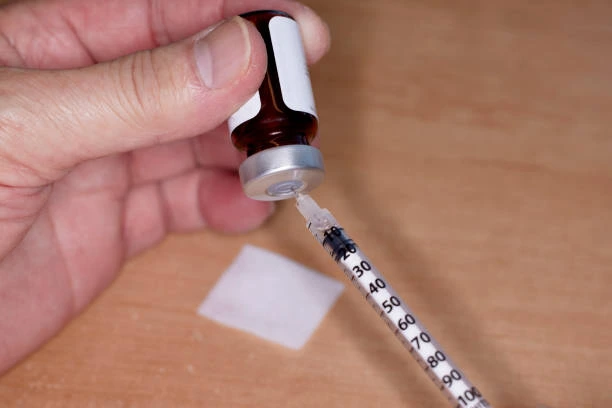
Can I stop testosterone therapy? Yes, it is possible to stop testosterone therapy, but it should only be done under medical supervision because natural testosterone production may take months to recover, and symptoms can return during that time.
Discontinuation affects hormone signaling, mood, energy, and body composition, depending on treatment duration and baseline health. At Trim Body M.D., decisions about stopping therapy are guided by lab data, symptom history, and long-term health planning. Get personalized guidance before making therapy changes today.
Key Takeaways:
- Stopping therapy can lead to a return of low-T symptoms
- Natural testosterone production may take months to recover
- Abrupt discontinuation can worsen fatigue and mood
- Tapering strategies may reduce sudden hormonal shifts
- Clinical monitoring improves safety during transition
What Happens When You Stop Testosterone Therapy
The body stops making its own testosterone during testosterone therapy. This happens because the hypothalamic-pituitary-gonadal axis uses feedback signals to control hormone levels. When extra testosterone is added, the brain sends fewer signals to the testes. Over time, this causes natural testosterone production to decrease.
After stopping therapy, the body has to restart signaling to produce testosterone again. The time it takes to recover is different for everyone.
- Some men start making testosterone in just a few months.
- Others might take a year or even more.
- In some situations, natural testosterone levels might not go back to where they were before treatment.
During the recovery period, patients experience things like feeling less energetic, a drop in sex drive, mood swings, or a loss of muscle. These happen because testosterone levels in the blood decrease before the body starts making it again.
Studies available through the National Institutes of Health reveal how taking testosterone from external sources interrupts the body’s natural hormone signals and show recovery trends once therapy stops.
Do Therapy Benefits Fade After Stopping?
If testosterone levels go back to their original state, many of the benefits of the therapy might lessen. Muscle mass may shrink, energy might drop, and libido could decrease. The improvements connect to higher testosterone levels, so when levels fall, those gains might fade away.
Some common things people notice after stopping therapy are:
- Gradual loss of muscle size
- Slower recovery from workouts
- Less interest in sex
- Feeling tired or mood shifts
- Gradual changes in weight
How much these changes happen depends on a person’s body and daily habits. Men who keep up with regular strength exercises and eat well might hold onto some progress even with reduced hormone levels. Others could feel stronger effects.
To understand returning symptoms when hormone levels go down, people can look at low testosterone signs for helpful information.
A Harvard Health review highlights the need to consider testosterone therapy. They stress that deciding on treatment must include evaluating both its benefits and long-term effects.
How Long Does It Take for Natural Testosterone Levels to Return?
The time it takes for natural testosterone to come back depends on factors like age, how long treatment lasts, and initial hormone levels.
- Younger guys or those with shorter therapy durations often bounce back faster.
- Men who’ve been in therapy for a long time might need more time to recover.
Research shows some men regain normal testosterone levels in a few months. Success rates are different for everyone.
A clinical study showed that about 39% of men managed to keep positive results after stopping treatment. Longer planned treatments combined with regular exercise seemed to offer better outcomes. These findings show that recovery can vary between patients.
Since testosterone therapy impacts sperm creation, men who are thinking about fertility should talk about the right timing and plans before stopping.
Risks of Stopping TRT Abruptly
Stopping therapy all of a sudden can cause hormone levels to drop. This sudden drop might increase tiredness, irritability, and mood swings. Some men notice a big drop in motivation or sexual abilities when they stop.
Tapering off with a doctor’s help might make this transition less severe. In certain cases, using post-cycle strategies could help boost natural hormone production. However, this depends on personal lab results and medical advice.
Men dealing with other issues tied to this therapy, like those mentioned in hair loss concerns, should not stop treatment on their own. They should consult a medical professional instead.
Stopping therapy might change body composition. Studies show that ending testosterone therapy without proper oversight can worsen obesity markers and lead to metabolic changes for some people.
When It Makes Sense to Keep Going with Therapy
Doctors often recommend testosterone therapy when lab tests confirm symptomatic hypogonadism. This treatment becomes part of a long-term plan instead of being just a quick solution. Stopping the treatment depends on how well symptoms are managed and what health goals are prioritized.
Some men who feel good and have steady test results might keep using the therapy under medical guidance. Others might choose to end it due to aiming to boost fertility, experiencing side effects, or making lifestyle adjustments. Any decision about this should focus on individual needs and be backed by reliable data.
Patients already on testosterone therapy discuss stopping treatment during regular follow-up appointments. These conversations happen instead of being sudden changes.
How We Help Patients Decide When to Stop Testosterone Therapy
At Trim Body M.D., we handle plans to stop treatment with a clear process and a focus on future health. We use lab results and what patients want to lower risks during this transition.
- Hormone tests before and after changes
- Tracking how symptoms evolve
- reducing treatment when needed
- Keeping an eye on mood, energy, and metabolism
- Making long-term plans to stay healthy
A Realistic Guide To Help Men Who Want To End Therapy
Now, can I stop testosterone therapy? The answer depends on the individual. Ending therapy is an option, but testosterone levels drop before the body starts producing it again. During this time, some symptoms might come back.
Recovery time differs from person to person, and stopping can make things worse and more uncomfortable. Having a doctor guide you through this process can help make it safer and set better expectations. Book a free consultation with us today.
FAQs about Stopping Testosterone Therapy
Will My Natural Testosterone Fully Recover After Stopping Therapy?
Natural testosterone may recover, but timelines vary based on age, treatment length, and baseline levels. Some men return to prior levels within months, while others may not fully recover without medical support.
Can Stopping Testosterone Therapy Affect Fertility?
Yes, testosterone therapy suppresses sperm production during treatment. Fertility may gradually improve after stopping, but recovery can take months and should be monitored with hormone and semen analysis testing.
Is Tapering Better Than Quitting Cold Turkey?
Gradual tapering may reduce sudden hormonal crashes and mood instability. Medical supervision helps minimize withdrawal symptoms and supports a smoother transition back to natural production.
What Symptoms Might Return After Discontinuation?
Fatigue, low libido, reduced strength, and mood changes may reappear if testosterone levels decline. Monitoring helps determine whether symptoms are temporary adjustment effects or persistent hormone deficiency.
Who Should Not Stop Testosterone Therapy?
Men with confirmed hypogonadism and persistently low lab values may require long-term management. Stopping without supervision can worsen symptoms and delay proper hormonal recovery.
Let our team know how we can help with your goals!

Get In Touch With Us
Schedule Your Free Consultation — Take Your First Step Today
 Henderson
Let our team of Medical Professionals help you achieve your body goals. Contact us Today!