
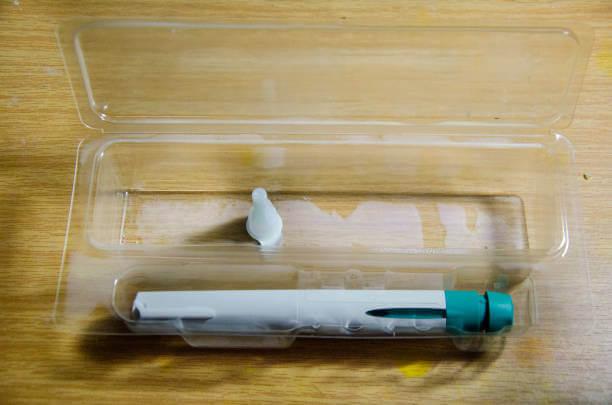
Where to inject hCG depends on the formulation and your prescribed treatment plan, but most patients use subcutaneous injection sites such as the abdomen or thigh. At TrimBody M.D., hCG injections are placed in areas with adequate fatty tissue to support absorption and reduce discomfort. Correct injection placement helps improve consistency, safety, and treatment outcomes. Book a free consultation for proper injection guidance.
Key Takeaways
- hCG is most often injected subcutaneously, not into muscle
- Abdomen and thigh are the most common injection sites
- Proper rotation lowers irritation and tissue sensitivity
- Technique matters as much as location for absorption
- Clinical guidance reduces injection-related complications
How hCG Injections Are Given
Doctors give human chorionic gonadotropin just below the skin, into fatty tissue. This way of giving the injection helps the body absorb the medication. It is also simpler for people to do at home than deeper muscle injections.
Subcutaneous delivery is commonly used in fertility treatment, hormone support, and medically supervised weight management programs. Because hCG is often used over time, providers monitor dosing carefully to reduce risk and address concerns related to long-term side effects of hCG injections under proper medical guidance.
Many are surprised to find out that the spot for the injection is picked based on what feels consistent and comfortable. These areas with steady fatty tissue ensure the medicine is absorbed the same way each time and lower the chance of hitting nerves or blood vessels.
3 Common hCG Injection Sites Explained
Here are the most commonly recommended hCG injection sites used for safe and effective subcutaneous administration.
Lower Belly (Abdomen)
People often choose the lower belly as a spot to inject hCG. This area has a lot of subcutaneous fat and is simple to reach.
You should inject at least two inches away from the navel to avoid hitting blood vessels and to prevent irritation. Many say this spot hurts the least and is the most convenient one to switch around.
Outer Upper Thigh
Another usual place is the outer part of the upper thigh. This site is a good option for anyone who does not want to have an injection in their belly.
This spot has enough fatty tissue and is simple to see. But some patients say it feels a bit more sore if the muscle moves a lot during walking or exercise.
Upper Arm (Back of Arm)
You can use the back of the upper arm, but it is not as common for self-injections. Caregivers often use this spot for giving shots.
There is plenty of fatty tissue here, but it can be tricky to hit the right spot without help. Most patients still prefer using their abdomen or thigh instead.
Step-by-Step Tips for Proper Injection
Here are the essential steps to follow for safe and accurate subcutaneous hCG injections.
Prepare the Injection Site
Clean the skin with an alcohol swab and allow it to fully dry before injecting. Wash your hands and use a new, sterile needle each time to reduce infection risk.
Use Proper Injection Technique
Gently pinch the skin to lift the fatty tissue away from the muscle before inserting the needle. This helps ensure the medication is delivered into the subcutaneous layer.
Choose the Correct Needle Angle
Subcutaneous injections are typically given at a 45- to 90-degree angle, depending on needle length and body composition. After injecting, apply light pressure if needed, but avoid rubbing the area.
Why Changing Injection Spots Is Important
Giving injections in the same place over and over can lead to swelling, irritation, or tissue changes. Switching where you inject helps keep the tissue in good shape and ensures the body absorbs medication.
Patients commonly rotate between the left and right sides of the abdomen or alternate between the abdomen and thigh. This structured approach aligns with medically supervised protocols and is often discussed alongside the weight loss benefits of hCG in long-term programs.
Using this method matters more during longer treatments. Medical programs focus on rotation to ensure safe and practical usage.
Subcutaneous Injections vs Intramuscular Injections of hCG
Subcutaneous injections are more common today. Intramuscular ones are needed and are used for certain fertility treatments under strict medical guidance.
Subcutaneous injections are simpler and hurt less. They also reduce the chances of hitting a nerve or blood vessel. The absorption happens, which works well for most treatment purposes.
Patients must not change their injection methods unless a clinician advises them. Changing methods can reduce dosing accuracy and affect how the treatment works.
Safety Tips for Injecting hCG
Following basic injection safety steps helps reduce irritation, prevent infection, and support consistent hormone absorption.
Monitor Injection Site Reactions
Mild redness or tenderness at the injection site is common and usually resolves within hours. Severe pain, swelling, warmth, or drainage should be evaluated by a healthcare provider.
Avoid Compromised Skin Areas
Do not inject into skin that is bruised, scarred, hardened, or inflamed. Choosing healthy tissue lowers the risk of poor absorption and local irritation.
Use Proper Needle Disposal and Supervision
Always dispose of used needles in an approved sharps container to prevent injury. Medically supervised hCG programs help reduce dosing errors and injection-related complications.
What Research and Medical Experts Recommend
Clinical sources state that subcutaneous hCG injections are used for outpatient treatments. Some studies highlight that injecting into fatty tissue ensures steady absorption and reduces the chances of complications. Experts recommend focusing on safety practices like proper training, using sterile methods, and rotating injection sites instead of promoting a single preferred location.
How Trim Body M.D. Helps Teach Injection Techniques
At Trim Body M.D., our team treats teaching injection practices as an essential clinical skill.
- Teach patients how to inject on their own before using it at home.
- Help choose injection spots based on their body type.
- Give step-by-step plans to rotate sites and keep tissue healthy.
- Watch for any side effects that come from injections.
- Provide continuous clinical care and advice.
Understanding Where to Inject hCG
Picking an injection site is important, but it is one part of staying safe and following treatment. A steady process, proper site changes, and expert advice work together to give better results and avoid problems. To get advice that fits your needs or to have a professional review, book a consultation at Trim Body M.D. today.
FAQs about HCG Injection Sites
Where Do You Inject hCG?
hCG is usually injected subcutaneously into fatty tissue. The lower abdomen is most common, with the thigh or back of the upper arm as alternatives.
Is The Stomach The Best Place to Inject hCG?
For most patients, yes. The abdomen offers consistent absorption, easy access, and less soreness when injections are rotated properly.
Can You Inject hCG In The Thigh?
Yes, the outer upper thigh is a common option. Some people feel more soreness there, especially if they walk or exercise soon after injecting.
Do You Need To Rotate hCG Injection Sites?
Yes, rotation is important. Switching sides or locations helps prevent irritation, tissue buildup, and uneven absorption over time.
Is hCG Injected Into Muscle or Fat?
Most hCG injections go into fat, not muscle. Subcutaneous injections are safer, less painful, and preferred unless a clinician directs otherwise.