
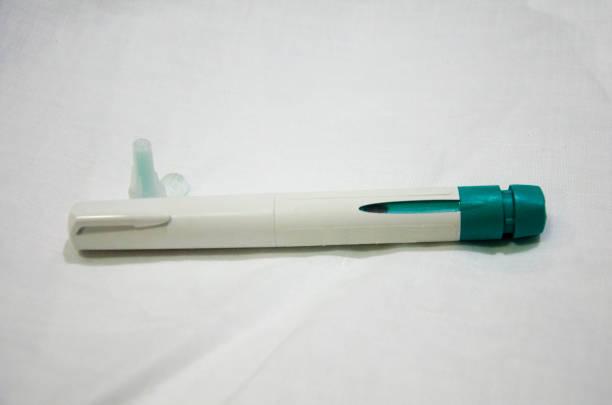

Long-term side effects of hCG injection are uncommon when treatment is medically supervised, but potential hormonal, metabolic, and cardiovascular effects can develop with improper dosing or extended use. At Trim Body M.D., long-term monitoring focuses on hormone balance, symptom tracking, and safety markers to reduce risk while supporting effective outcomes. Book a free consultation to understand long-term risks.
Key Takeaways
- Long-term risks are uncommon under medical supervision
- Hormonal imbalance is the most reported concern
- Side effects often relate to dose or duration
- Most symptoms resolve after discontinuation
- Clinical monitoring reduces long-term risk
How hCG Affects the Body over Time
Human chorionic gonadotropin (hCG) is a hormone that works with the hypothalamic-pituitary-gonadal axis. It helps men boost their own testosterone production. Doctors sometimes use it in weight management plans to help with fat metabolism and control appetite, but it has to follow specific methods.
Short-term use of hCG is safe and causes no major issues. Things change a bit with long-term use. Using it over a long time can overstimulate hormone receptors and mess with the balance of testosterone, estrogen, and luteinizing hormone levels. This hormonal imbalance is why concerns about long-term use focus on endocrine health rather than harm to organs.
Patients who get hCG injections as part of a medical program have their doses adjusted as needed. Regular follow-ups check for any possible hormone-related issues to keep things under control.
Let our team know how we can help with your goals!
Hormonal Shifts Tied to Long-Term hCG Use
Many people often talk about how hCG injections can cause long-term shifts in hormones. When used, some patients might see an increase in how much estrogen their body converts. If not handled, this might cause things like water buildup, tender breast tissue, or mood swings.
Another issue is the drop in testosterone levels if hCG is misused or not monitored. hCG might help the body maintain natural testosterone levels, but using too much for too long could disrupt normal hormonal signals. Most of the time, things go back to normal, but it shows how important it is to use it in cycles and stick to lab-tested doses.
Comparing different treatments helps understand risks better. Reviews that look at hormone therapies highlight hCG’s unique safety when used when compared to synthetic testosterone.
Metabolic and Heart-Health Factors
Doctors do not often report long-term metabolic effects of hCG injections under controlled medical use. Hormonal changes from improper use might affect insulin sensitivity or cholesterol levels.
Some people notice small heart rate or blood pressure changes in treatment. These effects go away and often relate to fluid levels or the nervous system. Long-lasting heart-related symptoms need checking to rule out other health issues.
Studies published by the National Institutes of Health show that using hCG in therapeutic doses under a doctor’s supervision does not cause organ damage over the long term.
To discuss our services, contact us today!
How Long Do Side Effects from hCG Injections Last?
Side effects from hCG injections go away after stopping treatment. Symptoms like headaches, tiredness, or irritation at the injection site disappear within a few days or weeks.
Hormonal changes, however, might last longer. Shifts in estrogen or testosterone levels may continue for several weeks after stopping treatment. Lab results return to normal over time, especially if the treatment ends.
Long-term side effects are more likely to occur if someone uses hCG without seeing a doctor. This pattern can lead to hormone imbalance, but it does not cause permanent damage.
Need help deciding? Fill out a contact form,and we’ll ensure you’re informed!
Recognizing Temporary vs. Long-Term Effects
Many hormone-related medicines cause temporary effects. The main difference lies in how long these effects last. Symptoms that come and go or improve after adjusting the dose show the body is adapting.
Long-term issues involve symptoms that stick around, like ongoing gynecomastia, lasting mood issues, or unusual test results. These kinds of signs need a reassessment instead of continuing the treatment.
Regular check-ups make it easier to spot risks. Changing the dose, stopping therapy for a while, or ending treatment can stop mild effects from turning into long-term problems.
Medical Authorities and Safety Evidence
Trusted medical groups say hCG is safe when taken the right way. The Cleveland Clinic explains that most side effects are minor and temporary. Their review of hCG use stresses the need to manage doses with a doctor’s guidance.
Researchers have found little proof that hCG causes severe long-term issues in people. Problems are linked to using it without proper guidance, overusing it, or following unsafe plans.
Understanding this difference is very important to keep patients safe and help them make smart choices.
Who Needs to Be Careful With Long-Term hCG Use
Some people must stay under strict medical observation. Anyone with hormone-sensitive illnesses, heart problems, or a background of hormone-related conditions should get a thorough checkup before starting long-term treatments.
Men who use hCG with other hormone-impacting medications need a careful treatment plan to prevent mixed effects. Extreme calorie-cutting diets with hCG also bring their own set of risks not tied to the hormone.
Healthcare providers lower these risks by performing tests, tracking labs, and creating specific treatment strategies for each person.
How Trim Body M.D. Prioritizes Long-Term Safety
Trim Body M.D. ensures safety over time with detailed plans, regular check-ins, and informing patients every step of the way. With over 30,000 patients treated, we work to balance minimizing risks with getting the best results possible.
Here’s How We Do It
- Adjust doses based on symptoms and lab results
- Track hormone levels over time
- Spot early warning signs of side effects
- Change or stop treatment if necessary
- Work with other therapies to coordinate care
This way, patients minimize unnecessary risks while keeping treatments effective. If you have concerns or new symptoms, feel free to ask for a review through our contact page.
FAQs about Long-Term HCG Injection Side Effects
What Are The Long-Term Side Effects Of HCG Injections?
Long-term side effects usually involve hormone imbalance rather than permanent damage and often resolve after dose adjustment or stopping treatment.
Can Long-Term HCG Use Affect Hormone Balance?
Yes. Extended use may raise estrogen levels or disrupt testosterone signaling if dosing is not monitored.
Are Long-Term HCG Side Effects Permanent?
Most are not. Symptoms like fluid retention or mood changes typically improve after discontinuation, though hormone levels may take several weeks to normalize, depending on duration and dose.
Is Long-Term HCG Use Safe Under Medical Care?
Yes, when properly prescribed and monitored. Clinical oversight significantly lowers risk by adjusting dose, limiting duration, and tracking labs rather than using fixed or prolonged protocols.
Who Should Avoid Long-Term HCG Therapy?
People with hormone-sensitive cancers, uncontrolled endocrine disorders, or unsupervised weight-loss plans should avoid extended use. Individual screening is essential before continuing therapy long term.
Call and talk to a specialist today! (702) 489-3300