
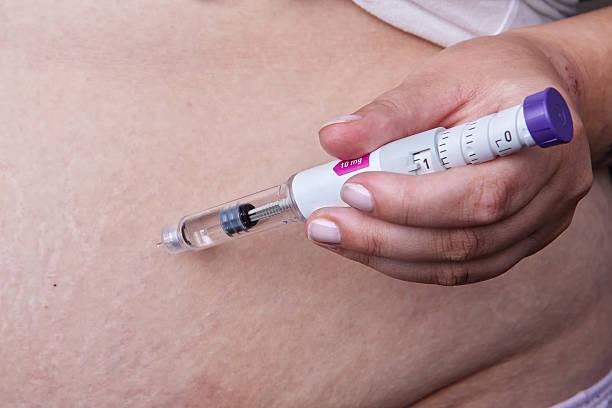

The maintenance dose of Zepbound refers to the individualized weekly dose used after the initial titration phase to sustain weight loss and metabolic benefits long term. This dose is not the same for every patient and is selected based on response, tolerance, and clinical goals under medical supervision, including care coordinated through TrimBody M.D. Maintenance dosing prioritizes stability, safety, and durability rather than continued escalation. Schedule a free consultation to plan long-term dosing.
Key takeaways
- Maintenance dose is personalized, not a single fixed number
- It follows the titration and adjustment phase
- Effectiveness matters more than the highest possible dose
- Long-term tolerance guides dose selection
- Ongoing medical review supports sustainable results
What Is a Maintenance Dose of Zepbound?
Doctors use a maintenance dose of Zepbound as a weekly amount to help keep appetite in check, support metabolism, and maintain steady weight after finishing the stage of increasing doses. This starts once weight loss levels off and any side effects are under control.
Some people can stick to moderate doses to keep their results, but others might need higher amounts to see the same benefits. Studies show steady habits do more for lasting results than pushing too hard with high doses.
Research on long-term GLP-based therapies also shows that maintenance dosing helps people keep their progress on metabolism while avoiding more risks.
Let our team know how we can help with your goals!
How Providers Decide Your Maintenance Dose
Medical providers base maintenance dosing on various clinical factors instead of following a fixed plan. They look at changes in appetite, energy levels, digestion, and weight at each dose to decide if they should continue increasing it or not.
Side effects like nausea, fatigue, or digestive issues often play as big a role as changes in weight. When these side effects grow worse while offering no extra benefit, they may decide not to raise the dosage further. The goal of maintenance dosing is to find balance, not just to push the highest possible dose.
This personalized approach shows why two people using Zepbound could stay on different doses but still get similar long-term outcomes.
How Long It Takes To Reach Maintenance Dosing
Starting a maintenance dose does not happen right away. Most patients move up from smaller doses over several weeks or even months. This helps the body adjust and lowers the chance of needing to stop the treatment.
Early doses tend to focus on helping the body build tolerance. Later levels work more on keeping appetite under control over time. The switch to a maintenance dose often happens when raising the dose further doesn’t bring much added benefit. Many patients look at treatment progression tips to figure out when things are likely to stabilize.
To discuss our services, contact us today!
Why Bigger Doses Aren’t Always Better
Some people think the highest dose is the best for long-term results. higher doses may lead to more side effects without making maintenance more effective.
Sustainable progress relies on finding the right maintenance dose. Patients who feel good tend to stick with their medications, which proves more important than just short-term control over appetite. Doctors observe that many people manage to keep the weight off even with smaller doses than expected.
Grasping this concept reduces unnecessary dose increases and promotes sticking with the plan over the long haul.
Need help deciding? Fill out a contact form,and we’ll ensure you’re informed!
How to Know You’re On the Right Maintenance Dose
Certain signs can show if you’re at the right maintenance dose. Appetite stays manageable without intense nausea, weight either levels out or drops little by little, and you can go about your day as usual.
Normal sleep patterns proper hydration, and balanced eating habits also return. When these things are in place, doctors often suggest staying on the current dose rather than raising it further.
Adjusting Your Maintenance Dose
Taking care of your dose does not mean it will stay the same forever. Life events, stress, illness, or changes in your metabolism can affect how a certain dose works for you as time goes on. Doctors may change it either increasing or lowering it to keep it effective or make it easier to handle.
If you gain weight or feel hungrier, doctors might recheck your dose. If side effects stick around too long, they might lower it. Maintenance doses are not fixed. Doctors base them on how a patient reacts, not on strict rules.
Research in metabolism and gastroenterology shows flexible dosing works well to keep benefits over time. Experts at the American College of Gastroenterology back this idea.
What Makes Maintenance Doses Different From Starting and Increasing Doses?
Starting doses help ease the body into the medication. Escalation doses check how well someone can handle it and how they respond. Maintenance doses work to keep the results steady without much interference.
This difference is important because it shapes what patients should expect. During maintenance, patients shouldn’t look for quick results. The goal is to keep things stable, reliable, and beneficial over time.
Understanding this change allows patients to shift their focus from fast progress to long-term balance.
How We Handle Zepbound Maintenance Dosing in Our Clinic
At TrimBody M.D., we treat maintenance dosing as an ongoing choice in care. The team keeps an eye on appetite, lab results, symptoms, and weight patterns to decide if the dose stays right.
Patients getting care at places like our Summerlin clinic experience benefits from consistent follow-ups. These follow-ups focus on helping improve safety and maintain results.
- Reassessing doses
- Checking for changes in tolerance
- Adjusting to lifestyle changes
- Providing help during plateaus or shifts
- Focusing on long-term health goals
How Maintenance Dose Helps Keep Weight Steady
Using a maintenance dose stops rebound hunger and slows down changes in metabolism. Keeping hormone signals steady helps the body settle into a new weight range instead of resisting change.
This steadiness encourages healthier eating habits and reduces the risk of gaining weight . Maintenance dosing becomes part of a larger plan for managing weight over the long term instead of being a short-term fix.
Doctors often notice improved results when patients follow proper maintenance dosing instead of hurrying through it.
Understanding the Maintenance Dose of Zepbound
The maintenance dose of Zepbound refers to the amount that stabilizes results and reduces side effects. It does not mean taking the largest possible dose. Achieving lasting results depends on personalized dosing, ongoing check-ins, and prioritizing a steady approach over quick fixes.
If you’re unsure about your dose or need advice on long-term care, talking to a professional is important. Set up a free consultation with us today.
FAQs about Zepbound Maintenance Dosing
Is There a Standard Maintenance Dose For Zepbound?
No. The maintenance dose varies by patient. It’s chosen based on response, tolerance, and long-term stability rather than a fixed number.
Does Everyone Eventually Reach The Same Maintenance Dose?
No. Some patients maintain results on moderate doses, while others need higher or lower amounts. Outcomes depend on individual response, not uniform dosing.
How Do You Know When You’re At A Maintenance Dose?
Weight stabilizes, appetite is controlled, and side effects are minimal. Providers usually stop escalation when additional increases add no benefit.
Can Your Maintenance Dose Change Over Time?
Yes. Life changes, stress, or metabolic adaptation may require dose adjustments. Maintenance dosing is flexible, not permanent.
Is Staying on A Lower Maintenance Dose Less Effective?
Not necessarily. Many patients maintain weight successfully on lower doses if appetite control and consistency are preserved. Sustainability matters more than dose size.
Call and talk to a specialist today! (702) 489-3300