
'%3e%3cpath%20d='M12.0979%2019.9987C10.6974%2019.9987%209.29703%2019.4657%208.2309%2018.3995L1.60176%2011.7704C0.568828%2010.7375%200%209.36414%200%207.9034C0%206.44262%200.568828%205.06934%201.6018%204.03641C2.51562%203.12254%204.00258%203.12262%204.91633%204.03637L7.12605%206.2461C8.03988%207.15992%208.03988%208.6468%207.12605%209.56067C6.97848%209.70821%206.89723%209.90442%206.89723%2010.1131C6.89723%2010.3218%206.97848%2010.5179%207.12602%2010.6655L9.33574%2012.8752C9.48328%2013.0228%209.67949%2013.1041%209.88816%2013.1041C10.0969%2013.1041%2010.293%2013.0228%2010.4406%2012.8753C11.3545%2011.9614%2012.8414%2011.9614%2013.7552%2012.8753L15.9649%2015.085C16.8787%2015.9988%2016.8787%2017.4857%2015.9649%2018.3995C14.8987%2019.4657%2013.4983%2019.9987%2012.0979%2019.9987ZM3.25906%204.91281C3.05898%204.91281%202.85895%204.98895%202.7066%205.14129C1.96883%205.87906%201.5625%206.86%201.5625%207.9034C1.5625%208.9468%201.96883%209.92774%202.7066%2010.6655L9.33574%2017.2947C10.8587%2018.8177%2013.337%2018.8177%2014.86%2017.2947C15.1646%2016.99%2015.1646%2016.4944%2014.86%2016.1898L12.6503%2013.9801C12.5028%2013.8325%2012.3066%2013.7513%2012.0979%2013.7513C11.8892%2013.7513%2011.693%2013.8325%2011.5455%2013.98C10.6316%2014.8939%209.14473%2014.8939%208.23086%2013.98L6.02117%2011.7703C5.57852%2011.3277%205.33473%2010.7391%205.33473%2010.113C5.33473%209.48703%205.57852%208.89844%206.02117%208.45578C6.16875%208.30824%206.25%208.11203%206.25%207.90336C6.25%207.69469%206.16875%207.49852%206.02117%207.35094L3.81148%205.14121C3.65918%204.98899%203.4591%204.91281%203.25906%204.91281Z'%20fill='black'/%3e%3cpath%20d='M9.5448%209.3168C9.25285%209.1959%209.0625%208.91102%209.0625%208.59504V0.782539C9.0625%200.351055%209.41227%200.00128937%209.84375%200.00128937H19.2188C19.6502%200.00128937%2020%200.351055%2020%200.782539V7.03254C20%207.46402%2019.6502%207.81379%2019.2188%207.81379H11.7298L10.3962%209.14746C10.1728%209.3709%209.83676%209.43773%209.5448%209.3168ZM10.625%201.56379V6.70895L10.8538%206.48012C11.0003%206.33359%2011.199%206.25129%2011.4062%206.25129H18.4375V1.56379H10.625Z'%20fill='black'/%3e%3cpath%20d='M12.9688%204.68879C13.4002%204.68879%2013.75%204.33901%2013.75%203.90754C13.75%203.47607%2013.4002%203.12629%2012.9688%203.12629C12.5373%203.12629%2012.1875%203.47607%2012.1875%203.90754C12.1875%204.33901%2012.5373%204.68879%2012.9688%204.68879Z'%20fill='black'/%3e%3cpath%20d='M16.0938%204.68879C16.5252%204.68879%2016.875%204.33901%2016.875%203.90754C16.875%203.47607%2016.5252%203.12629%2016.0938%203.12629C15.6623%203.12629%2015.3125%203.47607%2015.3125%203.90754C15.3125%204.33901%2015.6623%204.68879%2016.0938%204.68879Z'%20fill='black'/%3e%3c/g%3e%3cdefs%3e%3cclipPath%20id='clip0_6353_9'%3e%3crect%20width='20'%20height='20'%20fill='white'/%3e%3c/clipPath%3e%3c/defs%3e%3c/svg%3e)
'%3e%3cpath%20d='M10%2020C13.8389%2020%2017.0312%2018.3836%2017.0312%2016.0938C17.0312%2015.4405%2016.7592%2014.8022%2016.2444%2014.2478C15.9508%2013.9316%2015.4565%2013.9132%2015.1403%2014.2068C14.8241%2014.5004%2014.8058%2014.9947%2015.0994%2015.3109C15.3444%2015.5749%2015.4687%2015.8383%2015.4687%2016.0938C15.4687%2017.2001%2013.13%2018.4375%209.99996%2018.4375C6.86996%2018.4375%204.53121%2017.2001%204.53121%2016.0938C4.53121%2015.8382%204.65547%2015.5749%204.90055%2015.3109C5.19414%2014.9947%205.17582%2014.5004%204.85965%2014.2068C4.54348%2013.9133%204.04914%2013.9316%203.75555%2014.2477C3.24082%2014.8021%202.96875%2015.4405%202.96875%2016.0938C2.96875%2018.3803%206.15578%2020%2010%2020Z'%20fill='black'/%3e%3cpath%20d='M8.13172%2015.9465C8.57285%2016.5282%209.27023%2016.875%2010%2016.875C10.7298%2016.875%2011.4271%2016.5282%2011.8683%2015.9466L15.6293%2011.2402C16.5465%2010.0163%2017.0312%208.5609%2017.0312%207.03125C17.0312%203.15422%2013.877%200%2010%200C6.12297%200%202.96875%203.15422%202.96875%207.03125C2.96875%208.56094%203.45352%2010.0164%204.37063%2011.2402L8.13172%2015.9465ZM10%201.5625C13.0155%201.5625%2015.4688%204.01578%2015.4688%207.03125C15.4688%208.21648%2015.0944%209.34434%2014.386%2010.2938C14.386%2010.2938%2010.6309%2014.9924%2010.626%2014.9989C10.4766%2015.1982%2010.2484%2015.3125%2010%2015.3125C9.75156%2015.3125%209.5234%2015.1982%209.37402%2014.9989C9.36914%2014.9923%209.36418%2014.9859%209.3591%2014.9796L5.61395%2010.2937C4.90559%209.34434%204.53125%208.21652%204.53125%207.03125C4.53125%204.01578%206.98453%201.5625%2010%201.5625Z'%20fill='black'/%3e%3cpath%20d='M10%2010.9375C12.1539%2010.9375%2013.9062%209.18516%2013.9062%207.03125C13.9062%204.87734%2012.1539%203.125%2010%203.125C7.84609%203.125%206.09375%204.87734%206.09375%207.03125C6.09375%209.18516%207.84609%2010.9375%2010%2010.9375ZM10%204.6875C11.2923%204.6875%2012.3438%205.73891%2012.3438%207.03125C12.3438%208.32359%2011.2923%209.375%2010%209.375C8.70766%209.375%207.65625%208.32359%207.65625%207.03125C7.65625%205.73891%208.70766%204.6875%2010%204.6875Z'%20fill='black'/%3e%3c/g%3e%3cdefs%3e%3cclipPath%20id='clip0_6353_60'%3e%3crect%20width='20'%20height='20'%20fill='white'/%3e%3c/clipPath%3e%3c/defs%3e%3c/svg%3e)

'%3e%3ccircle%20cx='321'%20cy='321'%20r='276'%20transform='matrix(-1%200%200%201%20481%200)'%20stroke='%23E5DFD3'%20stroke-width='90'/%3e%3c/g%3e%3cdefs%3e%3cclipPath%20id='clip0_6046_3421'%3e%3crect%20width='481'%20height='413'%20fill='white'%20transform='matrix(-1%200%200%201%20481%200)'/%3e%3c/clipPath%3e%3c/defs%3e%3c/svg%3e)
Is It Safe Switching From Zepbound to Wegovy?
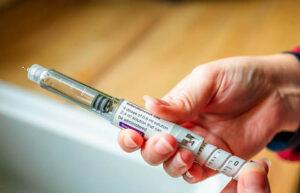
Switching from Zepbound to Wegovy is generally safe when managed by a healthcare provider who adjusts dosing and monitors side effects. Although both medications support weight loss through GLP-1 pathways, they differ in mechanism and potency, so dose titration is required to reduce gastrointestinal symptoms.
At Trim Body M.D., medication transitions are structured to protect metabolic stability and maintain progress. Get expert help from our clinic today to transition safely.
Key Takeaways:
- Both drugs affect GLP-1 signaling
- No washout period is usually required
- Dose equivalence is not one-to-one
- Temporary nausea may occur
- Physician guidance improves safety
Understanding How Zepbound and Wegovy Are Different
Switching to Wegovy from Zepbound means changing between two drugs that work on related but unique hormonal systems. Zepbound works with tirzepatide, which triggers both GLP-1 and GIP receptors. Wegovy, however, relies on semaglutide, which triggers GLP-1 receptors.
GLP-1 plays a role in lowering appetite, slowing how the stomach empties, and improving how the body responds to insulin. GIP also affects how insulin is released and helps maintain energy levels. Since tirzepatide targets two receptors instead of one, some people may notice more appetite control or quicker weight loss compared to treatments that target GLP-1 alone.
An analysis of weight loss medications compares their mechanisms and average weight loss results. UCHealth’s reports on GLP-1 comparisons focus on how receptor variations set these drugs apart.
Both medications, despite working, have approval for long-term weight management. They also share the same weekly injection requirement.
Let our team know how we can help with your goals!
Is Switching From Zepbound to Wegovy a Problem?
Switching between these medications is not bad. Careful planning helps reduce side effects and keeps weight loss progress on track.
Patients don’t need a waiting period before switching. Most start using Wegovy on their next scheduled injection day. This keeps the receptor activity steady without a long break.
Matching doses between the two medications is not exact. Patients begin Wegovy at a smaller dose, no matter their current Zepbound amount. Starting lower helps lower the chance of stomach issues like nausea, vomiting, or bloating.
Adjusting to the new medication can cause some short-term side effects. Since tirzepatide works on both GLP-1 and GIP receptors, the shift to a drug targeting just one receptor might make the body respond in a new way.
Reasons Why Patients Think About Switching
Here are the key reasons patients consider switching from Zepbound to Wegovy.
Insurance And Coverage Changes
Insurance updates often influence medication decisions. Formularies vary, making one prescription more accessible or better covered than the other.
Cost And Affordability Shifts
Out-of-pocket costs can change over time. Adjustments in insurance benefits or manufacturer savings programs may make one option more financially sustainable.
Side Effect Tolerance
Patients respond differently to GLP-1–based medications. Someone experiencing persistent nausea or injection discomfort with one drug may tolerate the other more comfortably.
Perceived Effectiveness
Some patients consider switching to evaluate weight loss response. Differences in genetics, insulin sensitivity, and receptor interaction can influence how well each medication performs.
To compare how these drugs work, our review of semaglutide versus tirzepatide goes deeper into how they activate receptors.
To discuss our services, contact us today!
What Happens During the Transition?
When transitioning medications, clinicians choose a suitable starting dose for Wegovy. This dose is below the maximum maintenance level, even if the patient tolerated higher doses of tirzepatide before.
For instance, a patient stabilized on a high dose of Zepbound might start Wegovy with either 0.25 mg or 0.5 mg instead of 2.4 mg. Doses increase based on specific titration recommendations.
This step-by-step process minimizes gastrointestinal discomfort and helps the central nervous system adjust to using only semaglutide.
Patients can look at an official dose escalation schedule to understand the need for gradual dose adjustments.
Need help deciding? Fill out a contact form,and we’ll ensure you’re informed!
Changes in Appetite and Weight Loss After Switching
Since Zepbound triggers two hormonal receptors, some people notice a stronger appetite reduction at first. Switching to Wegovy might feel different during the first few weeks.
Appetite control could change for a short period while GLP-1 receptor signaling adjusts. Research shows semaglutide on its own leads to significant weight loss when used over time.
Many patients wonder how long it takes to feel balanced after switching. It helps to know the timeline for adjustment, which you can learn more about in information on onset of action.
Staying consistent with eating habits and maintaining a structured diet is crucial during this time. Eating enough protein is helpful in preserving muscle. Around 20 to 30 grams of protein at each meal can help keep you full and avoid overeating while your body adjusts to the change.
Handling Side Effects During the Transition
Stomach-related issues happen most often when switching medications. You might feel nauseous, full, constipated, or even have mild diarrhea.
Eating smaller portions of healthy meals can ease discomfort. Fatty foods might make things worse since the medications slow how fast your stomach empties.
Staying hydrated matters a lot, too. Not drinking enough water can make dizziness and nausea worse when doses are being increased.
If side effects last for more than a few weeks, doctors might decide to change the dosing schedule or slow the rate of dose increase.
How Switching From Zepbound to Wegovy Affects Metabolism
Moving from Zepbound to Wegovy does not get rid of all the metabolic benefits. However, the receptor pathways shift from affecting two areas to just one.
GLP-1 helps control insulin release, lowers glucagon levels, and curbs appetite. The stimulation of GIP receptors decreases, which might slightly alter how hunger feels.
These hormonal shifts highlight the importance of careful monitoring during transitions to achieve the best results.
Keeping a steady calorie intake and staying consistent with exercise helps avoid gaining weight while the body adjusts to receptor changes.
How Our Doctors Ensure Safe Medication Changes for Thousands of Patients
We helped over 30,000 patients with doctor-supervised weight care. Our medical team reviews metabolism indicators, past medication use, and side effects before suggesting any changes. Here’s what we focus on:
- Checking past dosage levels and how the body handled them
- Creating a custom titration plan
- Tracking changes in appetite and metabolism
- Addressing stomach-related side effects
- Offering consistent follow-ups as adjustments happen
Making the Right Move When Switching From Zepbound to Wegovy
Switching from Zepbound to Wegovy is generally safe under medical supervision and does not require a washout period in most cases. Since the way the receptors respond is different, it helps to begin with a smaller dose and increase it.
This can lower side effects and keep your metabolism steady. With proper monitoring, patients can stay on track and keep seeing real weight loss results. Set up your appointment today.
FAQs about Switching From Zepbound to Wegovy
Why Would Someone Switch From Zepbound To Wegovy?
Patients switch due to insurance coverage, cost changes, or side effect differences. Individual hormonal response also varies, making one medication more tolerable or sustainable long-term.
Is There A Washout Period When Switching Medications?
In most cases, no washout period is required. Patients typically begin Wegovy on their next scheduled injection day under physician supervision.
Will Weight Loss Slow After Switching To Wegovy?
Weight loss may temporarily fluctuate during receptor adjustment. Consistent dosing, protein intake, and structured monitoring help maintain progress.
Do Side Effects Increase When Transitioning?
Temporary nausea or fullness can occur during titration. Starting at a lower Wegovy dose reduces gastrointestinal stress and improves tolerance.
How Long Does It Take To Stabilize After Switching?
Most patients feel stabilized within several weeks as dose escalation progresses. Appetite regulation becomes more predictable once maintenance levels are reached.
Call and talk to a specialist today! (702) 489-3300
Let our team know how we can help with your goals!

Get In Touch With Us
Schedule Your Free Consultation — Take Your First Step Today
 Henderson
Let our team of Medical Professionals help you achieve your body goals. Contact us Today!