
'%3e%3cpath%20d='M12.0979%2019.9987C10.6974%2019.9987%209.29703%2019.4657%208.2309%2018.3995L1.60176%2011.7704C0.568828%2010.7375%200%209.36414%200%207.9034C0%206.44262%200.568828%205.06934%201.6018%204.03641C2.51562%203.12254%204.00258%203.12262%204.91633%204.03637L7.12605%206.2461C8.03988%207.15992%208.03988%208.6468%207.12605%209.56067C6.97848%209.70821%206.89723%209.90442%206.89723%2010.1131C6.89723%2010.3218%206.97848%2010.5179%207.12602%2010.6655L9.33574%2012.8752C9.48328%2013.0228%209.67949%2013.1041%209.88816%2013.1041C10.0969%2013.1041%2010.293%2013.0228%2010.4406%2012.8753C11.3545%2011.9614%2012.8414%2011.9614%2013.7552%2012.8753L15.9649%2015.085C16.8787%2015.9988%2016.8787%2017.4857%2015.9649%2018.3995C14.8987%2019.4657%2013.4983%2019.9987%2012.0979%2019.9987ZM3.25906%204.91281C3.05898%204.91281%202.85895%204.98895%202.7066%205.14129C1.96883%205.87906%201.5625%206.86%201.5625%207.9034C1.5625%208.9468%201.96883%209.92774%202.7066%2010.6655L9.33574%2017.2947C10.8587%2018.8177%2013.337%2018.8177%2014.86%2017.2947C15.1646%2016.99%2015.1646%2016.4944%2014.86%2016.1898L12.6503%2013.9801C12.5028%2013.8325%2012.3066%2013.7513%2012.0979%2013.7513C11.8892%2013.7513%2011.693%2013.8325%2011.5455%2013.98C10.6316%2014.8939%209.14473%2014.8939%208.23086%2013.98L6.02117%2011.7703C5.57852%2011.3277%205.33473%2010.7391%205.33473%2010.113C5.33473%209.48703%205.57852%208.89844%206.02117%208.45578C6.16875%208.30824%206.25%208.11203%206.25%207.90336C6.25%207.69469%206.16875%207.49852%206.02117%207.35094L3.81148%205.14121C3.65918%204.98899%203.4591%204.91281%203.25906%204.91281Z'%20fill='black'/%3e%3cpath%20d='M9.5448%209.3168C9.25285%209.1959%209.0625%208.91102%209.0625%208.59504V0.782539C9.0625%200.351055%209.41227%200.00128937%209.84375%200.00128937H19.2188C19.6502%200.00128937%2020%200.351055%2020%200.782539V7.03254C20%207.46402%2019.6502%207.81379%2019.2188%207.81379H11.7298L10.3962%209.14746C10.1728%209.3709%209.83676%209.43773%209.5448%209.3168ZM10.625%201.56379V6.70895L10.8538%206.48012C11.0003%206.33359%2011.199%206.25129%2011.4062%206.25129H18.4375V1.56379H10.625Z'%20fill='black'/%3e%3cpath%20d='M12.9688%204.68879C13.4002%204.68879%2013.75%204.33901%2013.75%203.90754C13.75%203.47607%2013.4002%203.12629%2012.9688%203.12629C12.5373%203.12629%2012.1875%203.47607%2012.1875%203.90754C12.1875%204.33901%2012.5373%204.68879%2012.9688%204.68879Z'%20fill='black'/%3e%3cpath%20d='M16.0938%204.68879C16.5252%204.68879%2016.875%204.33901%2016.875%203.90754C16.875%203.47607%2016.5252%203.12629%2016.0938%203.12629C15.6623%203.12629%2015.3125%203.47607%2015.3125%203.90754C15.3125%204.33901%2015.6623%204.68879%2016.0938%204.68879Z'%20fill='black'/%3e%3c/g%3e%3cdefs%3e%3cclipPath%20id='clip0_6353_9'%3e%3crect%20width='20'%20height='20'%20fill='white'/%3e%3c/clipPath%3e%3c/defs%3e%3c/svg%3e)
'%3e%3cpath%20d='M10%2020C13.8389%2020%2017.0312%2018.3836%2017.0312%2016.0938C17.0312%2015.4405%2016.7592%2014.8022%2016.2444%2014.2478C15.9508%2013.9316%2015.4565%2013.9132%2015.1403%2014.2068C14.8241%2014.5004%2014.8058%2014.9947%2015.0994%2015.3109C15.3444%2015.5749%2015.4687%2015.8383%2015.4687%2016.0938C15.4687%2017.2001%2013.13%2018.4375%209.99996%2018.4375C6.86996%2018.4375%204.53121%2017.2001%204.53121%2016.0938C4.53121%2015.8382%204.65547%2015.5749%204.90055%2015.3109C5.19414%2014.9947%205.17582%2014.5004%204.85965%2014.2068C4.54348%2013.9133%204.04914%2013.9316%203.75555%2014.2477C3.24082%2014.8021%202.96875%2015.4405%202.96875%2016.0938C2.96875%2018.3803%206.15578%2020%2010%2020Z'%20fill='black'/%3e%3cpath%20d='M8.13172%2015.9465C8.57285%2016.5282%209.27023%2016.875%2010%2016.875C10.7298%2016.875%2011.4271%2016.5282%2011.8683%2015.9466L15.6293%2011.2402C16.5465%2010.0163%2017.0312%208.5609%2017.0312%207.03125C17.0312%203.15422%2013.877%200%2010%200C6.12297%200%202.96875%203.15422%202.96875%207.03125C2.96875%208.56094%203.45352%2010.0164%204.37063%2011.2402L8.13172%2015.9465ZM10%201.5625C13.0155%201.5625%2015.4688%204.01578%2015.4688%207.03125C15.4688%208.21648%2015.0944%209.34434%2014.386%2010.2938C14.386%2010.2938%2010.6309%2014.9924%2010.626%2014.9989C10.4766%2015.1982%2010.2484%2015.3125%2010%2015.3125C9.75156%2015.3125%209.5234%2015.1982%209.37402%2014.9989C9.36914%2014.9923%209.36418%2014.9859%209.3591%2014.9796L5.61395%2010.2937C4.90559%209.34434%204.53125%208.21652%204.53125%207.03125C4.53125%204.01578%206.98453%201.5625%2010%201.5625Z'%20fill='black'/%3e%3cpath%20d='M10%2010.9375C12.1539%2010.9375%2013.9062%209.18516%2013.9062%207.03125C13.9062%204.87734%2012.1539%203.125%2010%203.125C7.84609%203.125%206.09375%204.87734%206.09375%207.03125C6.09375%209.18516%207.84609%2010.9375%2010%2010.9375ZM10%204.6875C11.2923%204.6875%2012.3438%205.73891%2012.3438%207.03125C12.3438%208.32359%2011.2923%209.375%2010%209.375C8.70766%209.375%207.65625%208.32359%207.65625%207.03125C7.65625%205.73891%208.70766%204.6875%2010%204.6875Z'%20fill='black'/%3e%3c/g%3e%3cdefs%3e%3cclipPath%20id='clip0_6353_60'%3e%3crect%20width='20'%20height='20'%20fill='white'/%3e%3c/clipPath%3e%3c/defs%3e%3c/svg%3e)

'%3e%3ccircle%20cx='321'%20cy='321'%20r='276'%20transform='matrix(-1%200%200%201%20481%200)'%20stroke='%23E5DFD3'%20stroke-width='90'/%3e%3c/g%3e%3cdefs%3e%3cclipPath%20id='clip0_6046_3421'%3e%3crect%20width='481'%20height='413'%20fill='white'%20transform='matrix(-1%200%200%201%20481%200)'/%3e%3c/clipPath%3e%3c/defs%3e%3c/svg%3e)
Is GLP-1 The Same As Semaglutide
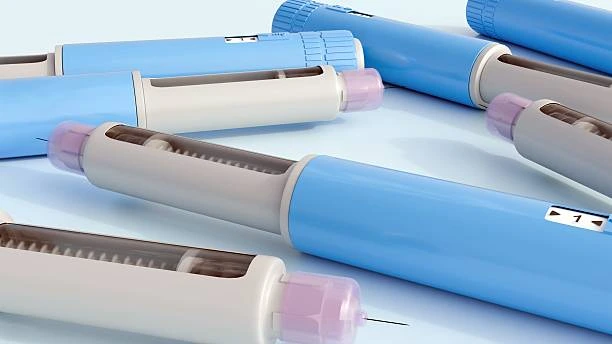
Is GLP-1 the same as semaglutide? This is an important question to address. Knowing the difference between a drug class and a specific medicine allows people to better understand their treatment options. At TrimBody M.D, doctors explain this distinction during consultations to help patients make smart choices about their health.
Key Takeaways
- GLP-1 works as both a natural hormone and a category of drugs.
- Semaglutide belongs to the group of GLP-1 receptor agonists.
- GLP-1 medications aid in managing blood sugar levels and weight.
- Semaglutide differs from other GLP-1 drugs in the group.
What Is GLP-1?
GLP-1 is short for glucagon-like peptide-1. This is a hormone the gut makes during eating. It helps the body by triggering insulin, reducing blood sugar, delaying the stomach from emptying, and telling the brain when you’re full. These roles inspired the creation of GLP-1 receptor agonists, drugs that act like these hormones.
According to the StatPearls overview on GLP-1 receptor agonists, these medications are effective in improving metabolism, supporting weight loss, and managing blood sugar levels in people with obesity or type 2 diabetes.
Doctors have been prescribing these medicines to treat type 2 diabetes for years. Recently, the FDA approved them to help manage weight in people dealing with obesity or weight-related health issues. Examples of these medications include semaglutide, liraglutide, dulaglutide, and tirzepatide.
If someone asks how semaglutide differs from GLP-1, you should understand that GLP-1 refers to both the hormone and the entire class of drugs. Semaglutide, however, is a specific medication within that group.
What Is Semaglutide?
Doctors use semaglutide, a man-made GLP-1 receptor agonist, to manage type 2 diabetes. It later got approval in higher doses to help with long-term weight loss. Unlike the body’s natural GLP-1 hormone, which doesn’t last long, semaglutide stays active longer so patients only need a weekly shot.
Research has shown that semaglutide leads to major weight loss. It helps control blood sugar levels and lowers risks related to heart problems. This makes it one of the most effective options among similar drugs. People taking semaglutide might recognize it under names like Ozempic or Wegovy.
So, Is GLP-1 The Same As Semaglutide? The answer is no. While GLP-1 refers to both a hormone and a class of medications, semaglutide is just one specific drug in that category. Patients weighing treatment options should know this difference.
What’s The Difference Between Semaglutide And GLP?
The difference comes down to scope. GLP-1 represents a group of drugs that mimic the GLP-1 hormone found in the body. Semaglutide, on the other hand, is one medicine in this group that people recognize for its high effectiveness and ability to work for a long time.
Other GLP-1 drugs like liraglutide, dulaglutide, and exenatide function the same way, but each comes with different dosage timings, side effects, and how effective it is. Doctors may suggest other GLP-1 options if semaglutide does not work well for a patient.
To understand the distinction between semaglutide and GLP-1 medications, patients need to see that semaglutide is just one of the options available. However, semaglutide tends to gain more recognition because of its effectiveness and frequent appearances in the media.
How GLP-1 And Semaglutide Act In The Human Body
Both natural GLP-1 and semaglutide target GLP-1 receptors in different parts of the body. They:
- Trigger insulin release following meals
- Lower blood sugar by reducing glucagon levels
- Delay stomach emptying helping people stay full for longer periods
- Act on brain receptors to decrease appetite
Semaglutide is built to deliver these benefits more and over extended times compared to the natural form. This leads to patients on semaglutide often experiencing weight loss more than through lifestyle changes alone. Dosing methods can vary, and knowing the right GLP-1 injection sites is key for safety and effectiveness.
Are All GLP-1 Medications as Potent as Semaglutide?
Different GLP-1 receptor agonists do not result in the same amount of weight loss. Clinical studies reveal semaglutide leads to more weight loss than older GLP-1 options like liraglutide. Still, individual patients might handle other treatments better due to medical history or how their body reacts to side effects.
People choose between semaglutide and other GLP-1 drugs based on factors like:
- Their overall health
- Cost and what their insurance covers
- Whether local pharmacies stock the medication
- How they respond to the drug
Paying Attention To Side Effects And Safety
GLP-1 medications and semaglutide bring similar side effects. Common ones include upset stomach, nausea, diarrhea, or constipation. These tend to ease in the early weeks after starting the medicine.
More serious problems can happen, like pancreatitis. Those with certain family histories might face a higher chance of thyroid tumors. This is why doctor approval and monitoring are essential for both starting and continuing the treatment. Many patients also ask about GLP-1 side effects in women since tolerance can vary based on health and biology.
Who Benefits Most from GLP-1 Treatment?
People with type 2 diabetes, obesity, or conditions tied to weight often get the greatest help. Someone with a BMI above 30 or a BMI of 27 along with issues like high cholesterol or hypertension might qualify for this therapy.
GLP-1 drugs like semaglutide help lower blood sugar and cut down heart risks in patients more likely to have heart problems. They serve two purposes as a treatment for many people. At the same time, stopping medication too early can lead to GLP-1 weight regain, which is why long-term support matters.
How TrimBody M.D. Helps Patients Pick the Right Direction
TrimBody M.D. gives patients expert advice and evaluations to choose GLP-1 drugs, including semaglutide. The team checks medical history, does lab tests, and talks through treatment plans in a simple way to help patients feel secure in their choices.
- Medical checks to see if GLP-1 or semaglutide is a good fit
- Easy-to-understand details on how different medicines compare
- Tips about safe use and what results to expect
- Nutrition and lifestyle coaching to boost outcomes
- Regular follow-ups to track improvement and ensure lasting results
Key Takeaway About GLP-1 And Semaglutide
GLP-1 and semaglutide are connected but not the same thing. GLP-1 is both a hormone and a group of drugs, while semaglutide is one powerful option within this category. Understanding the difference helps you choose the right treatment path for your needs. To make the safest decision, it’s best to review your options with a qualified provider. Book your consultation with TrimBody M.D. today and get expert guidance tailored to your health goals.
Disclaimer: This article is for informational and educational purposes. Treatment decisions are made during an individual medical evaluation with a licensed provider. We provide compounded semaglutide and are not affiliated with or endorsed by the manufacturer of Wegovy®.
Frequently Asked Questions
Is GLP-1 A Hormone Or A Medication?
GLP-1 is a hormone your body releases in the gut after eating. Doctors often use medications that mimic GLP-1’s effects to help treat diabetes and manage weight.
Why Do People Know About Semaglutide?
Semaglutide became popular because studies proved it works well to manage diabetes and help with weight loss.
Can You Use GLP-1 Medications Without Diabetes?
Yes, medications like semaglutide are allowed to treat weight issues. People who have obesity or similar health problems might be able to use them without needing a diabetes diagnosis.
Do All GLP-1 Medications Work the Same Way?
No, GLP-1 medicines vary in how strong they are, how long they work, and the kinds of side effects they cause. Semaglutide is one choice, but drugs such as liraglutide or dulaglutide might be recommended instead.
Let our team know how we can help with your goals!

Get In Touch With Us
Schedule Your Free Consultation — Take Your First Step Today
 Henderson
Let our team of Medical Professionals help you achieve your body goals. Contact us Today!