
'%3e%3cpath%20d='M12.0979%2019.9987C10.6974%2019.9987%209.29703%2019.4657%208.2309%2018.3995L1.60176%2011.7704C0.568828%2010.7375%200%209.36414%200%207.9034C0%206.44262%200.568828%205.06934%201.6018%204.03641C2.51562%203.12254%204.00258%203.12262%204.91633%204.03637L7.12605%206.2461C8.03988%207.15992%208.03988%208.6468%207.12605%209.56067C6.97848%209.70821%206.89723%209.90442%206.89723%2010.1131C6.89723%2010.3218%206.97848%2010.5179%207.12602%2010.6655L9.33574%2012.8752C9.48328%2013.0228%209.67949%2013.1041%209.88816%2013.1041C10.0969%2013.1041%2010.293%2013.0228%2010.4406%2012.8753C11.3545%2011.9614%2012.8414%2011.9614%2013.7552%2012.8753L15.9649%2015.085C16.8787%2015.9988%2016.8787%2017.4857%2015.9649%2018.3995C14.8987%2019.4657%2013.4983%2019.9987%2012.0979%2019.9987ZM3.25906%204.91281C3.05898%204.91281%202.85895%204.98895%202.7066%205.14129C1.96883%205.87906%201.5625%206.86%201.5625%207.9034C1.5625%208.9468%201.96883%209.92774%202.7066%2010.6655L9.33574%2017.2947C10.8587%2018.8177%2013.337%2018.8177%2014.86%2017.2947C15.1646%2016.99%2015.1646%2016.4944%2014.86%2016.1898L12.6503%2013.9801C12.5028%2013.8325%2012.3066%2013.7513%2012.0979%2013.7513C11.8892%2013.7513%2011.693%2013.8325%2011.5455%2013.98C10.6316%2014.8939%209.14473%2014.8939%208.23086%2013.98L6.02117%2011.7703C5.57852%2011.3277%205.33473%2010.7391%205.33473%2010.113C5.33473%209.48703%205.57852%208.89844%206.02117%208.45578C6.16875%208.30824%206.25%208.11203%206.25%207.90336C6.25%207.69469%206.16875%207.49852%206.02117%207.35094L3.81148%205.14121C3.65918%204.98899%203.4591%204.91281%203.25906%204.91281Z'%20fill='black'/%3e%3cpath%20d='M9.5448%209.3168C9.25285%209.1959%209.0625%208.91102%209.0625%208.59504V0.782539C9.0625%200.351055%209.41227%200.00128937%209.84375%200.00128937H19.2188C19.6502%200.00128937%2020%200.351055%2020%200.782539V7.03254C20%207.46402%2019.6502%207.81379%2019.2188%207.81379H11.7298L10.3962%209.14746C10.1728%209.3709%209.83676%209.43773%209.5448%209.3168ZM10.625%201.56379V6.70895L10.8538%206.48012C11.0003%206.33359%2011.199%206.25129%2011.4062%206.25129H18.4375V1.56379H10.625Z'%20fill='black'/%3e%3cpath%20d='M12.9688%204.68879C13.4002%204.68879%2013.75%204.33901%2013.75%203.90754C13.75%203.47607%2013.4002%203.12629%2012.9688%203.12629C12.5373%203.12629%2012.1875%203.47607%2012.1875%203.90754C12.1875%204.33901%2012.5373%204.68879%2012.9688%204.68879Z'%20fill='black'/%3e%3cpath%20d='M16.0938%204.68879C16.5252%204.68879%2016.875%204.33901%2016.875%203.90754C16.875%203.47607%2016.5252%203.12629%2016.0938%203.12629C15.6623%203.12629%2015.3125%203.47607%2015.3125%203.90754C15.3125%204.33901%2015.6623%204.68879%2016.0938%204.68879Z'%20fill='black'/%3e%3c/g%3e%3cdefs%3e%3cclipPath%20id='clip0_6353_9'%3e%3crect%20width='20'%20height='20'%20fill='white'/%3e%3c/clipPath%3e%3c/defs%3e%3c/svg%3e)
'%3e%3cpath%20d='M10%2020C13.8389%2020%2017.0312%2018.3836%2017.0312%2016.0938C17.0312%2015.4405%2016.7592%2014.8022%2016.2444%2014.2478C15.9508%2013.9316%2015.4565%2013.9132%2015.1403%2014.2068C14.8241%2014.5004%2014.8058%2014.9947%2015.0994%2015.3109C15.3444%2015.5749%2015.4687%2015.8383%2015.4687%2016.0938C15.4687%2017.2001%2013.13%2018.4375%209.99996%2018.4375C6.86996%2018.4375%204.53121%2017.2001%204.53121%2016.0938C4.53121%2015.8382%204.65547%2015.5749%204.90055%2015.3109C5.19414%2014.9947%205.17582%2014.5004%204.85965%2014.2068C4.54348%2013.9133%204.04914%2013.9316%203.75555%2014.2477C3.24082%2014.8021%202.96875%2015.4405%202.96875%2016.0938C2.96875%2018.3803%206.15578%2020%2010%2020Z'%20fill='black'/%3e%3cpath%20d='M8.13172%2015.9465C8.57285%2016.5282%209.27023%2016.875%2010%2016.875C10.7298%2016.875%2011.4271%2016.5282%2011.8683%2015.9466L15.6293%2011.2402C16.5465%2010.0163%2017.0312%208.5609%2017.0312%207.03125C17.0312%203.15422%2013.877%200%2010%200C6.12297%200%202.96875%203.15422%202.96875%207.03125C2.96875%208.56094%203.45352%2010.0164%204.37063%2011.2402L8.13172%2015.9465ZM10%201.5625C13.0155%201.5625%2015.4688%204.01578%2015.4688%207.03125C15.4688%208.21648%2015.0944%209.34434%2014.386%2010.2938C14.386%2010.2938%2010.6309%2014.9924%2010.626%2014.9989C10.4766%2015.1982%2010.2484%2015.3125%2010%2015.3125C9.75156%2015.3125%209.5234%2015.1982%209.37402%2014.9989C9.36914%2014.9923%209.36418%2014.9859%209.3591%2014.9796L5.61395%2010.2937C4.90559%209.34434%204.53125%208.21652%204.53125%207.03125C4.53125%204.01578%206.98453%201.5625%2010%201.5625Z'%20fill='black'/%3e%3cpath%20d='M10%2010.9375C12.1539%2010.9375%2013.9062%209.18516%2013.9062%207.03125C13.9062%204.87734%2012.1539%203.125%2010%203.125C7.84609%203.125%206.09375%204.87734%206.09375%207.03125C6.09375%209.18516%207.84609%2010.9375%2010%2010.9375ZM10%204.6875C11.2923%204.6875%2012.3438%205.73891%2012.3438%207.03125C12.3438%208.32359%2011.2923%209.375%2010%209.375C8.70766%209.375%207.65625%208.32359%207.65625%207.03125C7.65625%205.73891%208.70766%204.6875%2010%204.6875Z'%20fill='black'/%3e%3c/g%3e%3cdefs%3e%3cclipPath%20id='clip0_6353_60'%3e%3crect%20width='20'%20height='20'%20fill='white'/%3e%3c/clipPath%3e%3c/defs%3e%3c/svg%3e)

'%3e%3ccircle%20cx='321'%20cy='321'%20r='276'%20transform='matrix(-1%200%200%201%20481%200)'%20stroke='%23E5DFD3'%20stroke-width='90'/%3e%3c/g%3e%3cdefs%3e%3cclipPath%20id='clip0_6046_3421'%3e%3crect%20width='481'%20height='413'%20fill='white'%20transform='matrix(-1%200%200%201%20481%200)'/%3e%3c/clipPath%3e%3c/defs%3e%3c/svg%3e)
How To Qualify For GLP-1
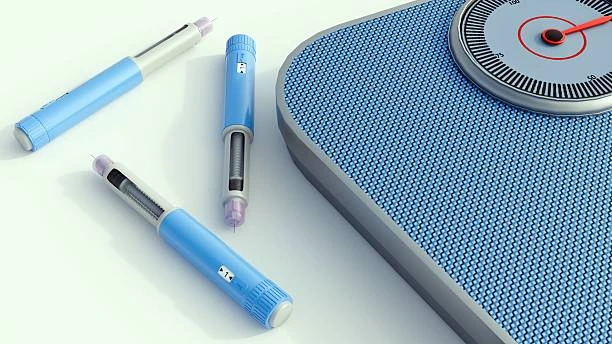
When people ask how to qualify for GLP-1, the answer lies in clear medical rules. These medications are serious treatments that licensed doctors must approve, sticking to proven medical standards. At TrimBody M.D., patients receive a medical check-up first to make sure GLP-1 drugs are safe and work.
Key Takeaways
- Who can get GLP-1 medications based on medical rules
- How BMI can affect whether you’re eligible
- What health problems might make GLP-1 unsafe to use
- How family doctors and specialists help with prescriptions
- Steps to boost your chances of qualifying for weight-loss treatments
How Do You Get Prescribed GLP-1?
Doctors prescribe GLP-1 receptor agonists like semaglutide or tirzepatide to manage type 2 diabetes and often to help with ongoing weight issues. The FDA has approved their use for these purposes. To qualify for a prescription, patients need to meet at least one of the following criteria:
- A BMI of 30 or above, which falls under obesity.
- A BMI of 27 or higher, along with having a weight-related issue like high blood pressure, type 2 diabetes, or elevated cholesterol.
- A confirmed type 2 diabetes diagnosis, where GLP-1 can help control blood sugar levels.
Your doctor will check your medical history, do a physical exam, and order lab tests. They will look for other possible reasons behind weight gain, like hormonal issues, before suggesting any treatment.
For those asking how to qualify for glp 1 for weight loss, providers emphasize the importance of consistent health monitoring. The drug not only helps with dropping weight but also reduces heart risks and improves how the body handles insulin.
What Makes You Not A Candidate For GLP-1?
Not everybody can take GLP-1. Doctors follow strict rules to keep patients safe:
- A past diagnosis of medullary thyroid cancer or a condition called multiple endocrine neoplasia syndrome type 2 (MEN2).
- Pregnancy or breastfeeding, since it is unclear if these drugs are safe for those groups.
- Serious stomach or bowel problems like gastroparesis, as GLP-1 use can make these issues worse.
- Past allergic reactions to GLP-1 drugs might also pose a problem.
Doctors may also delay starting GLP-1 treatment for people with active pancreatitis, severe kidney problems, or untreated mental health conditions until those issues are managed.
Can My Family Doctor Prescribe GLP-1?
Yes, family doctors can give prescriptions for GLP-1 if they know enough about managing diabetes and weight concerns. Still, many people get sent to endocrinologists or special clinics to get regular and detailed care if the focus is on treating obesity. Family doctors handle key tasks like:
- Screening patients to see if they qualify
- Organizing lab tests and watching for side effects
- Adjusting treatment doses when needed
However, some insurance companies or pharmacies might ask for approval from a specialist before the meds can be provided. Talk about whether you qualify during your regular checkups, since your family doctor could be where the process begins.
Does Lifestyle Matter To Qualify?
Yes. Your daily habits play a huge role in determining if you’re the right candidate. Doctors look for patients who are ready to commit to:
- Eating well: A balanced diet helps lower side effects and boosts outcomes.
- Staying active: GLP-1 delivers better results when paired with regular exercise.
- Keeping up with doctor visits: Ongoing check-ups help fine-tune the treatment as needed.
If someone has avoided making lifestyle changes before, some doctors might wait to prescribe GLP-1 until there’s stronger motivation. For patients searching for how to qualify for glp 1 for weight loss, showing commitment to diet and activity often strengthens the case for medical approval.
What Tests Need To Be Done To Start GLP-1 Treatment?
Doctors ask for certain tests to figure out your health. These include:
- Fasting glucose and HbA1c to check how well your body handles sugar.
- Lipid profile to look at cholesterol and triglyceride levels.
- Kidney and liver function tests to see how your body processes medicine.
- Thyroid evaluation to determine if any factors are pointing to thyroid issues.
These tests give doctors a starting point and help them monitor changes over time. They may request follow-up tests every few months to keep an eye on your overall health.
Can You Qualify If You Are Just Overweight?
Patients with excess weight but not obesity might still meet the criteria if they have a related medical issue. For example, a person with a BMI of 28 and high blood pressure might reach the required medical standard. On the other hand, a BMI below 27 without additional health problems does not qualify them to receive a prescription.
How Long Does Approval Take?
Approval involves medical checks and insurance processes. After the first visit, patients get lab requests, return to check their results, and later receive a prescription if they are eligible. Sorting out insurance can take several weeks. Some clinics offer pay-out-of-pocket options to skip these delays.
Are There Self-Pay Options?
Some patients pay for treatments because insurance rules can be more demanding. Clinics offering self-pay options still ask patients to complete the same health checks, but the process to get approved moves quickly. It’s key to ask about costs upfront to avoid surprises before starting any treatment.
Risks And Checking Responsibilities
GLP-1 treatment needs ongoing dedication. Patients should prepare to:
- Have regular checkups to tweak doses or monitor side effects.
- Deal with possible stomach issues like nausea or feeling constipated.
- Learn how to give injections if the treatment requires shots.
- Talk about using it for the long term, since stopping can lead to weight coming back.
Recent research notes that while side effects can occur, GLP-1 drugs have also been linked to broader health benefits, including potential improvements in metabolic and cognitive health.
How TrimBody M.D. Helps Patients Qualify And Succeed With GLP-1
At TrimBody M.D., patients receive medical evaluations, lab testing, and ongoing support to safely qualify for GLP-1 therapy. Our team helps identify eligibility, manage treatment, and guide patients toward healthier, lasting outcomes.
- Comprehensive medical exams to confirm candidacy for GLP-1
- Personalized monitoring of blood sugar, weight, and cardiovascular health
- Professional coaching on diet and activity to maximize results
- Access to safe, proven medications in a clinical setting
- Long-term follow-up for sustained weight management success
Deciding If GLP-1 Is Right For You
To qualify for GLP-1, you need more than a specific weight or BMI. It involves medical tests, health reviews, and a dedication to improving your overall well-being. Patients can figure out if they qualify by consulting a reliable healthcare provider. This helps them make informed choices and work toward effective long-term weight control. Schedule a free consultation with us today.
Frequently Asked Questions
Is It Hard To Get Approved For Glp-1?
Your approval depends on factors like your BMI, medical background, and test results. Many patients dealing with obesity or related problems get approval if they agree to be under medical supervision.
How Long Does It Take To Get Qualified For GLP-1?
The process takes a few weeks to complete. It involves having an initial consultation, doing lab tests, and getting either insurance approval or clearing direct-pay options.
Can You Get GLP-1 If You Don’t Have Diabetes?
Yes, lots of people qualify even without having diabetes. A BMI of 30 or above, or 27 with health issues related to weight, often makes someone eligible.
Do Health Insurance Plans Pay For GLP-1 Medications?
Some insurance plans cover GLP-1 medications, but the approval process can be strict. Many people choose direct-pay or clinic programs to get started.
Can Your Regular Doctor Help You Qualify For GLP-1?
Family doctors can prescribe GLP-1 when the requirements are met. They can also send patients to specialists to provide closer monitoring.
Let our team know how we can help with your goals!

Get In Touch With Us
Schedule Your Free Consultation — Take Your First Step Today
 Henderson
Let our team of Medical Professionals help you achieve your body goals. Contact us Today!