
'%3e%3cpath%20d='M12.0979%2019.9987C10.6974%2019.9987%209.29703%2019.4657%208.2309%2018.3995L1.60176%2011.7704C0.568828%2010.7375%200%209.36414%200%207.9034C0%206.44262%200.568828%205.06934%201.6018%204.03641C2.51562%203.12254%204.00258%203.12262%204.91633%204.03637L7.12605%206.2461C8.03988%207.15992%208.03988%208.6468%207.12605%209.56067C6.97848%209.70821%206.89723%209.90442%206.89723%2010.1131C6.89723%2010.3218%206.97848%2010.5179%207.12602%2010.6655L9.33574%2012.8752C9.48328%2013.0228%209.67949%2013.1041%209.88816%2013.1041C10.0969%2013.1041%2010.293%2013.0228%2010.4406%2012.8753C11.3545%2011.9614%2012.8414%2011.9614%2013.7552%2012.8753L15.9649%2015.085C16.8787%2015.9988%2016.8787%2017.4857%2015.9649%2018.3995C14.8987%2019.4657%2013.4983%2019.9987%2012.0979%2019.9987ZM3.25906%204.91281C3.05898%204.91281%202.85895%204.98895%202.7066%205.14129C1.96883%205.87906%201.5625%206.86%201.5625%207.9034C1.5625%208.9468%201.96883%209.92774%202.7066%2010.6655L9.33574%2017.2947C10.8587%2018.8177%2013.337%2018.8177%2014.86%2017.2947C15.1646%2016.99%2015.1646%2016.4944%2014.86%2016.1898L12.6503%2013.9801C12.5028%2013.8325%2012.3066%2013.7513%2012.0979%2013.7513C11.8892%2013.7513%2011.693%2013.8325%2011.5455%2013.98C10.6316%2014.8939%209.14473%2014.8939%208.23086%2013.98L6.02117%2011.7703C5.57852%2011.3277%205.33473%2010.7391%205.33473%2010.113C5.33473%209.48703%205.57852%208.89844%206.02117%208.45578C6.16875%208.30824%206.25%208.11203%206.25%207.90336C6.25%207.69469%206.16875%207.49852%206.02117%207.35094L3.81148%205.14121C3.65918%204.98899%203.4591%204.91281%203.25906%204.91281Z'%20fill='black'/%3e%3cpath%20d='M9.5448%209.3168C9.25285%209.1959%209.0625%208.91102%209.0625%208.59504V0.782539C9.0625%200.351055%209.41227%200.00128937%209.84375%200.00128937H19.2188C19.6502%200.00128937%2020%200.351055%2020%200.782539V7.03254C20%207.46402%2019.6502%207.81379%2019.2188%207.81379H11.7298L10.3962%209.14746C10.1728%209.3709%209.83676%209.43773%209.5448%209.3168ZM10.625%201.56379V6.70895L10.8538%206.48012C11.0003%206.33359%2011.199%206.25129%2011.4062%206.25129H18.4375V1.56379H10.625Z'%20fill='black'/%3e%3cpath%20d='M12.9688%204.68879C13.4002%204.68879%2013.75%204.33901%2013.75%203.90754C13.75%203.47607%2013.4002%203.12629%2012.9688%203.12629C12.5373%203.12629%2012.1875%203.47607%2012.1875%203.90754C12.1875%204.33901%2012.5373%204.68879%2012.9688%204.68879Z'%20fill='black'/%3e%3cpath%20d='M16.0938%204.68879C16.5252%204.68879%2016.875%204.33901%2016.875%203.90754C16.875%203.47607%2016.5252%203.12629%2016.0938%203.12629C15.6623%203.12629%2015.3125%203.47607%2015.3125%203.90754C15.3125%204.33901%2015.6623%204.68879%2016.0938%204.68879Z'%20fill='black'/%3e%3c/g%3e%3cdefs%3e%3cclipPath%20id='clip0_6353_9'%3e%3crect%20width='20'%20height='20'%20fill='white'/%3e%3c/clipPath%3e%3c/defs%3e%3c/svg%3e)
'%3e%3cpath%20d='M10%2020C13.8389%2020%2017.0312%2018.3836%2017.0312%2016.0938C17.0312%2015.4405%2016.7592%2014.8022%2016.2444%2014.2478C15.9508%2013.9316%2015.4565%2013.9132%2015.1403%2014.2068C14.8241%2014.5004%2014.8058%2014.9947%2015.0994%2015.3109C15.3444%2015.5749%2015.4687%2015.8383%2015.4687%2016.0938C15.4687%2017.2001%2013.13%2018.4375%209.99996%2018.4375C6.86996%2018.4375%204.53121%2017.2001%204.53121%2016.0938C4.53121%2015.8382%204.65547%2015.5749%204.90055%2015.3109C5.19414%2014.9947%205.17582%2014.5004%204.85965%2014.2068C4.54348%2013.9133%204.04914%2013.9316%203.75555%2014.2477C3.24082%2014.8021%202.96875%2015.4405%202.96875%2016.0938C2.96875%2018.3803%206.15578%2020%2010%2020Z'%20fill='black'/%3e%3cpath%20d='M8.13172%2015.9465C8.57285%2016.5282%209.27023%2016.875%2010%2016.875C10.7298%2016.875%2011.4271%2016.5282%2011.8683%2015.9466L15.6293%2011.2402C16.5465%2010.0163%2017.0312%208.5609%2017.0312%207.03125C17.0312%203.15422%2013.877%200%2010%200C6.12297%200%202.96875%203.15422%202.96875%207.03125C2.96875%208.56094%203.45352%2010.0164%204.37063%2011.2402L8.13172%2015.9465ZM10%201.5625C13.0155%201.5625%2015.4688%204.01578%2015.4688%207.03125C15.4688%208.21648%2015.0944%209.34434%2014.386%2010.2938C14.386%2010.2938%2010.6309%2014.9924%2010.626%2014.9989C10.4766%2015.1982%2010.2484%2015.3125%2010%2015.3125C9.75156%2015.3125%209.5234%2015.1982%209.37402%2014.9989C9.36914%2014.9923%209.36418%2014.9859%209.3591%2014.9796L5.61395%2010.2937C4.90559%209.34434%204.53125%208.21652%204.53125%207.03125C4.53125%204.01578%206.98453%201.5625%2010%201.5625Z'%20fill='black'/%3e%3cpath%20d='M10%2010.9375C12.1539%2010.9375%2013.9062%209.18516%2013.9062%207.03125C13.9062%204.87734%2012.1539%203.125%2010%203.125C7.84609%203.125%206.09375%204.87734%206.09375%207.03125C6.09375%209.18516%207.84609%2010.9375%2010%2010.9375ZM10%204.6875C11.2923%204.6875%2012.3438%205.73891%2012.3438%207.03125C12.3438%208.32359%2011.2923%209.375%2010%209.375C8.70766%209.375%207.65625%208.32359%207.65625%207.03125C7.65625%205.73891%208.70766%204.6875%2010%204.6875Z'%20fill='black'/%3e%3c/g%3e%3cdefs%3e%3cclipPath%20id='clip0_6353_60'%3e%3crect%20width='20'%20height='20'%20fill='white'/%3e%3c/clipPath%3e%3c/defs%3e%3c/svg%3e)

'%3e%3ccircle%20cx='321'%20cy='321'%20r='276'%20transform='matrix(-1%200%200%201%20481%200)'%20stroke='%23E5DFD3'%20stroke-width='90'/%3e%3c/g%3e%3cdefs%3e%3cclipPath%20id='clip0_6046_3421'%3e%3crect%20width='481'%20height='413'%20fill='white'%20transform='matrix(-1%200%200%201%20481%200)'/%3e%3c/clipPath%3e%3c/defs%3e%3c/svg%3e)
How Often Should I Poop On Ozempic
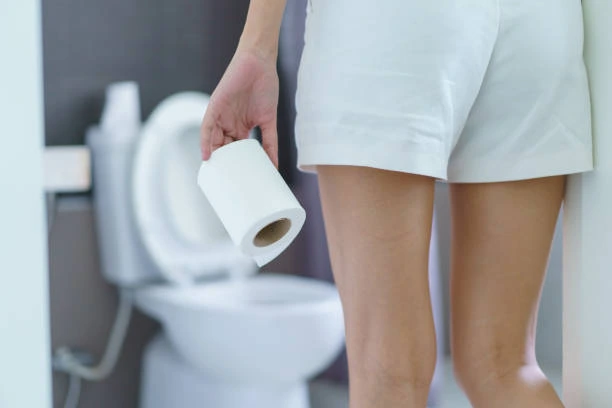
When you start using Ozempic, you might notice your digestion changing. A common question people ask is, “How often should I poop on Ozempic?” Knowing what to expect can help you stay at ease, track your body’s response, and figure out when it’s a good idea to check in at TrimBody M.D.
Key Takeaways:
- By slowing digestion, Ozempic might affect how you have bowel movements.
- Most people adjust in a few weeks as their digestive system gets used to it.
- Drinking plenty of water, staying active, and eating more fiber can help bring things back to normal.
- Changes in digestion don’t always signal a problem.
- Visiting your doctor helps you stay comfortable and maintain good health.
How Ozempic Changes Digestion
Ozempic, also called semaglutide, acts like the hormone GLP-1. It slows down how food leaves your stomach. This helps control hunger, blood sugar, and how your body uses energy. While this helps with losing weight, it can also slow digestion, so you might poop less often than usual.
Some people say their bowel movements happen every two or three days instead of daily. This doesn’t last long because the body needs time to adjust to Ozempic’s slower digestion process. Harvard Health Publishing states that GLP-1 medications have an impact on the gut-brain axis, which affects both appetite and how often you go to the bathroom.
If your bowel habits shift but you still feel okay otherwise, it’s often just your body getting used to the medication. However, if you feel discomfort from constipation or bloating, you should talk to a doctor. The Ozempic digestive side effects guide helps you figure out what is normal and what may need attention during the early stages of use.
How Often Do You Go to the Bathroom on Ozempic?
There isn’t just one answer to what’s “normal.” Some people might have a bowel movement every day, while others might go every other day or just a few times a week. The most important thing is how you feel. Being comfortable matters more than keeping track of the number.
A study from the National Library of Medicine showed that about a third of new Ozempic users faced mild constipation. This issue often got better as the body adjusted. For most individuals, this balance tends to happen within the first couple of months.
You could notice:
- Harder, smaller stools because of slower digestion time.
- Feeling bloated or having a “heavy” sensation in your stomach after eating might happen sometimes.
- Fewer bathroom trips could be common during the first stages.
- Some mild uneasiness may occur, but it improves as your stomach gets used to it.
If you notice that your stools are very hard, you’re in a lot of pain, or going to the bathroom less than two times a week, talk to your doctor. Acting can stop small issues from turning into long-term problems. You can also check out Does Ozempic Cause Constipation? to find more ways to keep your digestion regular.
How to Keep Your Digestion Healthy While on Ozempic
Daily routines play a big role in healthy digestion while using Ozempic. Here are five helpful steps to stay on track and keep your gut active, nourished, and hydrated.
- Drink plenty of water. Try to have at least eight glasses to make your stool easier to pass.
- Add fiber bit by bit. Bring more fiber into your diet using veggies, oats, or chia seeds to avoid bloating or gas.
- Stay active every day. A simple 20–30 minute walk can help your body get your intestines moving.
- Switch to smaller portions. Eating lighter meals can prevent digestion from slowing down further.
- Stick to a routine. Regular eating and sleeping schedules can help keep your bowel movements steady.
When to Pay Attention to Changes in Bathroom Habits
Mild constipation happens often, but long-lasting stomach problems need attention. Talk to your doctor if you notice:
- Going more than three days without a bowel movement.
- Intense stomach pain or feeling really bloated.
- Nausea throwing up, or an unusual stool color that appears .
- Feeling dizzy or tired, which could be due to dehydration.
Recent GLP-1 medication study shows that digestive side effects depend on the dose. You can manage these effects by making small changes to the medication, drinking more fluids, and having regular check-ins with your doctor.
Sometimes eating smaller portions, moving a bit more, or drinking extra water can improve symptoms. Do not ever cut down or stop your medications by yourself. Always let a healthcare provider manage any adjustments.
How TrimBody M.D. Keeps You Comfortable and On Track
TrimBody M.D. combines medical expertise, education, and proven lifestyle tips to help you stay steady and comfortable during your Ozempic experience. Our experts have already helped more than 30,000 people reach their goals while keeping both safety and comfort a top priority.
This is how we help manage your digestion as you use Ozempic:
- Thorough Monitoring: We check how your body reacts and adjust the dosage.
- Nutritional Planning: Our team helps manage your fiber intake and water levels to keep your gut feeling good.
- Lifestyle Coaching: We provide simple daily tips to boost your natural digestion.
- Safe Adjustments: Doctors check your ongoing symptoms and suggest solutions after careful evaluation.
- Personalized Education: You’ll learn how medicines affect your metabolism and bowel habits.
Using proven medical practices combined with tailored care, we make sure patients make steady progress without unnecessary discomfort. To understand initial physical changes better, you can check out What to Expect After the First Dose of Ozempic.
How Ozempic Helps with Bowel Regularity
Ozempic have an effect on the enteric nervous system often called the “second brain.” This system controls digestion and how food moves through the intestines. When Ozempic slows it down, the body gets more time to absorb nutrients, but it might also make the gut move less.
According to a peer-reviewed analysis from the National Institutes of Health, GLP-1 agonists lead to slower stomach emptying and longer gastric retention time. This slowdown plays a role in managing hunger and is not necessarily a side effect of the medication.
Most people see their bowel patterns settle in about eight to twelve weeks. If this doesn’t happen, doctors look at eating habits, suggest adding soluble fiber, or adjust water intake before changing the medication dose.
TrimBody M.D. – Medical Help to Keep You at Your Best
TrimBody M.D. blends advanced medical science with caring support to help you not only lose weight but also feel healthier overall. Our experts prioritize precise medication to improve digestion and long-term health through the use of Ozempic. We have already helped over 30,000 patients achieve safe and successful metabolic changes.
Here is how we guide you every step of the way:
- Expert advice to make safe medication adjustments.
- Coaching to improve gut health and enhance comfort and regular functioning.
- Create a nutrition plan that includes fiber, staying hydrated, and timing your meals well.
- Keep tracking your progress to stop side effects from getting worse.
- Build a care setting designed to boost confidence and understanding for patients.
If changes in digestion or constipation make you uncomfortable, our team of healthcare professionals can help restore balance without affecting your progress.
Staying in Control of Your Digestive Health
Knowing how often should I poop on Ozempic helps you understand your body’s routine, hydration levels, and how your metabolism works. It is common to notice slight changes in how often you use the bathroom, but long-term constipation needs attention. Catching early signs can help you avoid discomfort and maintain your treatment results.
You don’t need to face these changes on your own. Expert help can mean the difference between dealing with tough side effects and maintaining steady well-being. Schedule your consultation with TrimBody M.D. today.
Frequently Asked Questions
How Often Do You Have A Bowel Movement On Ozempic?
Most people poop every two to three days while taking Ozempic, though this varies. The key is consistency. If you experience long gaps, discomfort, or hard stools, speak with your doctor about adjusting your hydration, fiber, or dosage plan.
Can Ozempic Cause Constipation Or Diarrhea?
Yes, both can occur as your body adjusts to slower digestion. These side effects are temporary for most people and improve with proper hydration, smaller meals, and adding more fiber-rich foods to your daily routine.
What Helps With Constipation While Taking Ozempic?
Drinking plenty of water, increasing fiber intake, and light daily movement can ease constipation. Your provider may also suggest adjusting your diet or medication schedule for better digestive comfort.
When Should I Worry About Not Pooping On Ozempic?
If you go more than three days without a bowel movement or feel severe bloating or pain, contact your doctor. These signs may suggest dehydration or slowed digestion that needs medical attention.
Can Diet Affect How Often You Poop On Ozempic?
Absolutely. Eating fiber-rich foods like fruits, vegetables, and oats helps regulate digestion while on Ozempic. Limiting processed foods and staying hydrated supports smoother bowel movements and overall comfort.
Let our team know how we can help with your goals!

Get In Touch With Us
Schedule Your Free Consultation — Take Your First Step Today
 Henderson
Let our team of Medical Professionals help you achieve your body goals. Contact us Today!