

Picking the best hair removal option affects your skin, your schedule, and your budget. Clinics all over the country now offer both electrolysis and laser hair removal. Knowing their differences is crucial to decide. This guide, supported by trained experts and science, lays out the pros and cons of each choice.
With TrimBody M.D. being a trusted name in beauty treatments, here’s what to know about Electrolysis Vs Laser Hair Removal.
Key Facts:
- Electrolysis has FDA approval to remove hair for any skin tone or hair type.
- Laser hair removal works faster and suits bigger areas like legs or back better.
- Electrolysis treats each follicle, while lasers focus on the pigment in the hair shaft.
- Costs and sessions differ. Lasers require fewer treatments, but electrolysis provides total permanence.
- Your goals, hair type, and medical history play a role in picking the best method.
Basics You Should Know: How These Work
For long-lasting hair removal, both laser hair removal and electrolysis are popular options. But they rely on very different techniques, one uses electrical currents, and the other uses directed light energy.
What Is Electrolysis?
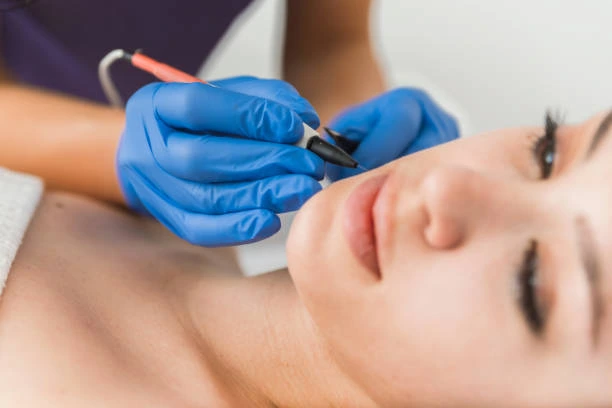
Electrolysis involves placing a fine probe into the hair follicle. A small electric current damages the hair’s growth center, stopping it from growing back. The FDA recognizes it as a permanent solution for hair removal. Since it works on any hair or skin color, it suits everyone.
Its precision makes it great to use on small zones like the chin, upper lip, and eyebrows. As Cleveland Clinic explains, electrolysis is a safe, effective option for permanent hair removal and works well on sensitive areas and all skin tones.
It takes several sessions to treat hair in all growth stages, but the results last forever once done.
Pros:
- Works on all hair and skin types
- Offers permanent results
- Safe to use on delicate areas or for hormonal hair growth
Cons:
- Takes a lot of time
- Each follicle can cause a bit of discomfort
- Treating large areas takes multiple appointments.
What Is Laser Hair Removal?
Laser hair removal focuses beams of light on the pigment in hair strands. This light turns into heat, which harms the follicle and slows down or delays future growth. It tends to work best on people with light skin and dark hair. Newer devices have made it more effective on darker skin.
Unlike electrolysis, lasers are considered a method to reduce hair rather than remove it. Most individuals notice that hair growth decreases by about 80–90% after completing several sessions.
Pros:
- Works on larger body parts
- Fewer treatments are needed to see visible progress
- Updated cooling tools make it less painful
Cons:
- Struggles to work well on light or gray hair
- Won’t last forever for every person
- Might lead to pigment shifts if used on darker skin
Evaluating Efficiency, Safety, and Time Investment
After explaining how these techniques function, let’s dive into the main points folks think about when deciding on a hair removal strategy.
Outcomes and Lasting Effects
If you want total and lasting hair removal, electrolysis provides the solution. It targets each hair follicle one by one, so there’s no regrowth if done the right way. Laser hair removal can reduce hair but needs follow-up treatments every six to twelve months. This is true for spots impacted by hormones such as facial areas.
Individuals with PCOS or hormone-related issues often achieve better long-term results using electrolysis for removing facial hair.
How Skin Type and Hair Color Match Up
Electrolysis works on all hair and skin types. It handles blonde, red, gray, or fine hair without any issue. Laser works best on people with light skin and dark hair. Modern advancements like Nd:YAG lasers make it safer to use on darker skin, though success can depend on how much contrast exists between hair and skin.
Treatment Areas and Time Needed
Laser hair removal completes much faster. Treating both legs can take 30 to 40 minutes. Electrolysis, on the other hand, targets one hair at a time, requiring several sessions to cover large areas.
Pain and Possible Side Effects
Both options involve some pain, though most people find it bearable. Many say the laser feels like a rubber band snapping on the skin. Electrolysis is often described as a stinging or tingling sensation.
Laser treatment might cause redness or swelling that fades fast. Electrolysis sometimes leads to small scabs or slight skin irritation on delicate areas of the face.
Trained professionals help reduce these risks. Clinics such as TrimBody M.D. prioritize safety by using FDA-approved devices and supervised medical procedures to prevent problems.
Choosing the Best Option for Your Hair and Skin Needs
If you’re deciding between Electrolysis vs Laser Hair Removal, it’s smart to pick the method that works best with your unique hair type, skin type, and overall health.
For example:
- Go for electrolysis if you need permanent results, have lighter or finer hair, or are focusing on smaller, more delicate areas.
- Opt for laser hair removal if you want quicker results, have dark and thick hair, or need to cover bigger areas like your back or legs.
If you feel unsure about which to choose, a licensed specialist can review your skin type, health background, and beauty goals to guide you. Clinics such as TrimBody M.D. offer consultations and skilled technicians to help ensure what’s safest and most comfortable for your skin.
The Bottom Line on Long-Term Hair Removal
When deciding between Electrolysis Vs Laser Hair Removal, it comes down to your goals, your body, and the time you’re willing to invest. Electrolysis is the best solution for permanent removal across all skin and hair types, while laser delivers faster results for those with the right contrast of hair and skin.
Both methods are safe, effective, and clinically trusted when performed by skilled professionals. Ready to take the next step? Book your consultation today and start your journey to smoother, clearer skin with expert guidance.
Frequently Asked Questions
Is Electrolysis Really Permanent?
Yes, electrolysis is FDA-cleared for permanent hair removal. Once a follicle is destroyed, it won’t grow hair again.
Can Laser Hair Removal Work On Light Hair?
Laser is less effective on blonde, gray, or red hairs. It targets pigment, so darker hair gets better results.
Which Treatment Hurts More?
Electrolysis tends to be more uncomfortable since it treats each follicle individually. Lasers feel like quick snaps and are often faster overall.
How Many Sessions Will I Need?
Laser typically takes 6–8 sessions, while electrolysis may need 15 or more for large areas. Your hair type and treatment area affect this.
Is There Any Downtime After Treatment?
No, both treatments allow you to return to daily activities right away. Some mild redness or sensitivity may occur temporarily.