
'%3e%3cpath%20d='M12.0979%2019.9987C10.6974%2019.9987%209.29703%2019.4657%208.2309%2018.3995L1.60176%2011.7704C0.568828%2010.7375%200%209.36414%200%207.9034C0%206.44262%200.568828%205.06934%201.6018%204.03641C2.51562%203.12254%204.00258%203.12262%204.91633%204.03637L7.12605%206.2461C8.03988%207.15992%208.03988%208.6468%207.12605%209.56067C6.97848%209.70821%206.89723%209.90442%206.89723%2010.1131C6.89723%2010.3218%206.97848%2010.5179%207.12602%2010.6655L9.33574%2012.8752C9.48328%2013.0228%209.67949%2013.1041%209.88816%2013.1041C10.0969%2013.1041%2010.293%2013.0228%2010.4406%2012.8753C11.3545%2011.9614%2012.8414%2011.9614%2013.7552%2012.8753L15.9649%2015.085C16.8787%2015.9988%2016.8787%2017.4857%2015.9649%2018.3995C14.8987%2019.4657%2013.4983%2019.9987%2012.0979%2019.9987ZM3.25906%204.91281C3.05898%204.91281%202.85895%204.98895%202.7066%205.14129C1.96883%205.87906%201.5625%206.86%201.5625%207.9034C1.5625%208.9468%201.96883%209.92774%202.7066%2010.6655L9.33574%2017.2947C10.8587%2018.8177%2013.337%2018.8177%2014.86%2017.2947C15.1646%2016.99%2015.1646%2016.4944%2014.86%2016.1898L12.6503%2013.9801C12.5028%2013.8325%2012.3066%2013.7513%2012.0979%2013.7513C11.8892%2013.7513%2011.693%2013.8325%2011.5455%2013.98C10.6316%2014.8939%209.14473%2014.8939%208.23086%2013.98L6.02117%2011.7703C5.57852%2011.3277%205.33473%2010.7391%205.33473%2010.113C5.33473%209.48703%205.57852%208.89844%206.02117%208.45578C6.16875%208.30824%206.25%208.11203%206.25%207.90336C6.25%207.69469%206.16875%207.49852%206.02117%207.35094L3.81148%205.14121C3.65918%204.98899%203.4591%204.91281%203.25906%204.91281Z'%20fill='black'/%3e%3cpath%20d='M9.5448%209.3168C9.25285%209.1959%209.0625%208.91102%209.0625%208.59504V0.782539C9.0625%200.351055%209.41227%200.00128937%209.84375%200.00128937H19.2188C19.6502%200.00128937%2020%200.351055%2020%200.782539V7.03254C20%207.46402%2019.6502%207.81379%2019.2188%207.81379H11.7298L10.3962%209.14746C10.1728%209.3709%209.83676%209.43773%209.5448%209.3168ZM10.625%201.56379V6.70895L10.8538%206.48012C11.0003%206.33359%2011.199%206.25129%2011.4062%206.25129H18.4375V1.56379H10.625Z'%20fill='black'/%3e%3cpath%20d='M12.9688%204.68879C13.4002%204.68879%2013.75%204.33901%2013.75%203.90754C13.75%203.47607%2013.4002%203.12629%2012.9688%203.12629C12.5373%203.12629%2012.1875%203.47607%2012.1875%203.90754C12.1875%204.33901%2012.5373%204.68879%2012.9688%204.68879Z'%20fill='black'/%3e%3cpath%20d='M16.0938%204.68879C16.5252%204.68879%2016.875%204.33901%2016.875%203.90754C16.875%203.47607%2016.5252%203.12629%2016.0938%203.12629C15.6623%203.12629%2015.3125%203.47607%2015.3125%203.90754C15.3125%204.33901%2015.6623%204.68879%2016.0938%204.68879Z'%20fill='black'/%3e%3c/g%3e%3cdefs%3e%3cclipPath%20id='clip0_6353_9'%3e%3crect%20width='20'%20height='20'%20fill='white'/%3e%3c/clipPath%3e%3c/defs%3e%3c/svg%3e)
'%3e%3cpath%20d='M10%2020C13.8389%2020%2017.0312%2018.3836%2017.0312%2016.0938C17.0312%2015.4405%2016.7592%2014.8022%2016.2444%2014.2478C15.9508%2013.9316%2015.4565%2013.9132%2015.1403%2014.2068C14.8241%2014.5004%2014.8058%2014.9947%2015.0994%2015.3109C15.3444%2015.5749%2015.4687%2015.8383%2015.4687%2016.0938C15.4687%2017.2001%2013.13%2018.4375%209.99996%2018.4375C6.86996%2018.4375%204.53121%2017.2001%204.53121%2016.0938C4.53121%2015.8382%204.65547%2015.5749%204.90055%2015.3109C5.19414%2014.9947%205.17582%2014.5004%204.85965%2014.2068C4.54348%2013.9133%204.04914%2013.9316%203.75555%2014.2477C3.24082%2014.8021%202.96875%2015.4405%202.96875%2016.0938C2.96875%2018.3803%206.15578%2020%2010%2020Z'%20fill='black'/%3e%3cpath%20d='M8.13172%2015.9465C8.57285%2016.5282%209.27023%2016.875%2010%2016.875C10.7298%2016.875%2011.4271%2016.5282%2011.8683%2015.9466L15.6293%2011.2402C16.5465%2010.0163%2017.0312%208.5609%2017.0312%207.03125C17.0312%203.15422%2013.877%200%2010%200C6.12297%200%202.96875%203.15422%202.96875%207.03125C2.96875%208.56094%203.45352%2010.0164%204.37063%2011.2402L8.13172%2015.9465ZM10%201.5625C13.0155%201.5625%2015.4688%204.01578%2015.4688%207.03125C15.4688%208.21648%2015.0944%209.34434%2014.386%2010.2938C14.386%2010.2938%2010.6309%2014.9924%2010.626%2014.9989C10.4766%2015.1982%2010.2484%2015.3125%2010%2015.3125C9.75156%2015.3125%209.5234%2015.1982%209.37402%2014.9989C9.36914%2014.9923%209.36418%2014.9859%209.3591%2014.9796L5.61395%2010.2937C4.90559%209.34434%204.53125%208.21652%204.53125%207.03125C4.53125%204.01578%206.98453%201.5625%2010%201.5625Z'%20fill='black'/%3e%3cpath%20d='M10%2010.9375C12.1539%2010.9375%2013.9062%209.18516%2013.9062%207.03125C13.9062%204.87734%2012.1539%203.125%2010%203.125C7.84609%203.125%206.09375%204.87734%206.09375%207.03125C6.09375%209.18516%207.84609%2010.9375%2010%2010.9375ZM10%204.6875C11.2923%204.6875%2012.3438%205.73891%2012.3438%207.03125C12.3438%208.32359%2011.2923%209.375%2010%209.375C8.70766%209.375%207.65625%208.32359%207.65625%207.03125C7.65625%205.73891%208.70766%204.6875%2010%204.6875Z'%20fill='black'/%3e%3c/g%3e%3cdefs%3e%3cclipPath%20id='clip0_6353_60'%3e%3crect%20width='20'%20height='20'%20fill='white'/%3e%3c/clipPath%3e%3c/defs%3e%3c/svg%3e)

'%3e%3ccircle%20cx='321'%20cy='321'%20r='276'%20transform='matrix(-1%200%200%201%20481%200)'%20stroke='%23E5DFD3'%20stroke-width='90'/%3e%3c/g%3e%3cdefs%3e%3cclipPath%20id='clip0_6046_3421'%3e%3crect%20width='481'%20height='413'%20fill='white'%20transform='matrix(-1%200%200%201%20481%200)'/%3e%3c/clipPath%3e%3c/defs%3e%3c/svg%3e)
Can You Drink Alcohol on HCG Injections?
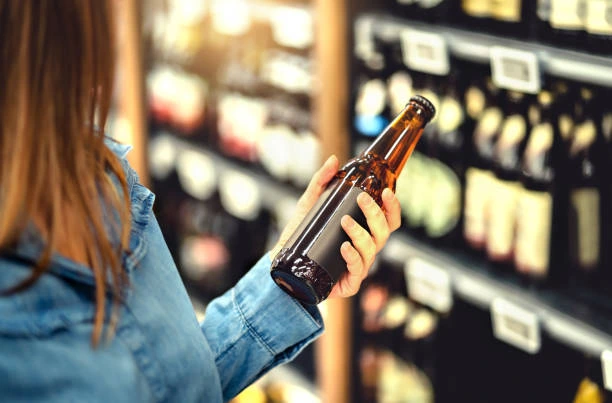
Can you drink alcohol on hCG injections? Alcohol is not chemically incompatible with hCG, but research shows it can interfere with the hormone’s intended effects on metabolism, progesterone, and reproductive signaling. At Trim Body M.D., clinical guidance typically recommends limiting or avoiding alcohol during hCG therapy to protect outcomes and reduce unnecessary hormonal disruption. Book a free consultation to discuss lifestyle considerations.
Key Takeaways:
- Alcohol does not deactivate hCG, but can weaken its effects
- Drinking alters progesterone and testosterone responses to hCG
- Alcohol may reduce fertility and implantation success
- Weight-loss results on hCG are often blunted by alcohol
- Clinical context and goals determine safe use
How hCG Works in the Body?
Human chorionic gonadotropin is a hormone that signals through luteinizing hormone receptors. Its function changes based on the situation, like aiding fertility, balancing hormones, or being part of doctor-led weight-loss treatments.
In reproductive health, hCG helps with ovulation, keeps the corpus luteum functioning, and boosts progesterone levels. When it comes to weight loss, hCG plays a role in controlling appetite and breaking down fat when combined with planned diets.
Alcohol causes different effects on metabolism and hormones. The liver focuses on processing alcohol instead of breaking down fat, and alcohol can disrupt how pituitary and gonadal hormones interact. Alcohol does not stop hCG from working, but may cause less steady or reliable results.
Does Alcohol Interfere With hCG Injections?
Alcohol does not block hCG from working or cancel out the medication. However, it messes with hormones and disrupts metabolism, which can interfere. Research highlights several key effects:
- Alcohol lowers the progesterone response that hCG triggers.
- It can increase estradiol and prolactin levels.
- Alcohol may reduce how well the testicles produce testosterone in response to hCG.
- The way the body processes insulin and fat changes when alcohol is in the system.
These issues are most significant during treatment periods when stable hormone activity is crucial.
People sticking to weight loss programs might notice slower results or stronger hunger signals when they drink alcohol, even in small amounts.
How Alcohol Interferes With hCG and Hormone Balance
Alcohol disrupts the endocrine system. Short-term drinking changes how the hypothalamus and pituitary gland communicate, which is key to the effects of hCG.
Research in PubMed shows that alcohol lowers the usual progesterone rise that happens after hCG stimulation. This is crucial to consider during fertility treatments and early pregnancy when steady progesterone levels are needed.
Other research finds that alcohol reduces how much testosterone men produce in response to hCG. At the same time, it raises estrogen and prolactin levels. This hormonal mix can go against the treatment’s goals.
Drinking Alcohol While on hCG Weight-Loss Plans
In weight-loss plans, alcohol can cause problems that go beyond just affecting hormones. The body processes alcohol calories first, which stops fat burning for a while. This interruption can disrupt the system that many hCG diets depend on.
Alcohol can also make people hungrier and less focused on keeping their diet in check. Paired with the hunger-reducing effects of hCG, this can send mixed signals, making it harder to stick with the program.
People looking into long-term effects often share that alcohol makes side effects like headaches, nausea, bloating, and poor sleep worse when they are on hCG.
Things to Know About Fertility Treatments
When hCG is used to support fertility, alcohol rules get stricter. Drinking small amounts might not stop conception, but heavier drinking often leads to worse results.
Clinical research highlights the following:
- Higher alcohol use leads to more cases of failed fertilization.
- IVF cycles show fewer successful implantations with alcohol in the system.
- Egg quality drops, and ovaries respond when alcohol is involved.
- Hormone balance in the luteal phase can become unstable.
Because of this many fertility experts suggest avoiding alcohol during ovarian stimulation, ovulation triggers, and the time when implantation happens.
Peer-reviewed research in reproductive endocrinology journals emphasizes that drinking alcohol during these stages adds risks that can be avoided.
What Research Shows About Alcohol and hCG Response
Studies reveal that drinking alcohol changes how hormones respond to gonadotropins, even if medication doses stay the same. Researchers have noticed these effects in both men’s and women’s reproductive systems.
Research reviewed in Springer’s endocrinology articles shows that alcohol weakens how the body responds to hCG. This is true in processes that rely on progesterone.
Studies agree that alcohol doesn’t pose an immediate danger when using hCG. However, it lowers the success of treatments and makes results less predictable.
When to Avoid Alcohol During hCG Therapy
Be extra mindful about drinking alcohol while on hCG if you fall into these categories:
- Undergoing active fertility treatments like IVF
- in pregnancy and using hormone support
- Following a structured plan to lose weight
- Have a history of hormone-sensitive health issues
- Often experience symptoms like headaches, nausea, or water retention
How Our Medical Team Ensures hCG care Is Both Safe And Effective
The team at Trim Body M.D. offers alcohol advice that is tailored to each person backed by science, and focused on achieving specific goals.Patients can gain:
- Expert advice centered on specific hormone needs
- Treatment plans aimed at achieving results
- Monitoring of side effects with adjustments as needed
- Simple integration with daily habits
- Ongoing medical support during therapy
Patients treated at an hCG clinic receive clear instructions that help them safeguard their progress and maintain overall health.
Simple Takeaway For Patients
Drinking alcohol doesn’t neutralize hCG injections, but it can reduce their hormonal and metabolic benefits a lot. To get steady results, patients find it best to cut back on or skip alcohol while undergoing hCG therapy. Schedule a free consultation today.
FAQs about Alcohol Use and hCG Injections
Can You Drink Alcohol While on hCG Injections?
Yes, but it’s not recommended. Alcohol can weaken hCG’s hormonal and metabolic effects, making results less predictable during treatment.
Does Alcohol Stop hCG From Working?
No. Alcohol doesn’t deactivate hCG, but it disrupts hormone signaling and fat metabolism, which can reduce treatment effectiveness.
Will Alcohol Affect Weight Loss on hCG?
Yes. Alcohol pauses fat burning, adds empty calories, and can increase appetite, often slowing or reversing weight-loss progress.
Is Alcohol Risky During hCG Fertility Treatment?
Yes. Alcohol can impair progesterone response and implantation potential, which is why many clinicians advise avoiding it entirely during fertility-focused cycles.
How Much Alcohol Is Too Much on hCG?
Even moderate drinking can interfere with results. Clinical guidance often recommends avoiding alcohol during active hCG therapy for the best outcomes.
Let our team know how we can help with your goals!

Get In Touch With Us
Schedule Your Free Consultation — Take Your First Step Today
 Henderson
Let our team of Medical Professionals help you achieve your body goals. Contact us Today!